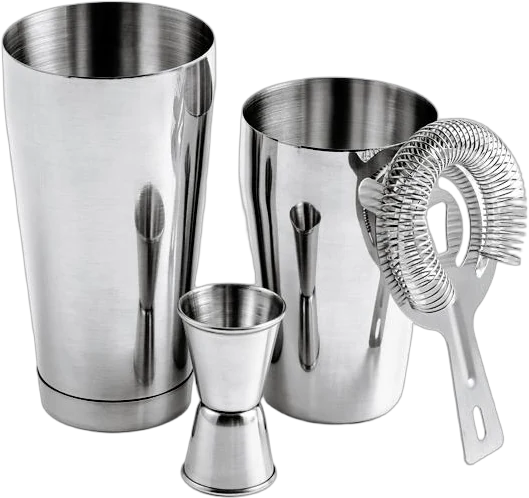
Holiday stock visibility: separate ready barware from custom orders
Source ·
Define what is actually available to sell, which component limits a set and who can publish a delivery promise.
The Manchen guide library
Explore mixing techniques, useful tools, materials and care, then put that knowledge to work in your bar or next product collection.
Recent reports and events, translated into practical menu, service and buying decisions.
Source ·
Define what is actually available to sell, which component limits a set and who can publish a delivery promise.
Source ·
Use IWSR's November market update to challenge a single global assortment, then let local barware evidence determine what to buy.
Source ·
Plan eligibility, allocation, customer instructions and repeat-use evaluation before ordering a durable promotional accessory.
Source ·
Define packaged and poured RTD service as explicit choices, with accurate product information, a complete presentation and a tested reset route.
Source ·
Translate holiday shopping intentions into an assortment worksheet that explains useful upgrades, promotional costs and reorder choices.
Source ·
World Class’s recent music-flight challenge suggests a practical format for an original tasting with three chapters and a clear preparation order.
Source ·
Turn a trade-show idea into three distinct tasting serves, with clear portions, preparation cards and an easy reset between rounds.
Source ·
Use BCB’s education framework to connect an idea, a guest conversation and a practical exercise in one manageable session.
Event ·
Connect small ingredient additions to the actual menu, measuring method and service conditions before selecting more tools.
Event ·
Seabird’s autumn music series pairs its menu with a mini Martini. Use the idea to plan preference-taking, preparation and the first handover.
Source ·
Distinguish a freshly built spritz from packaged or draught formats, then define the product, measured build and guest-facing presentation.
Source ·
Connect a soju-led menu idea to an accurate product explanation, a clear serving format and an approachable staff conversation.
Source ·
Bar Leone’s recent glassware collaboration offers a starting point for a small collection built around recognizable house serves.
Source ·
Separate demonstration units, reset equipment and sellable stock so an in-store activity explains a real product customers can buy.
Source ·
An October World Class US announcement narrowed its opening application to one drink. Use that focused brief to improve recipe communication.
Source ·
Treat accurate mobile selling information as part of a sourced product, with a clear link to the configuration being ordered.
Source ·
Turn the September announcement into a domestic warehouse worksheet with processing time, stock release and exception decisions.
Event ·
Use Negroni Week’s recent classic-and-variations format to plan a small tasting with clear labels and separate build sequences.
Source ·
Use the September release to clarify local acceptance, listing scope and evidence ownership for a hospitality barware order.
Source ·
Use a recent coffee-cocktail menu signal to test the connection between coffee preparation, measured mixing and the finished guest serve.
Source ·
Keep a familiar cocktail as the anchor, then compare a small number of defined flavor variations through a structured menu pilot.
Source ·
Treat the afternoon drink visit as its own service occasion, then test a compact menu and a clear handover between café and evening bar.
Event ·
The Honey Deuce’s 2026 US Open presentation connects a recognizable garnish with a memorable serving vessel. Apply that idea to your own event.
Source ·
Translate an intended guest experience into observable sample criteria before choosing decorative finishes, extra accessories or a larger branded collection.
Source ·
Turn a dessert flavor idea into a manageable drink with separate decisions for the base, topping, garnish and guest description.
Source ·
Use the August 2026 PPWR application as a reason to assign evidence, market and approval owners before commissioning another gift box.
Source ·
Build comparable full-strength, lower-alcohol and alcohol-free choices around flavor and service, with clear recipes that help guests select a drink for the occasion.
Source ·
Distinguish brewed tea, tea powder and packaged sparkling tea before developing the recipe, measuring brief and finished service.
Source ·
Tales’ 2026 menu award is a timely prompt to test a four-drink menu as a complete service sequence before buying more equipment.
Source ·
The 2026 Coffee in Good Spirits winner connected cold and warm drinks through one theme. Build your own pair with distinct service plans.
Understand aeration, texture and clarity, then choose tools that fit the recipe rather than a rigid ingredient rule.
Separate cooling, melting and serving time so that dilution becomes a repeatable choice instead of an accident.
Compare cubes, crushed ice and large serving pieces without assuming that size alone predicts melting.
Translate a nominal vessel size into a realistic recipe-and-ice trial before ordering for single or multiple serves.
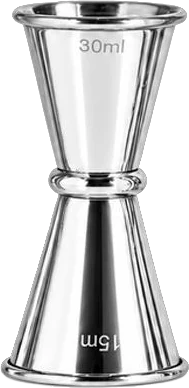
Avoid confusing volume with weight, US with Imperial ounces, and rounded recipe measures with exact conversions.
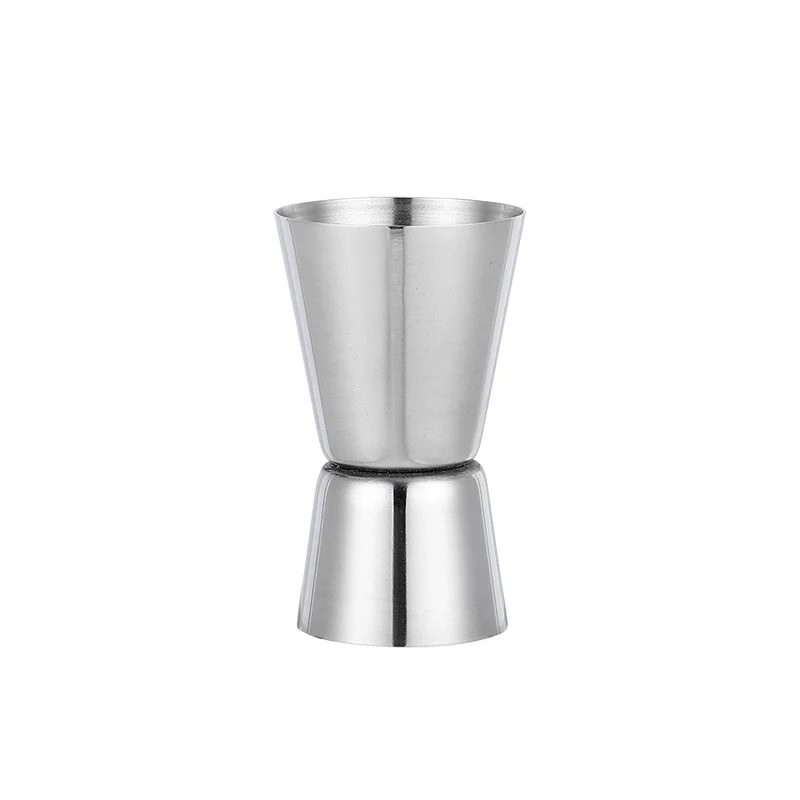
A repeatable fill, drain and handoff matters as much as the numbers engraved inside the cup.
Choose a texture target, manage pulp and ice fragments, and avoid treating fine straining as a rule for every drink.
Use controlled movement and a complete serving routine to preserve clarity without chasing a universal stir count.
Match the muddler head, vessel and ingredient so that extraction does not become uncontrolled crushing.
Build around measuring, texture, fresh ingredients and carbonation, with the same care given to any other drinks menu.
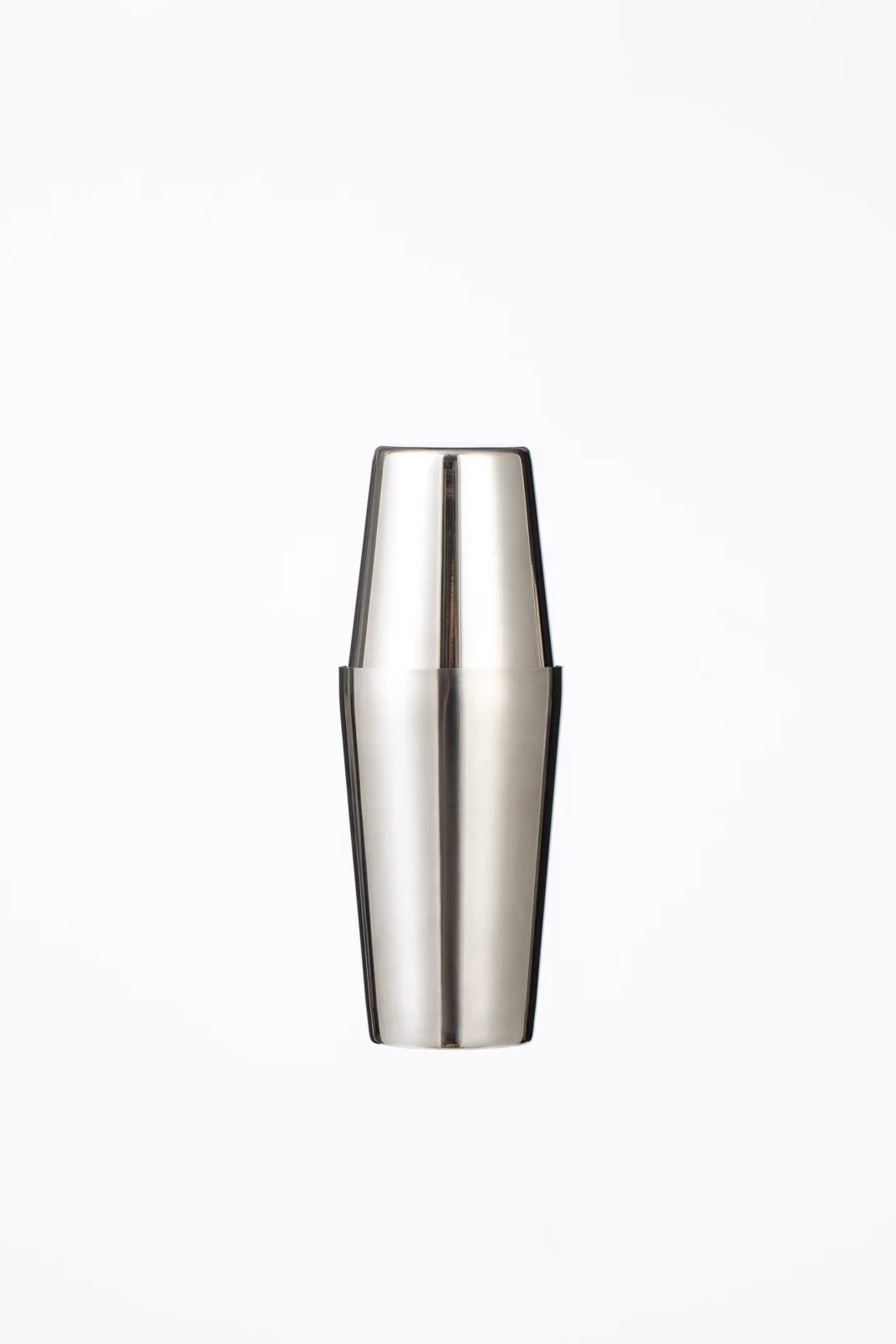
Compare balance, construction and handling without treating a heavier base as a universal professional upgrade.
Distinguish cold fit, sticky residue, damage and mismatched parts before applying more force.
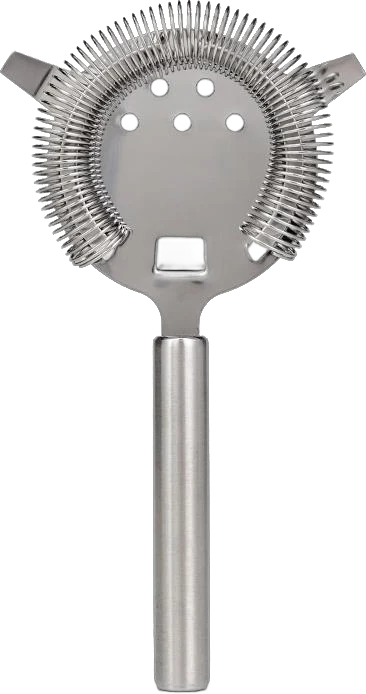
Compare the vessel fit, particle size and handling demands of three complementary strainer formats.
Choose usable reach, head clearance and a comfortable grip before comparing decorative handle details.
Tall, wide, rolled-rim and stepped designs change visibility and handling; test them against the same menu measures.
A pourer controls the delivery path, but a free-flow spout is not automatically a calibrated measuring device.
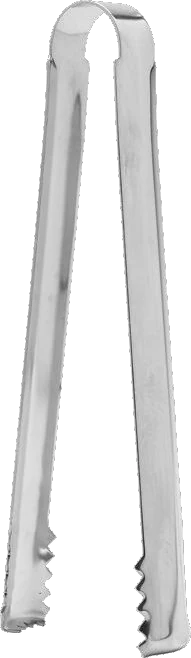
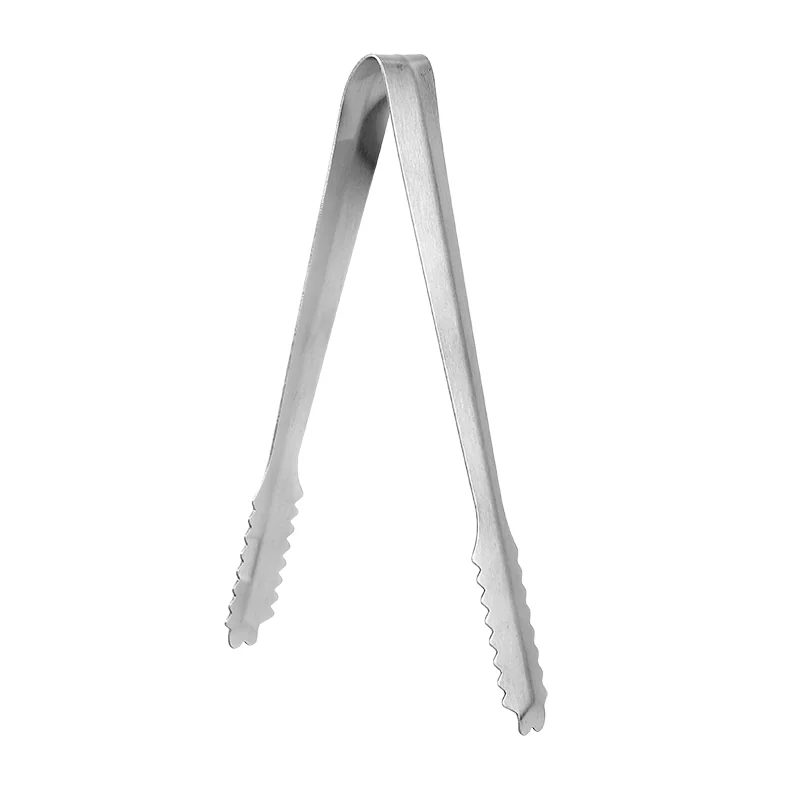
Compare single-piece placement, bulk transfer, grip and protected storage instead of treating the two tools as interchangeable.
Choose for the closure and working motion first, then review leverage, edges, durability checks and branding space.
Compare length, tip, ornament and cleaning access while keeping decorative accessories separate from environmental claims.
Transparency, weight, handling, thermal behaviour and breakage create trade-offs; no material wins every workflow.
Compare chromium, nickel and manganese, understand the protective passive film, and connect alloy differences to forming, cleaning and purchasing decisions.
Distinguish surface deposits, transferred iron and possible corrosion before choosing a cleaning action or deciding whether a tool should stay in service.
Compare appearance, visible wear and cleaning requirements without confusing a surface finish with the steel grade or proof of hygiene.
A gold, black or rainbow appearance does not identify the coating method. Review contact surfaces, marking, wear and care for the selected configuration.
Understand why stainless steel alone is not enough to answer the question, especially for coloured tools, assembled parts and retail care labels.
A practical sequence for removing residues, reaching small parts and checking the finished tool, with care advice separated from foodservice sanitizing requirements.
Follow the tool from washing rack to drawer or display stand, and identify where wet nesting, contact and splash can undermine the routine.
Make rim inspection, stable handling and cleaning access part of the stirred-drink station, and avoid treating every glass vessel as interchangeable.
Separate a display stand from food-contact tools, then plan moisture control, cleaning access and protective packing around the confirmed material.
Organize the dirty-to-clean route, small parts and drying capacity around the menu, rather than expecting a single rinse jug to solve every task.
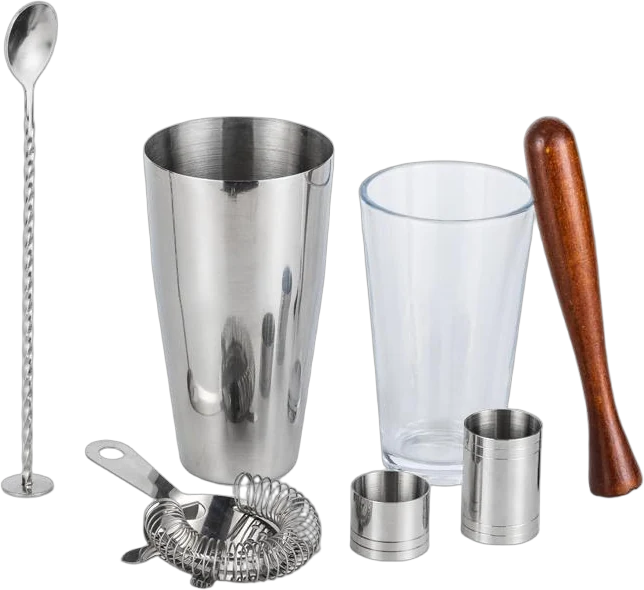
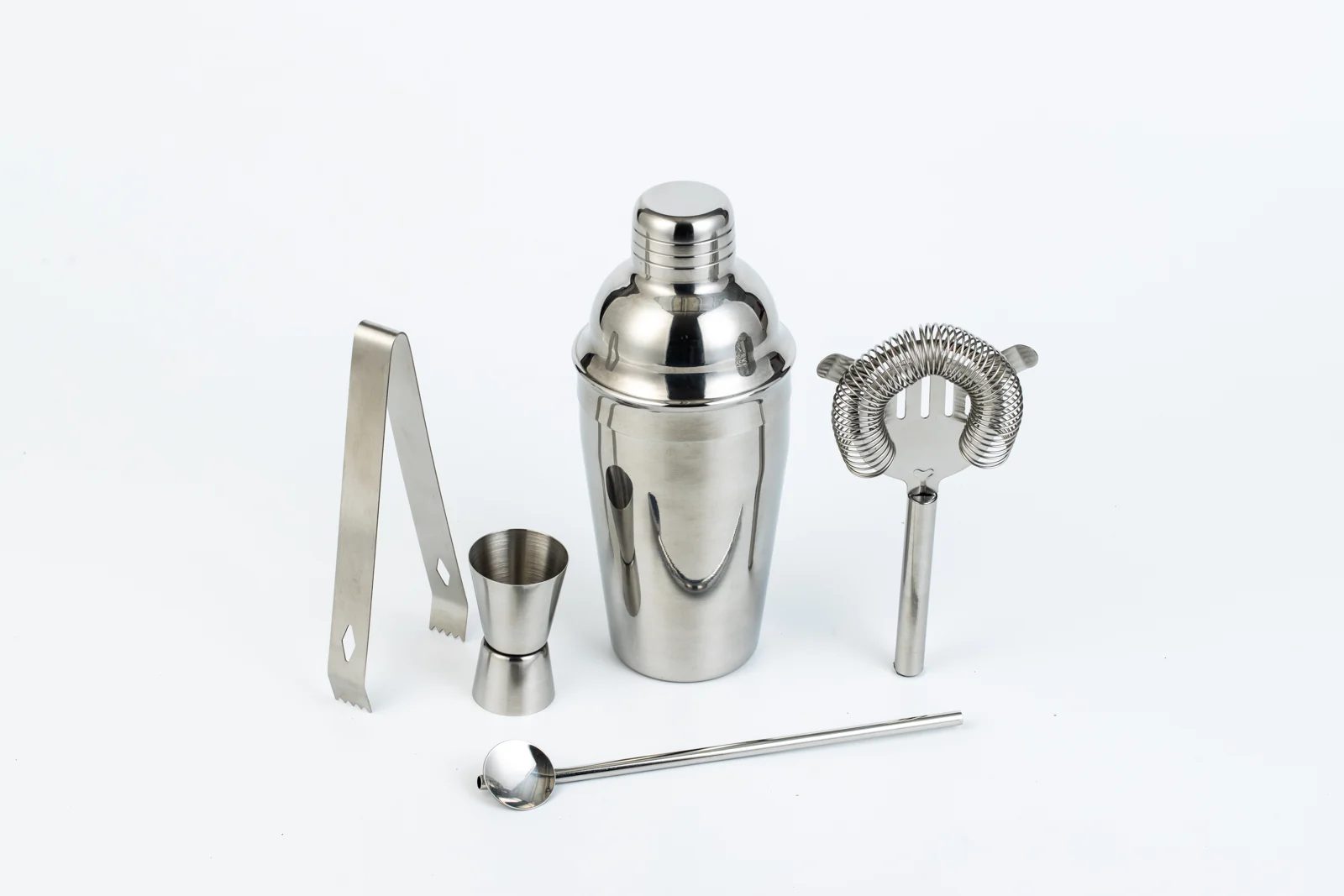
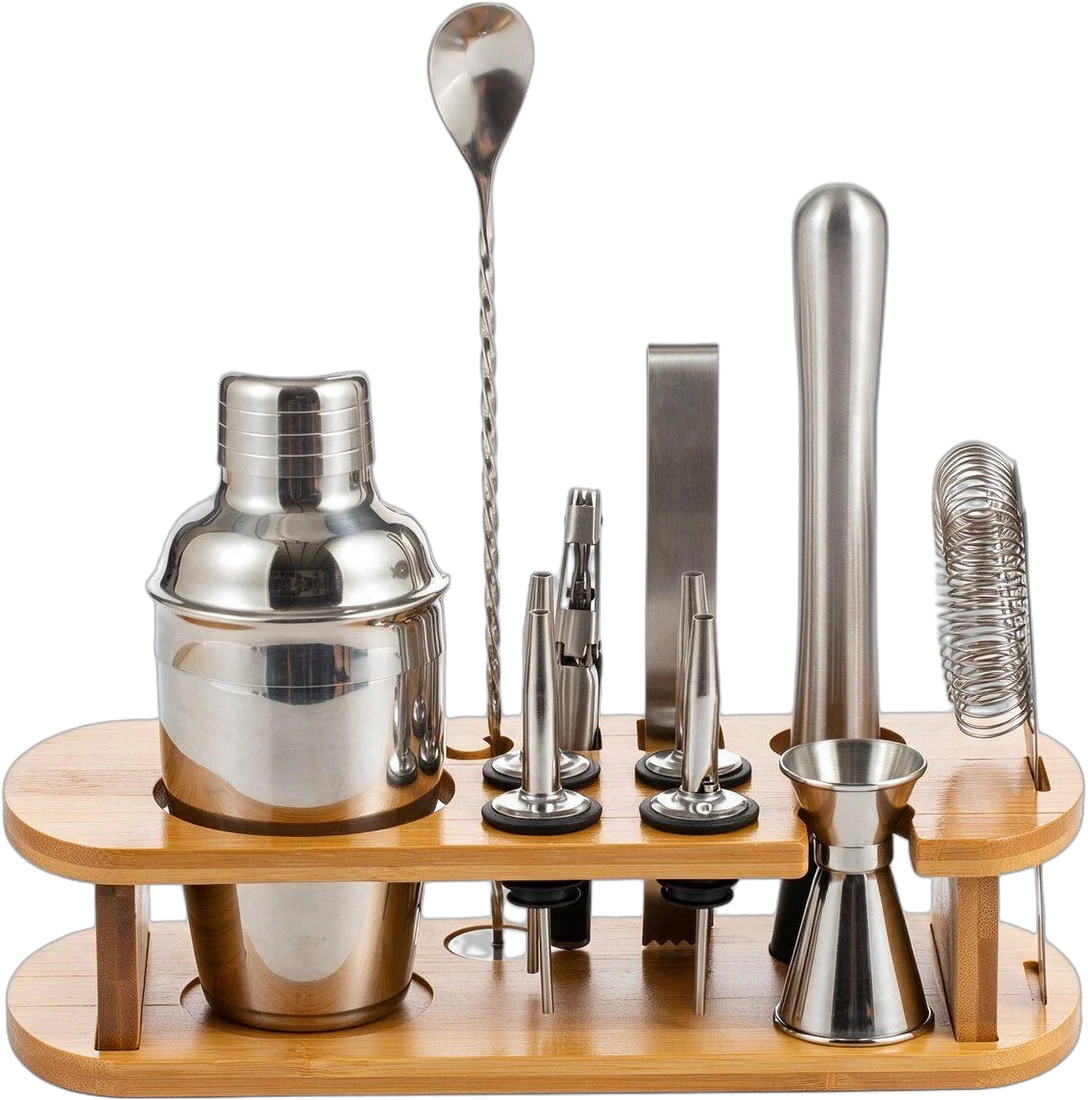
Build a compact kit that can measure, mix and strain the drinks you actually make, then add accessories when a recipe needs them.
Estimate tool demand from simultaneous work, cleaning turnaround and replacement risk instead of applying an arbitrary tools-per-seat rule.
Build a portable station around transport protection, realistic washing arrangements and a menu that fits the event environment.
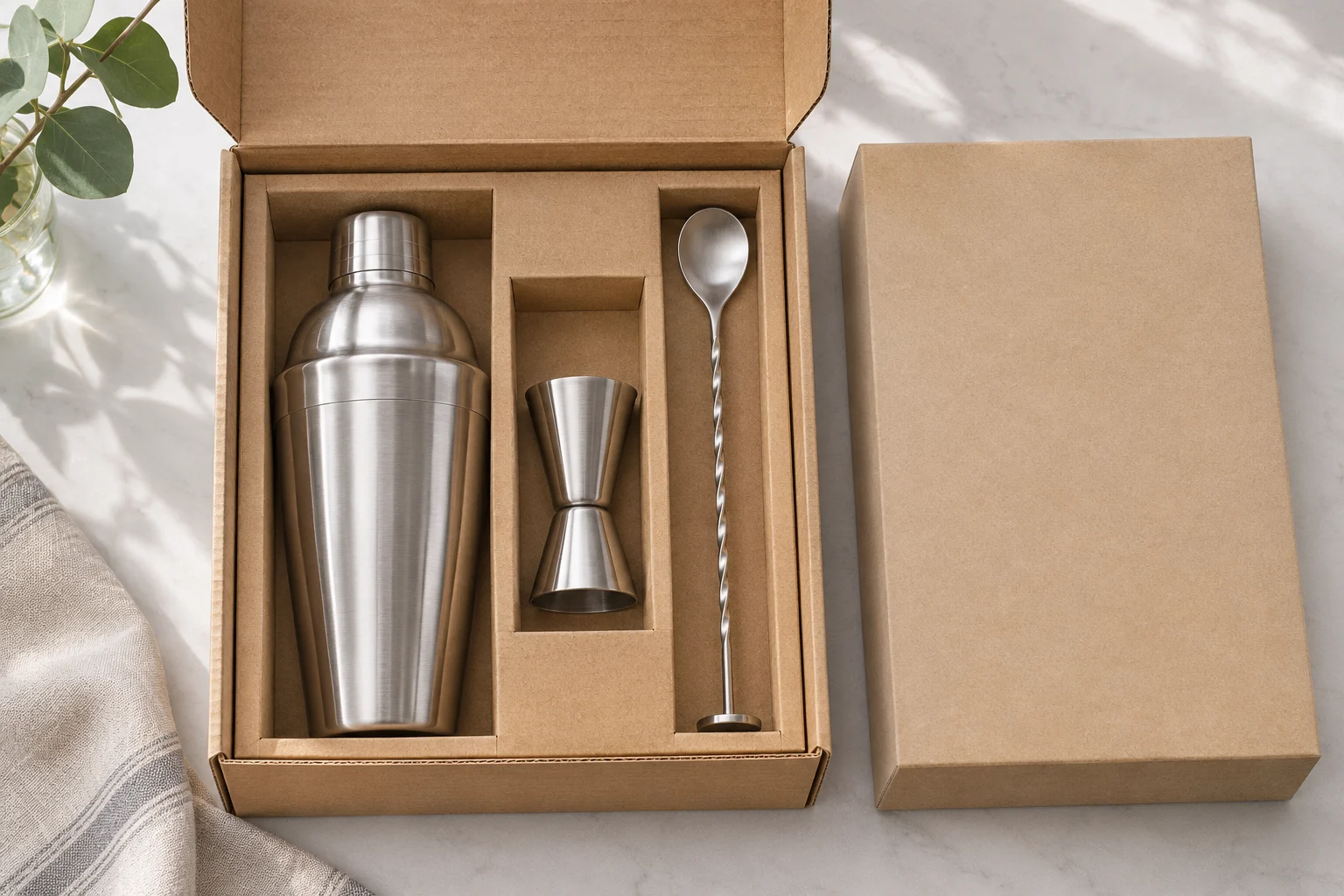
Balance recipient skill, useful tools, clear instructions and unpacking experience instead of maximizing the number printed on the box.
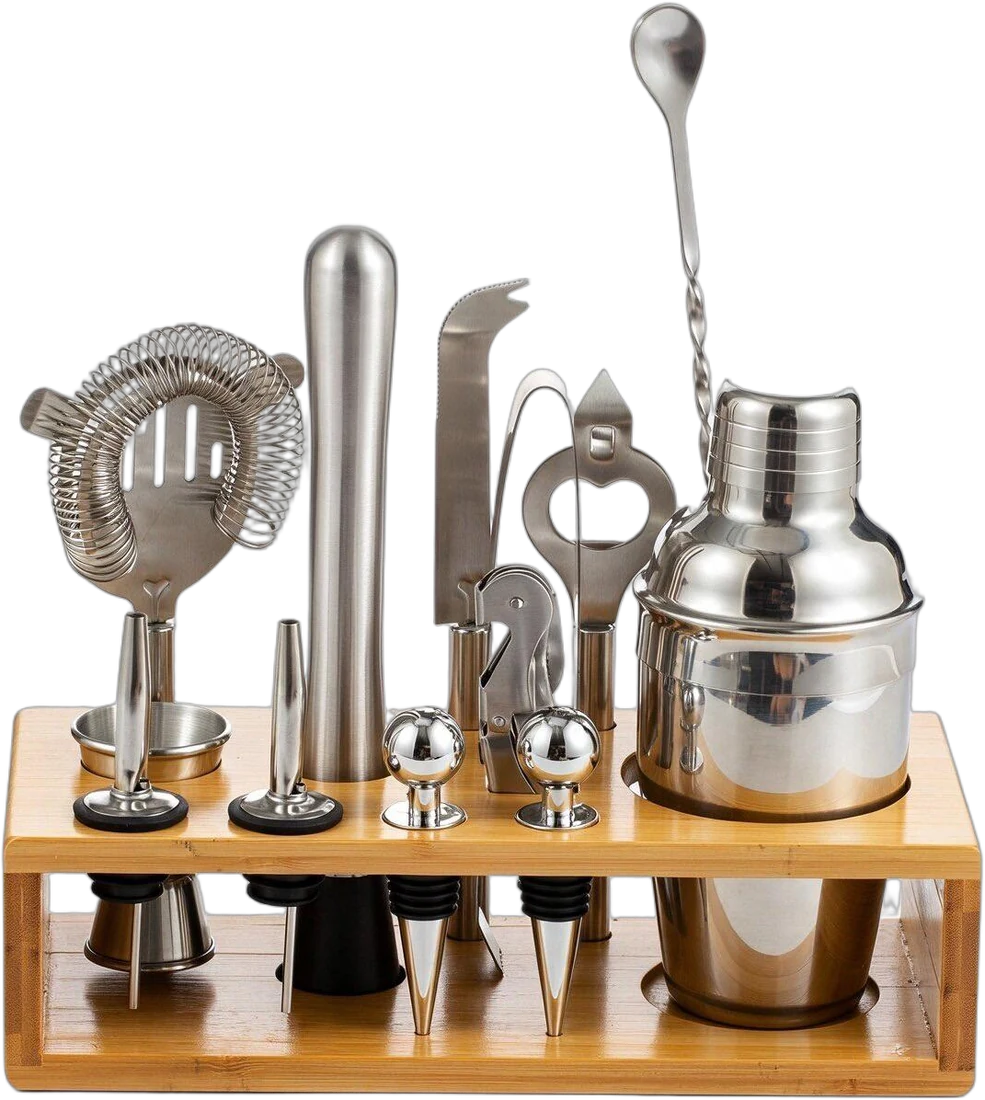
Compare a stand with the final tools installed, including handle clearance, stability and the difference between display and drying.
Arrange measuring, mixing, serving and used-tool return around the actual menu, with clean and dirty paths considered from the start.
Look for fewer searches, awkward handoffs and mismatched parts, then verify improvements with a realistic service trial.
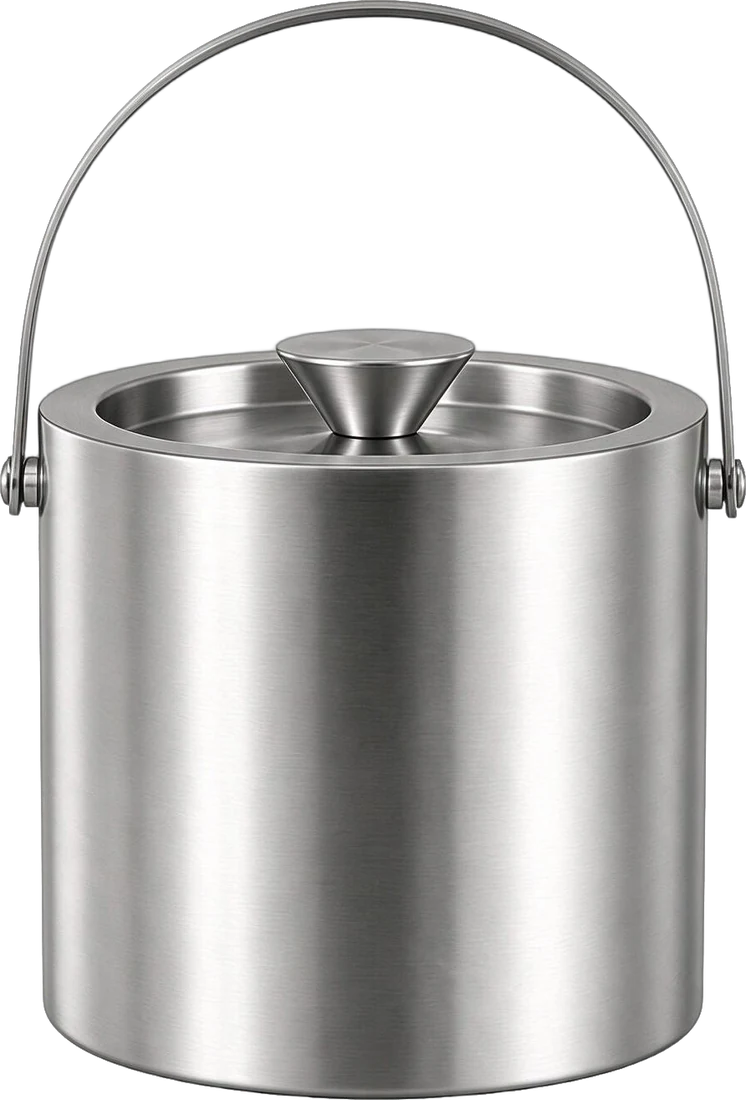
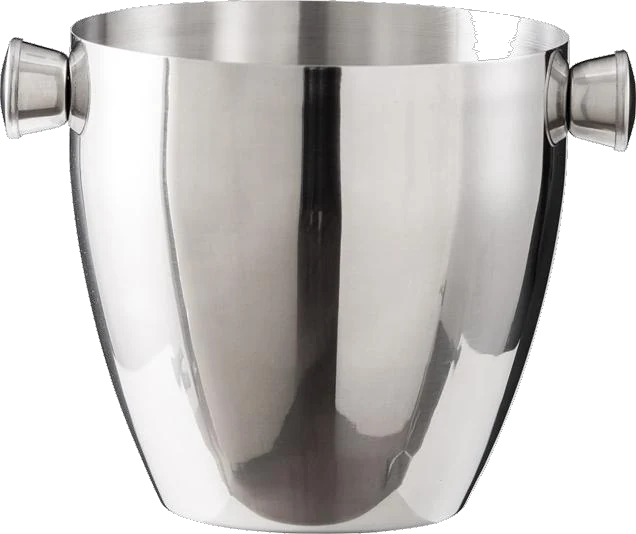
Compare usable internal dimensions, bottle fit, access and refill frequency while keeping edible service ice separate from bottle-chilling ice.
Distinguish single walls, double walls and verified thermal performance before making a dry-exterior or ice-retention promise.
Make the purpose of each bucket and handling tool obvious so externally used cooling ice does not return to the drinks supply.
Build a buying brief around the tools, customer and packaging—not just the number of pieces.
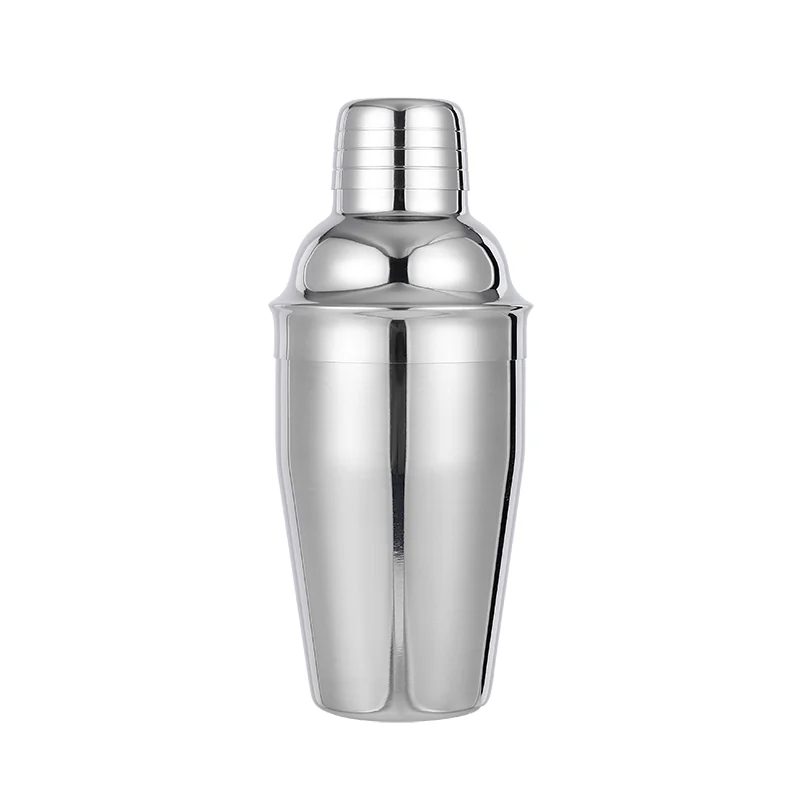
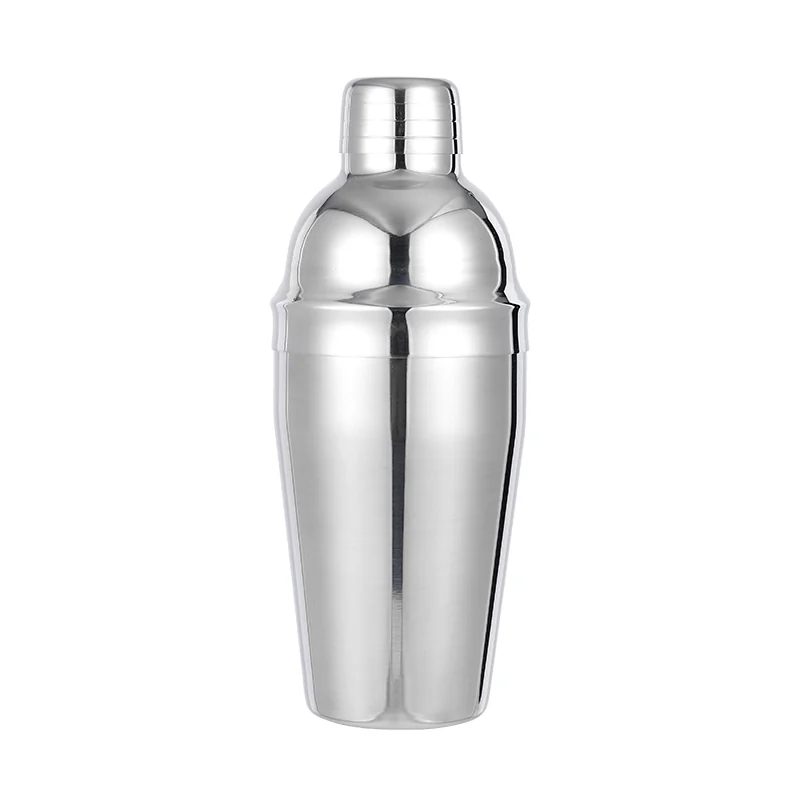
Compare the vessel format, straining workflow, capacity options and sample checks before choosing a shaker for your range.
Use a written sample review to align tools, branding, finish and packing before a production order.
Keep material, capacity, dimensions and packing definitions clear when comparing manufacturer quotations.
Turn a product idea into linked component, artwork and packaging records, with a clear place for unresolved decisions.
Separate engraving, surface marking and printed decoration, then approve artwork on the real material and finish.
Turn nominal dimensions into a shared inspection plan for shaker joints, strainer fit, stand openings and packaging.
Link the physical reference to drawings, finishes and packaging, then control changes after approval.
Translate sealing, measuring, straining and standing into clear sample and lot-inspection procedures.
Design the complete packed product for its distribution route, including polished surfaces, loose accessories and the retail presentation.
Use external packed dimensions and confirmed carton counts, and keep volume separate from chargeable weight and total landed cost.
Normalize the sellable configuration, decoration, packing and delivery basis before deciding which proposal offers better value.
Review material, coating, intended use and traceability instead of treating a steel grade or a familiar logo as universal approval.
Create useful instructions for mixed-material kits without promising universal dishwasher safety or maintenance-free use.
Made to work with you
Share your product selection, quantity and target market. We will work through the details with you.