Materials & care
Design a bar-tool cleaning station that staff can actually use
Organize the dirty-to-clean route, small parts and drying capacity around the menu, rather than expecting a single rinse jug to solve every task.
Manchen editorial team · Updated
The short answer
A useful cleaning station separates soiled tools from clean ones and gives staff a complete route through the required washing, rinsing, sanitizing, drying and storage stages. Size it for peak tool use, protect ready utensils from splash and follow local hygiene requirements. A water rinse between drinks is not a universal substitute for that process.
Start with the menu’s actual cleaning load
Count the tools used for representative orders and note residues that create extra work: syrup in jiggers, pulp in strainers and herbs around muddler heads. Estimate how many tools return for cleaning during the busiest realistic interval, not just how many fit neatly on display. Keep enough spare working tools to avoid pressure to reuse a dirty item. The goal is to support the required process without interrupting service, rather than inventing an unsupported number of minutes that every utensil may remain in use.
Make the dirty-to-clean route obvious
Arrange the sequence so that soiled items and waste do not pass over ready-to-use tools. Label or otherwise distinguish receiving, washing and protected drying locations. Store clean scoops, tongs and strainers where staff can take them by their handles without reaching across contamination. Check sink splash, overhead storage and the condition of racks. If space is tight, simplify the menu or adjust equipment and staffing; a compact counter does not remove the need to keep the clean side protected.
Write one procedure with product-specific exceptions
Define the approved chemicals or machine route, staff responsibilities and verification checks using local requirements and equipment instructions. FDA’s Food Code is a model resource, not a replacement for that local review. Mark tools that need a different care route, such as a coated component or a wooden stand. Keep small removable parts identifiable through the process. BSSA’s guidance on chemical compatibility also matters: leaving stainless tools in an improvised, concentrated soak is not a sound alternative to following the labelled procedure.
Check the station at handover, not only at opening
Walk through one complete cycle with the team during a realistic service period. Look for blocked drying space, missing caps, reused cloths and clean tools returned to dirty holders. Confirm that staff know what to do with a damaged utensil or an ingredient cross-contact concern. Record recurring bottlenecks and adjust the layout or spare-tool quantity. A short closing check should leave the next shift with clean storage, identifiable components and a clear report of anything taken out of use for assessment.
Put it into practice
- Count peak returning tools and residue-heavy recipes.
- Protect clean and drying areas from dirty traffic and splash.
- Train staff on the complete approved route and exceptions.
Questions worth asking
Does a rinse jug make every tool ready for the next drink?
Not automatically. Residues and cross-contact risks vary, and the required cleaning and sanitizing process depends on the setting. Follow the establishment’s approved procedure instead of using the appearance of rinse water as the decision rule.
Examples from the Manchen catalog
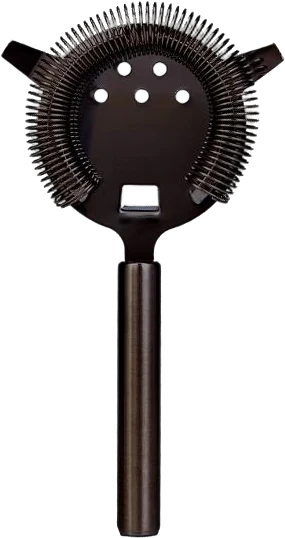
When assembling a Manchen working kit, select spare jiggers, shaker parts and strainers around the cleaning cycle as well as the drink menu. Confirm which replacements and components are available for the chosen references. A practical kit supports the clean-to-service loop; the largest advertised piece count may not do that best.
Explore the relevant collections
Discuss your product brief ↗References & further reading
These references explain general techniques and requirements. They do not establish certification or tested performance for a Manchen product.
