Private label & sourcing
Functional quality checks for barware: test the job, not only the shine
Translate sealing, measuring, straining and standing into clear sample and lot-inspection procedures.
Manchen editorial team · Updated
The short answer
Functional inspection asks whether the selected configuration performs its intended task under an agreed procedure. Check assemblies, edges, stability and operation alongside appearance. Define conditions and acceptance criteria before inspection; an unspecified “passed quality check” tells a buyer very little about what was actually evaluated.
Build the checklist around user actions
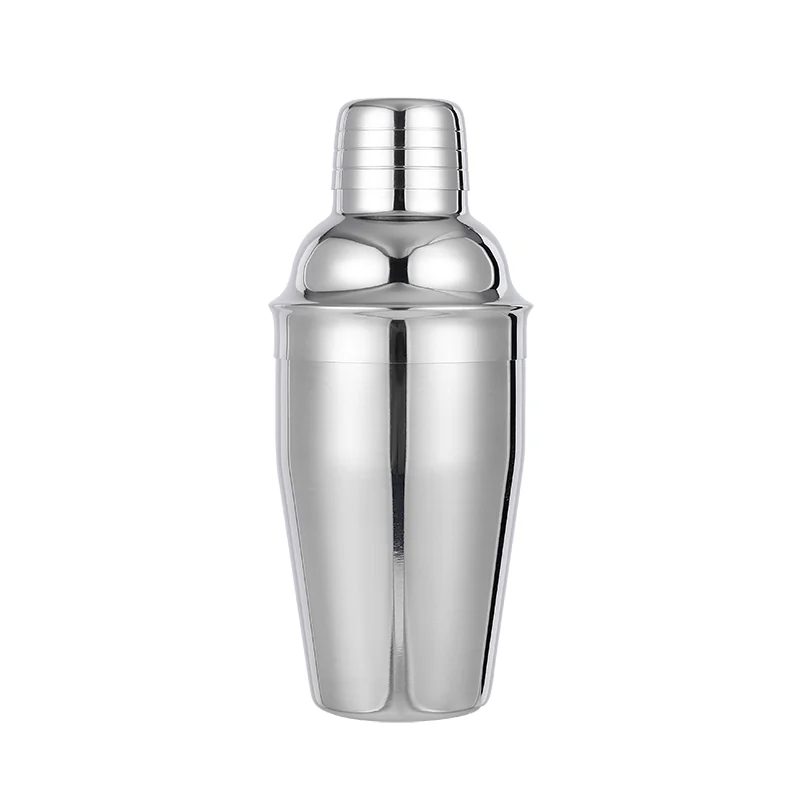
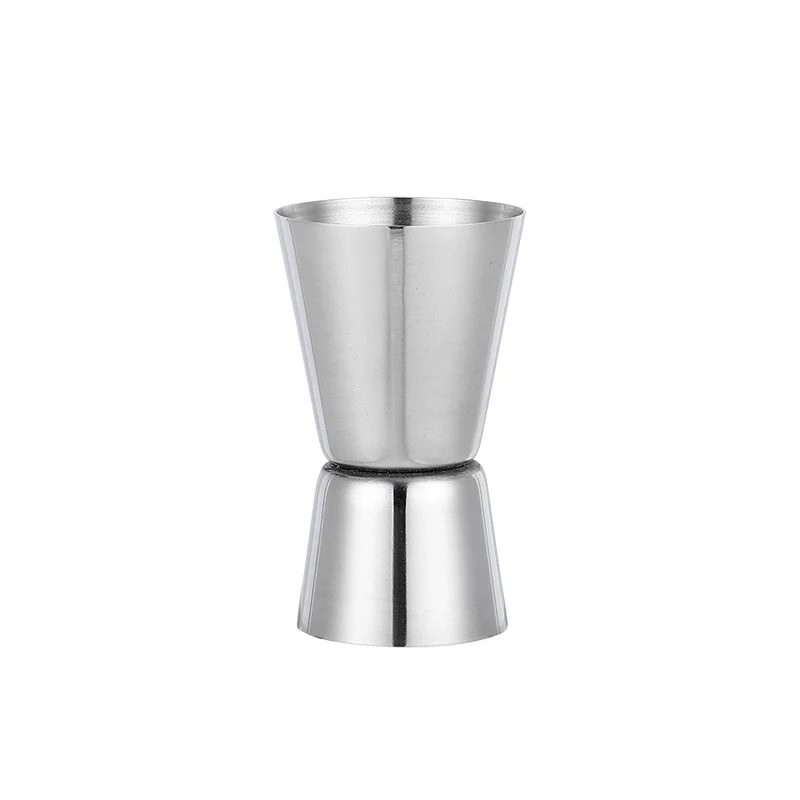
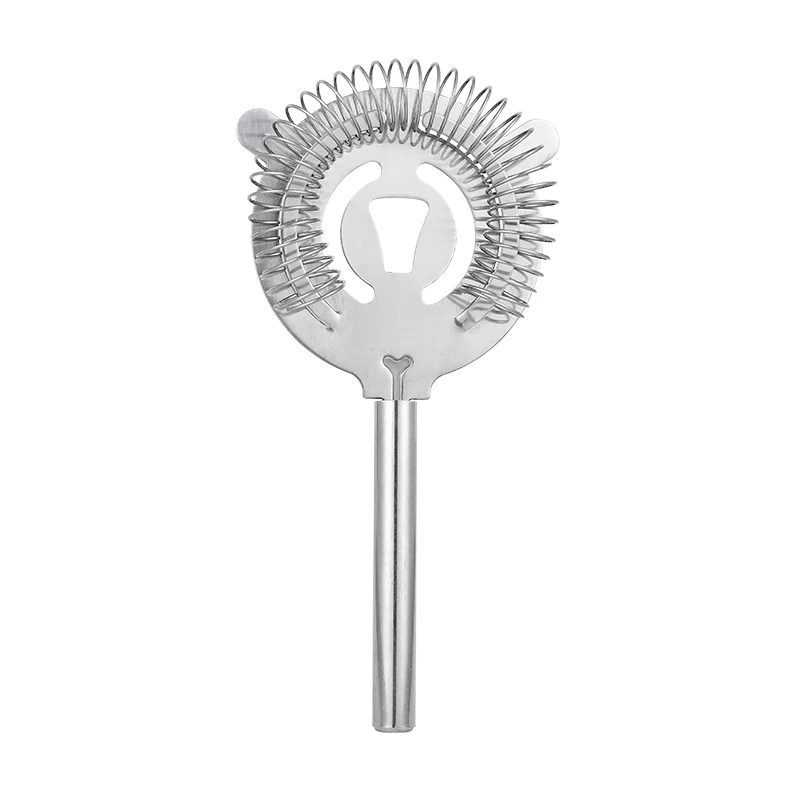
Group checks by the action a user performs. A shaker is assembled, filled, handled, opened and poured; a jigger is filled to a reference and drained; a strainer rests on a vessel while retaining the intended solids. This reveals failures that a polished front photograph cannot show. Use representative paired components rather than testing each part in isolation. For an ice bucket, include the selected lid, handle and accessories in the same review.
State the method before defining pass or fail
Record the test liquid, quantity, assembly method, observation duration and any other condition needed to repeat a check. These values should suit the intended product; do not copy a random online leak test into every purchase order. Capacity inspection needs its own filling reference and measurement method. Appearance inspection needs agreed lighting and visible surfaces. Different tests answer different questions, so a water-handling trial should not be described as a food-contact compliance test.
Classify defects and decide the sampling plan
Discuss which findings affect safety, function or appearance and how they will be recorded and resolved. An unsafe edge needs a different response from a small cosmetic variation. If acceptance sampling is used, agree the standard, current edition, inspection settings and responsible party. ISO 2859-1:2026 provides an AQL-indexed framework for inspection by attributes, but the public overview is not a substitute for the full sampling scheme. AQL inspection does not guarantee every item is defect-free.
Close the loop on findings
A useful report links each result to a product reference, lot, checklist item and photograph or measurement. Record corrective action and whether a repeat check was required. Keep rejected and accepted items distinguishable, and clarify who can authorize a concession. If a component or finish changes, review whether the old evidence still applies. The purpose is a traceable decision that supports the buyer’s intended use, not merely a reassuring stack of inspection pictures.
Put it into practice
- Check complete tool-and-vessel combinations.
- Agree repeatable conditions and acceptance criteria.
- Link findings, corrections and rechecks to the lot.
Questions worth asking
Does an AQL check mean that every item was tested?
No. Acceptance sampling uses a defined sample and decision rules. It is different from full inspection, and neither should be claimed unless the corresponding procedure was actually performed.
Examples from the Manchen catalog
Choose Manchen product examples to define the tasks your order must support, then discuss a configuration-specific inspection list. A shaker pair, measuring tool and strainer each need different checks. Request evidence tied to the selected items rather than relying on a general statement about factory quality.
Explore the relevant collections
Discuss your product brief ↗References & further reading
These references explain general techniques and requirements. They do not establish certification or tested performance for a Manchen product.
