Recent industry trends
Regional drinks divergence: build a country-and-channel barware assortment
Use IWSR's November market update to challenge a single global assortment, then let local barware evidence determine what to buy.
Manchen editorial team · Updated

The short answer
Create a country, channel and configuration matrix before allocating wholesale stock. Treat beverage-market data as context, not a forecast of barware demand. Record the local customer task, current sell-through, stock constraints and reorder rule for each row, then review shared components separately from market-specific presentation.
Read the regional signal without changing its meaning
IWSR's November 10 release reports that beverage-alcohol volume fell 1% across its 21 covered markets in the first half of 2026, while excluding the United States and China produces a 1% increase. This is evidence of divergence within its coverage. It is not a statement that every other country grew, or that barware purchases follow the same percentages.
The buyer's practical response is to question a single global allocation rule. Use the report to open a discussion with local commercial teams, then bring in their actual assortment and customer evidence. A broad consumption total cannot tell you whether a specific retailer needs a compact gift set or a hospitality distributor needs replacement tools.
Make one row per country and channel
Build a matrix with country, channel, buyer occasion, configuration reference, recent sales evidence and open questions. Separate hospitality replacement purchasing from seasonal retail gifting even within the same country. They can share tools but differ in presentation, order cadence and the importance of matching an existing range. Keep those differences explicit before discussing quantities.
In a hypothetical distributor review, a hotel account and an online gift retailer would occupy separate rows. One might prioritize continuity of a tool reference, while the other needs a finished sellable presentation. These are illustrative requirements, not findings about named countries. Ask each commercial owner to validate the row rather than filling gaps from a global headline.
Translate the local task into a configuration
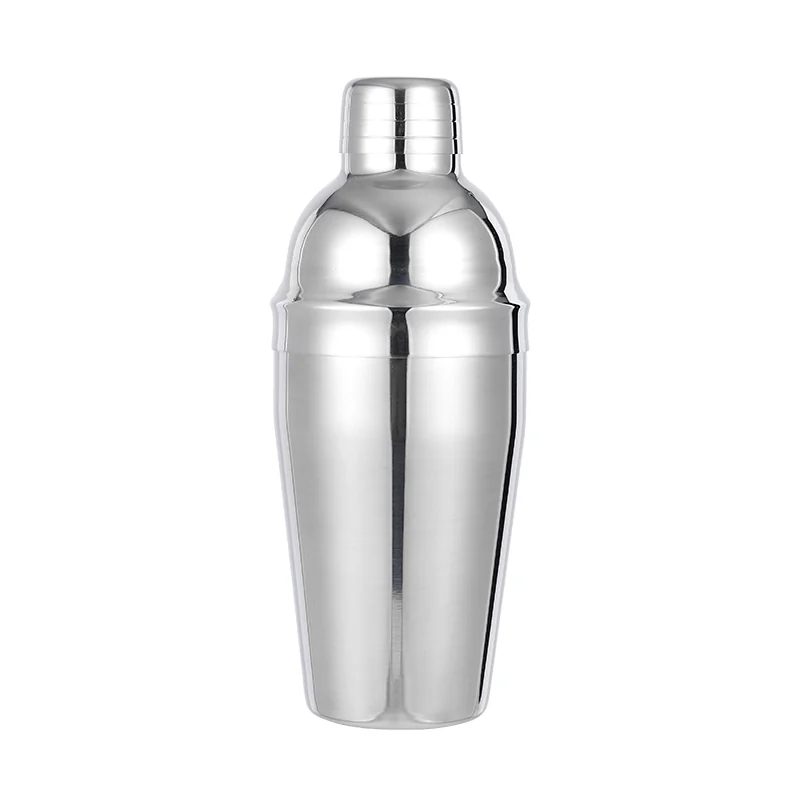
Ask what the customer must accomplish and which existing products the new item must fit. Record the relevant measuring units, intended workflow, included accessories and presentation needs. This prevents market names from becoming substitutes for specifications. A country label alone does not establish a shaker format, preferred finish or acceptable tool combination.
For a hypothetical cross-market range, keep a common tool configuration only where the customer tasks align. Record separate packaging or information versions where needed. Compare the operational value of sharing components with the cost of managing variants, and ask whether a proposed difference solves a documented buying problem.
Give every row its own reorder rule
Use channel sell-through, available finished inventory and confirmed replenishment conditions to define the next action. Record whether the decision is reorder, hold, reallocate or investigate. Avoid using a positive beverage-market total as an automatic authorization to expand a barware order. The evidence needed for a tool purchase is closer to the actual channel and configuration.
DHL's November U.S. e-commerce release highlights inventory visibility as a separate commercial issue. Apply that operational lesson to the matrix: distinguish finished availability from inbound or proposed goods. A regional assortment review becomes more useful when commercial opportunity and supply status can be read together without being confused.
Review differences before consolidating orders
When several rows appear to need the same product, compare their configuration references and unresolved requirements before combining quantities. A common family name can conceal different inclusions or presentation. Keep the shared requirement explicit, then preserve each market's allocation and decision owner in the consolidated record. Consolidation should simplify execution without erasing the reasons behind the order.
At the next review, compare the expected customer task with actual sales questions, returns and reorder behaviour. Remove unsupported assumptions and retain distinctions that proved useful. This builds a wholesale assortment through local evidence while still allowing the buyer to benefit from a coherent common range.
Put it into practice
- Separate country and channel decisions.
- Record the customer task before the quantity.
- Keep beverage data separate from tool demand.
- Consolidate only matching configurations.
Questions worth asking
Does growth outside the U.S. and China mean every other market grew?
No. The statement concerns an aggregate within IWSR's covered markets. Use country-level evidence for local discussions, and never convert the aggregate directly into barware order growth.
Can one global set still serve several markets?
Yes, where the documented tasks and requirements align. Keep market-specific information or presentation visible, and verify that the consolidated order still matches each channel's approved configuration.
Examples from the Manchen catalog
For a Manchen wholesale inquiry, attach a country-and-channel matrix with catalogue references, intended uses and proposed allocations. Ask which configurations can be discussed together and which require separate confirmation, rather than treating a regional market headline as a product specification.

Explore the relevant collections
Discuss your product brief ↗References & further reading
References for the reported developments and supporting techniques. Trial plans and buying worksheets are original editorial suggestions.
