Materials & care
Coloured barware finishes: what to confirm beyond the colour
A gold, black or rainbow appearance does not identify the coating method. Review contact surfaces, marking, wear and care for the selected configuration.
Manchen editorial team · Updated
The short answer
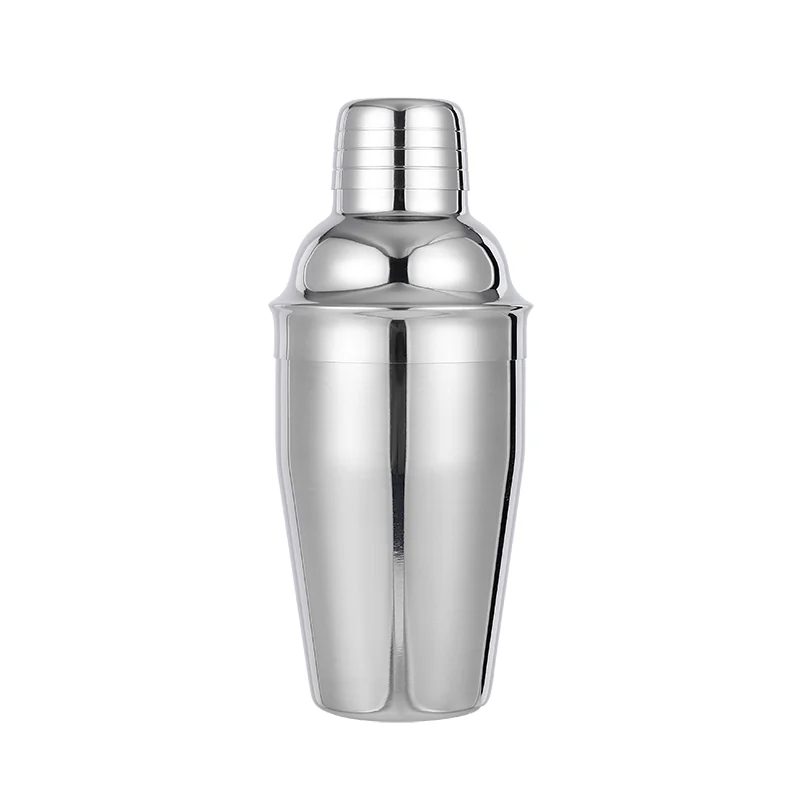
Choose coloured barware by the documented finish system and intended use, not colour alone. Confirm which surfaces are treated, how logos are applied, what cleaning is permitted and which food-contact evidence is relevant. A catalogue image cannot establish PVD, electroplating, paint, durability or suitability for a particular drink.
Ask what the colour actually represents
Similar-looking surfaces can be produced through different processes. Ask the supplier to describe the selected treatment, the substrate and the components covered by it. Separate decorative exterior areas from the interior, measuring surfaces and mating rims. A black cap beside a black body may have a different construction or care requirement. Avoid choosing technical process names from appearance alone, and keep the confirmed finish description beside the product reference so that later orders do not rely on a vague colour label.
Review contact areas and the actual cleaning route
A finish on a food-contact surface needs a different evidence discussion from a purely decorative outer area. European and US food-contact frameworks assess materials or substances within relevant conditions of use; a generic metal report does not automatically cover a new coating system. Describe the drinks, service temperatures and cleaning routine, and ask what documentation applies to the complete item. Where a treatment is exterior-only, confirm that boundary on a drawing or sample rather than assuming it from the main photograph.
Examine the places most likely to rub
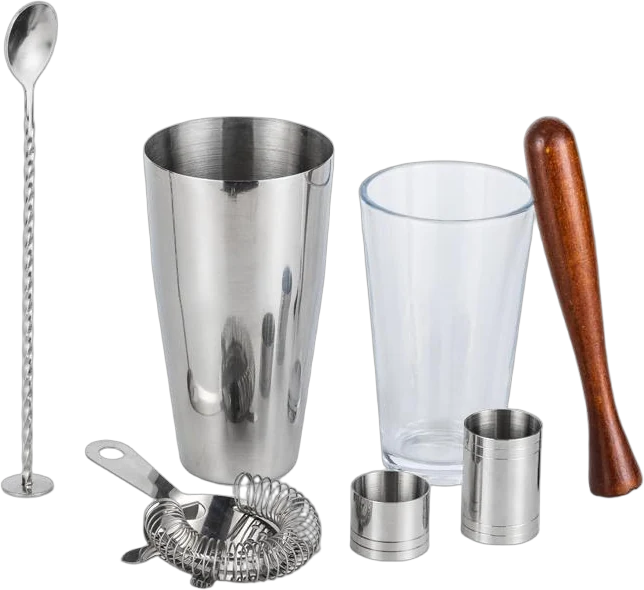
A shaker rim, jigger waist, spoon edge and stand opening experience different handling. Check these points on the sample and review what happens when the kit is assembled, nested and packed. The aim is to identify contact and agree an evaluation, not to invent a universal scratch test. If a buyer requires abrasion or dishwasher performance, define the procedure and acceptance criteria with the supplier before testing. A single demonstration video cannot support an unlimited durability promise for every finish and user.
Approve colour and branding as one system
Compare the finished logo on the chosen surface, including its position, contrast and any variation near curves or joints. Review a complete set under consistent lighting and keep an agreed reference. Ask whether care instructions must differ from the plain-metal version, particularly around soaking, abrasives and machine washing. For retail copy, describe the appearance precisely and use only supported performance claims. A clear care insert is more useful to a customer than calling a finish permanently scratchproof.
Put it into practice
- Record the process and surfaces covered by the finish.
- Review contact-area evidence and permitted cleaning.
- Approve the finished logo and packing contact points.
Questions worth asking
Can I call every gold-coloured tool PVD?
No. Colour does not identify the manufacturing process. Use the supplier’s confirmed technical description for the exact configuration and avoid adding a process claim based only on a photograph.
Examples from the Manchen catalog
Manchen images can help buyers discuss a coordinated colour direction across shakers, jiggers and accessories. Treat that as a visual brief first, then confirm the finish method, available components, care instructions and relevant evidence. The chosen combination must be confirmed before it becomes a branded retail claim.

Explore the relevant collections
Discuss your product brief ↗References & further reading
These references explain general techniques and requirements. They do not establish certification or tested performance for a Manchen product.
