Barware purchasing
How to choose a cocktail set for your collection
Build a buying brief around the tools, customer and packaging—not just the number of pieces.
Manchen editorial team · Updated
Start with the customer and the task
A gift set, a home-bar starter kit and tools for a hospitality team can need different combinations. Describe the intended customer, sales channel and drinks workflow before selecting photographs. A short brief should identify whether the buyer needs to shake, stir, measure, strain, open bottles or present the tools on a counter. This gives the manufacturer a practical basis for comparing configurations.
Make a component list
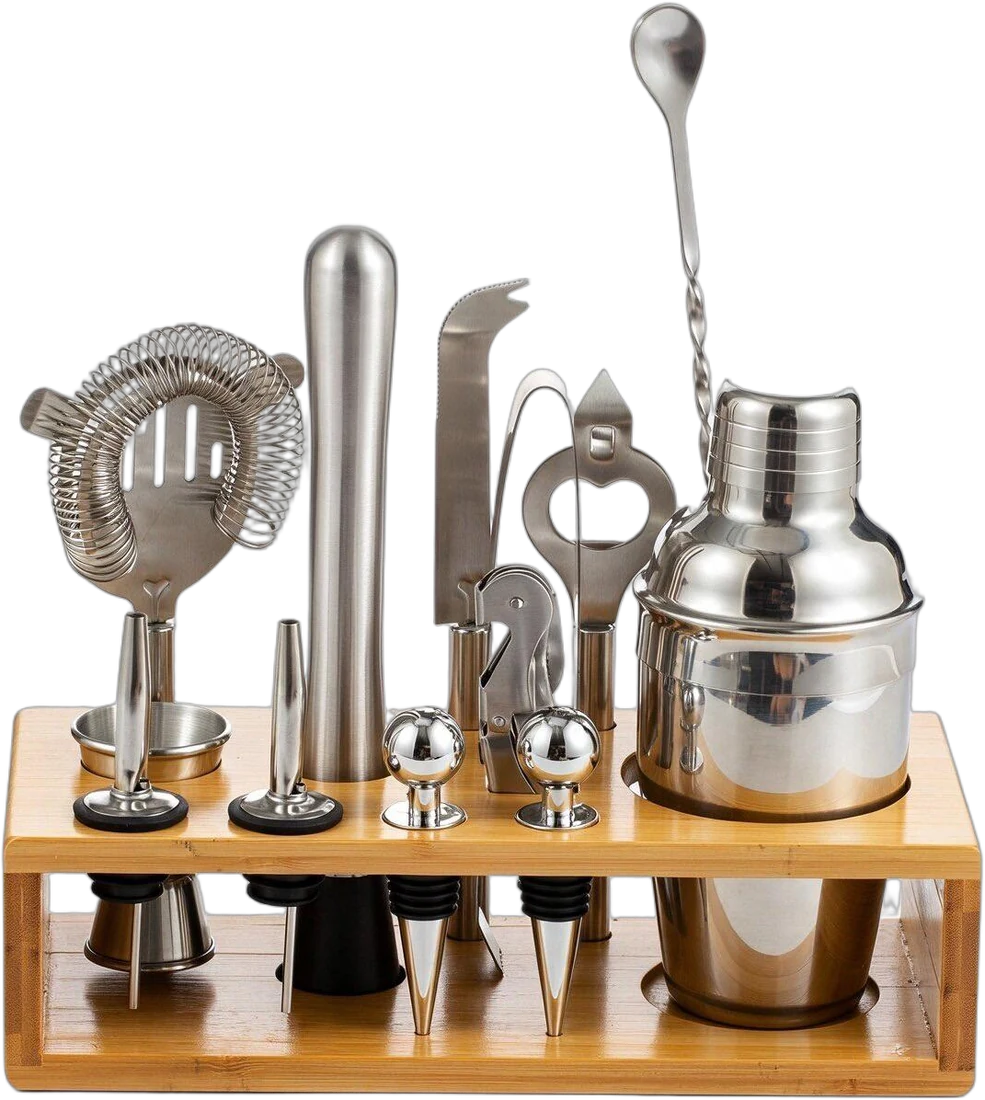
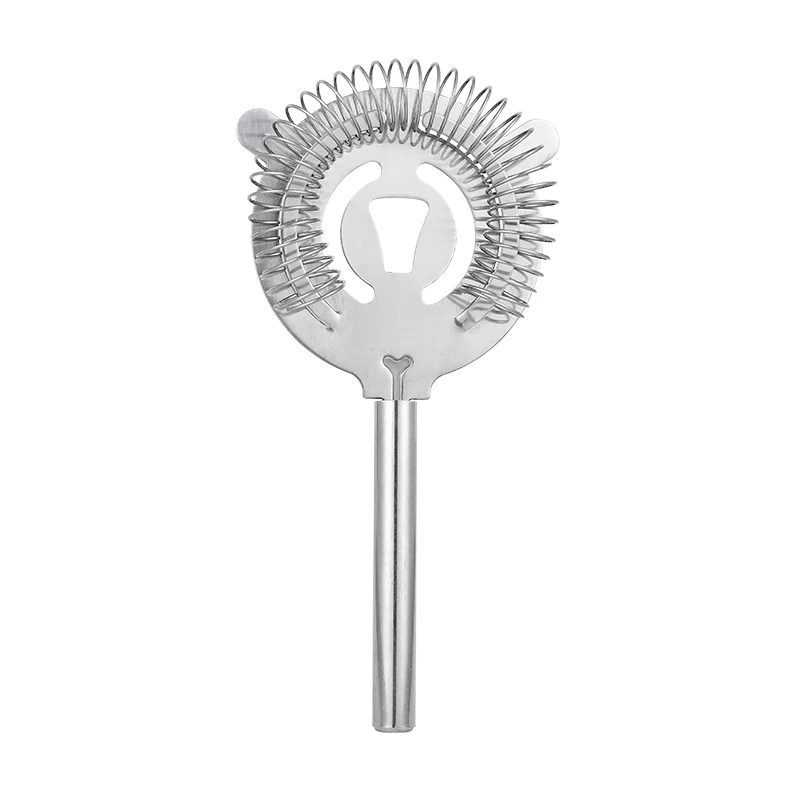
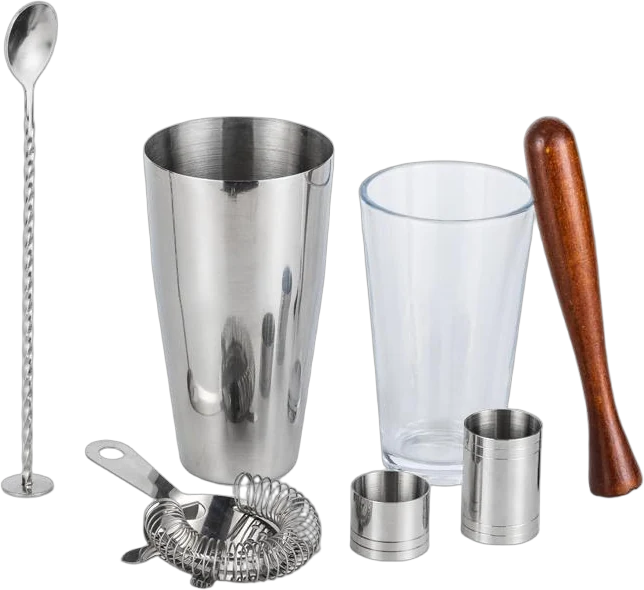
Record every component and its quantity. Two sets described with the same piece count may include different numbers of pourers, picks, brushes or measuring tools. Identify the shaker format, each jigger capacity and the strainer type. If a stand is included, check that its openings match the chosen tools. Use the website reference to locate the photographed configuration, then confirm the final bill of materials in writing.
Compare presentation and packing separately
A stand can make a set convenient to display, while a case or gift box changes the unpacking and storage experience. Ask for the assembled dimensions and the unit packaging dimensions as separate values. Review inserts, protection between metal parts, instructions and the outer carton. The full packing configuration is needed to compare freight quotations; the photographed set alone is not enough.
Agree the material and appearance
Specify material requirements for the individual components rather than assigning one steel grade to the entire kit. A set may also contain glass, wood or other materials. Identify the desired finish and logo position, and review samples of the combination. Any cleaning instructions or market-specific documentation should apply to the actual materials and finish supplied.
Send a quotation-ready brief
Send product references, the component list, estimated quantity per configuration, branding files, packing requirements, destination and target delivery window. Keep sample timing, production timing and transit timing separate. Compare supplier quotations against the same component and packing list, and record any exclusions before approving a sample or order.
Examples from the Manchen catalog
Compare the series below by their listed configuration and packing, then open the product page to check the components pictured. A matching piece count alone does not establish the same set or carton size.