Materials & care
201 vs 304 stainless barware: what actually differs?
Compare chromium, nickel and manganese, understand the protective passive film, and connect alloy differences to forming, cleaning and purchasing decisions.
Manchen editorial team · Updated
The short answer
Both are austenitic stainless steels. Grade 201 uses less nickel and more manganese than 304, with nitrogen helping its alloy design. Chromium supports a thin protective passive film in both. The differences affect material cost and forming behaviour; suitability still depends on the specified alloy, finished construction and service environment.
Read the alloy design behind the grade numbers
In SSINA’s table, 201 contains 16–18% chromium, 3.5–5.5% nickel and 5.5–7.5% manganese by weight; 304 lists 18–20% chromium, 8–10.5% nickel and at most 2% manganese. These are reference ranges, not the composition of every photographed product. Nickel supports the austenitic structure; 201 uses more manganese and nitrogen to reduce nickel demand while retaining that type of structure. This is an alloy-design choice, not simply “304 with less quality.” Specify the relevant standard and UNS designation, since naming conventions and composition limits can differ.
Understand the invisible passive film
Stainless steel resists corrosion through an extremely thin, chromium-rich oxide and hydroxide film. It can reform in a suitably oxidizing environment after local damage; it is not a thick decorative coating. That explains why surface condition and cleaning matter alongside composition. Remove residues and trapped cleaning solution using the approved method, and keep joints clean. Neither 201 nor 304 should be treated as permission for indefinite chemical soaking. A gold exterior or mirror polish tells you about appearance, not whether the underlying alloy is correctly identified.
Balance forming behaviour, cost and the real exposure
Reducing nickel can lower an alloy’s material-cost exposure, but the final quotation also includes forming, finishing and packing. BSSA notes that 201 has a higher work-hardening rate than 304, so substitution can change how a cup is formed and manufactured. It does not mean a finished 201 shaker must feel stronger or a 304 item cannot rust. For salty residues, frequent washing or prolonged wet storage, assess the actual configuration and maintenance route. A universal winner chosen from nickel content alone ignores the application.
Translate the science into a usable order specification
For each chosen tool, record the material requirement for the body and relevant accessories, then keep finish, dimensions and packing comparable across quotations. Check edges, pouring and cleaning access on the sample. Ask for traceable material information and review food-contact documents against the destination market and intended conditions. A steel grade is not a universal food-contact certificate, and a photograph or magnet test is not enough to identify it. Keep the approved component list so that a later material change is reviewed rather than silently substituted.
Put it into practice
- Identify the material required for each relevant component.
- Match reports and declarations to the selected configuration.
- Review market requirements separately from the steel grade.
Questions worth asking
Does 304 mean every version is dishwasher safe?
No. Coatings, assembled parts and the specified wash cycle can change the care requirements. Ask for instructions for the complete item, not just its base metal.
Examples from the Manchen catalog
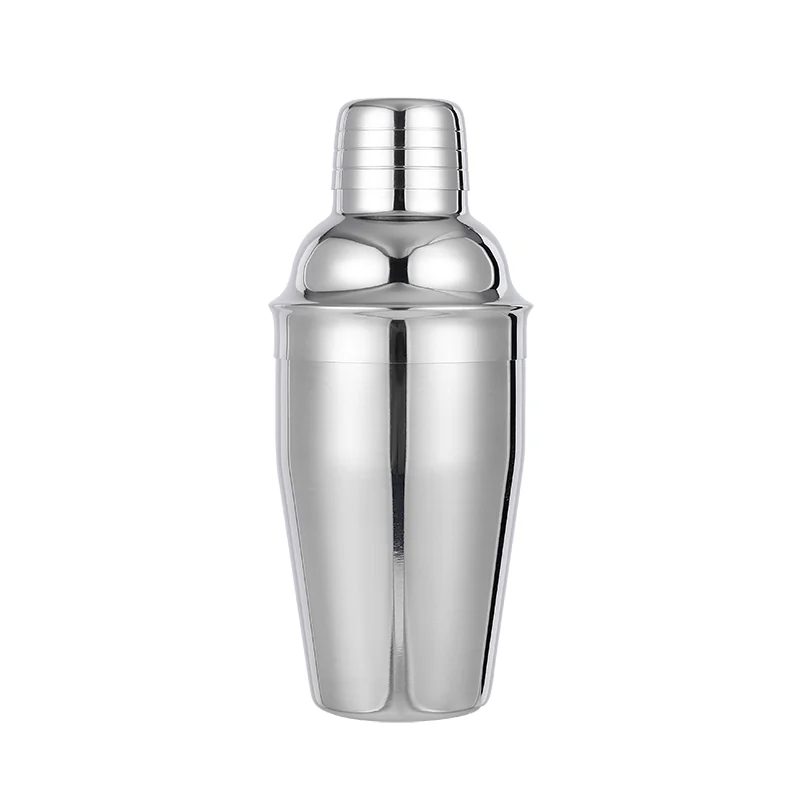
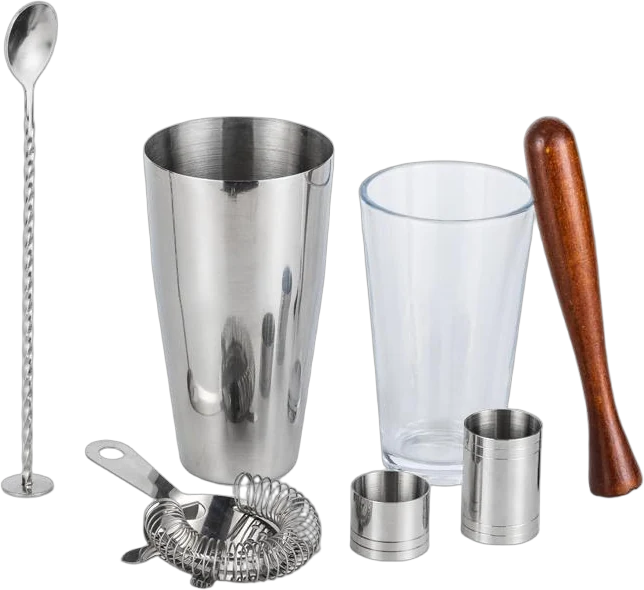
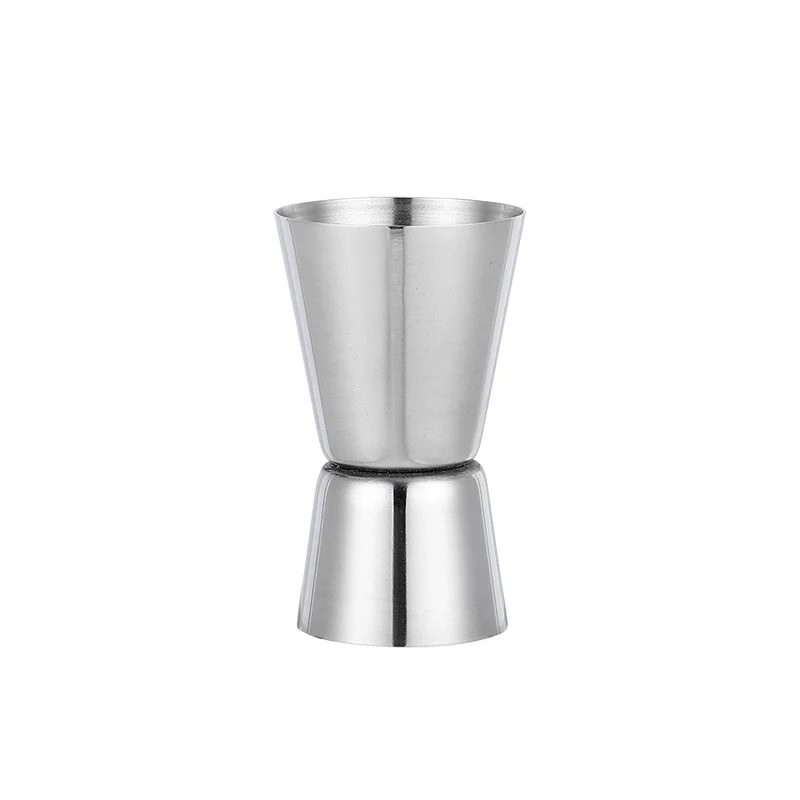
When considering Manchen shaker, jigger or set references, ask the team to confirm the material for the exact configuration. The catalog contains visual options and is a starting point for discussion; it should not be read as blanket confirmation that every photographed item uses one steel grade.
Explore the relevant collections
Discuss your product brief ↗References & further reading
These references explain general techniques and requirements. They do not establish certification or tested performance for a Manchen product.
