Recent industry trends
USPS published its holiday dates: work back from U.S. barware dispatch
Turn the September announcement into a domestic warehouse worksheet with processing time, stock release and exception decisions.
Manchen editorial team · Updated
The short answer
Choose the destination and service first, check current service expectations, and work backward from the relevant recommended mailing date. Add the retailer's own processing and exception allowances. This plan applies to stock being dispatched within the United States; it cannot substitute for an international sourcing or manufacturing schedule.
Keep the recommendation in its stated geography
USPS's September 22 announcement recommends December 17 for Ground Advantage, December 18 for Priority Mail and December 19 for Priority Mail Express for expected delivery before December 25 within the contiguous United States. These are recommended mailing dates under the announcement's conditions, not a universal guarantee. Check the current service information for the actual origin, destination and mailing date before publishing an offer.
DHL's November U.S. research adds useful context about the importance of availability and delivery information. The buyer's task is to connect that information honestly to a domestic fulfilment plan. Keep Alaska, Hawaii, territories and international addresses in separate planning groups rather than copying the lower-48 dates onto every order.
Build a worksheet from the carrier handoff backward
Use one row per service and destination group. Start with the checked mailing recommendation, then record the warehouse handoff, pick-and-pack work, order processing and any additional customization already agreed. Give each stage a responsible team and a source for its duration. The retailer should choose its own operating allowances instead of treating the carrier date as the last safe moment for every internal task.
In a hypothetical domestic gift programme, an engraved order needs a different processing row from an unchanged boxed set. The difference belongs in the order promise and staffing plan. A single prominent holiday deadline can conceal that distinction, especially when the same retail page offers several fulfilment options.

Release finished gift stock before the rush
Count the exact saleable configuration at the dispatch location. Confirm that the required tools, instructions and presentation are together under the retailer's release process. Keep damaged, incomplete or reserved stock outside the available quantity. The worksheet should tell the picking team which version can be shipped, not simply how many items belong to the product family.
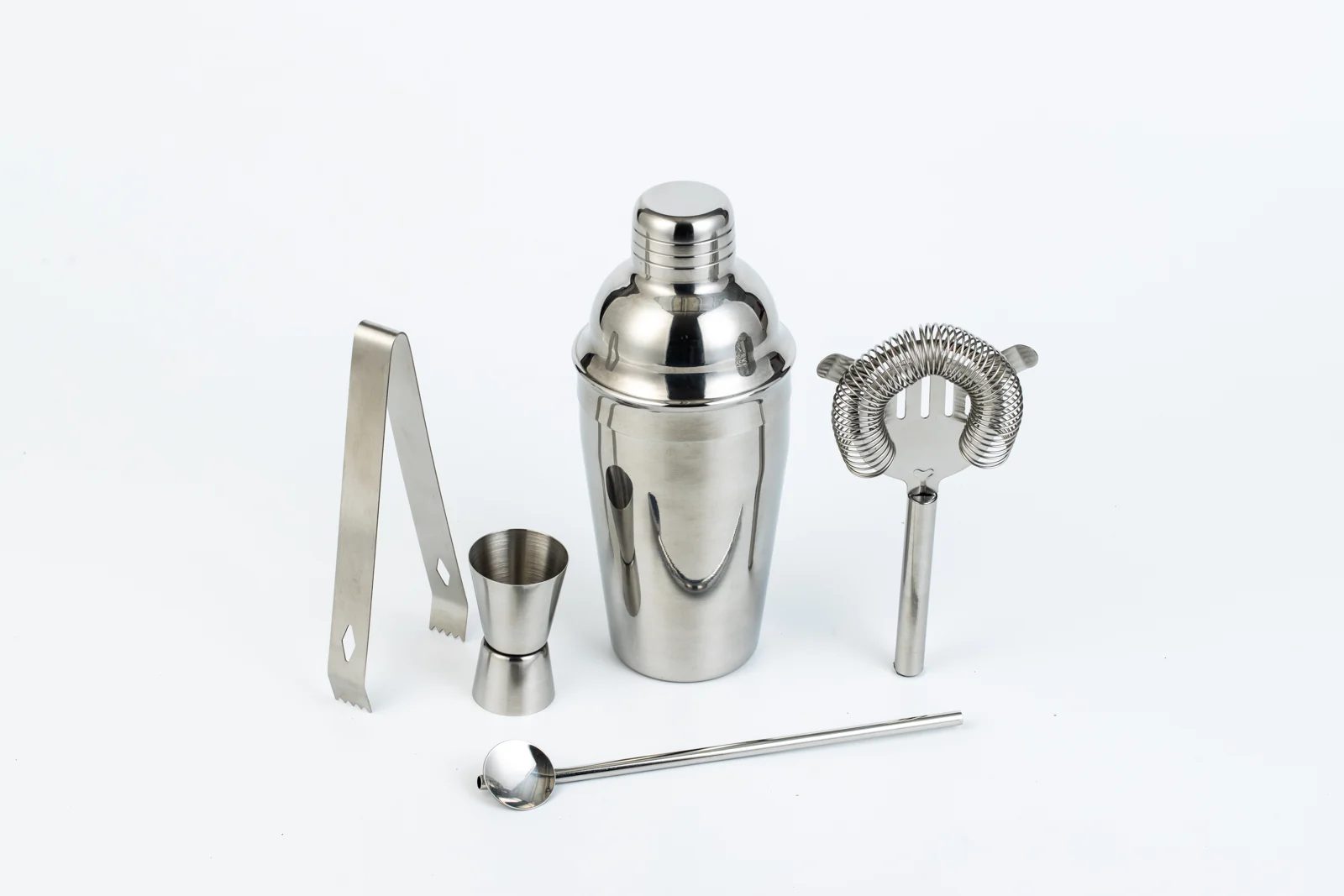
For a hypothetical shaker gift set, a missing instruction card could prevent release even when all tools are present. Assign a decision owner for that exception before the busiest period. Options might include completing the agreed configuration or stopping the affected offer; an improvised substitution should not quietly change what the customer purchased.
Create an exception queue with decision times
Separate address problems, stock discrepancies, damage and customization questions into an exception queue. Name who can resolve each category and when an unresolved order must be reviewed. Otherwise, staff may keep picking around a blocked order until the remaining carrier options are unsuitable. Visibility helps the team make a deliberate decision while alternatives can still be discussed.
Rehearse a hypothetical failed final check: the selected gift box is damaged on the dispatch day. Identify who checks replacement availability, who contacts the customer if needed and who changes the promise. Keep operational choices tied to the retailer's actual service terms rather than borrowing a delivery guarantee from the carrier announcement.
Publish a promise that follows the operating plan
Give customer service and merchandising the same service-and-destination matrix. State which configuration and processing conditions the offer covers, and set a review owner for changing information. As the season progresses, update the internal plan and the public wording together. A deadline that remains visible after its assumptions change is a customer-service problem waiting to happen.
After the peak, compare promised and actual handoffs, exception causes and workload. Use that evidence to adjust next year's internal allowances. The useful lesson is whether your own process met its plan; it is not whether the latest possible carrier date could have worked under ideal conditions.
Put it into practice
- Check the actual destination and service.
- Add internal processing allowances.
- Exclude incomplete or held stock.
- Assign exception and wording owners.
Questions worth asking
Can these dates determine when to place an overseas factory order?
No. They address a later mailing stage. International production, transport, receipt and retail processing require a separate confirmed schedule before goods become domestic dispatch stock.
Should customization share the standard boxed-set cutoff?
Only if the retailer has confirmed that both workflows fit the same processing plan. Otherwise publish separate conditions and keep the extra work visible in the warehouse worksheet.
Examples from the Manchen catalog
For a Manchen product planned for a U.S. retail holiday programme, establish the separate sourcing schedule first. Once the confirmed configuration is received and released at the domestic warehouse, use this dispatch worksheet to plan the retailer's final fulfilment stage.
Explore the relevant collections
Discuss your product brief ↗References & further reading
References for the reported developments and supporting techniques. Trial plans and buying worksheets are original editorial suggestions.
