Mixing fundamentals
Clear stirred cocktails: technique, ice and serving setup
Use controlled movement and a complete serving routine to preserve clarity without chasing a universal stir count.
Manchen editorial team · Updated
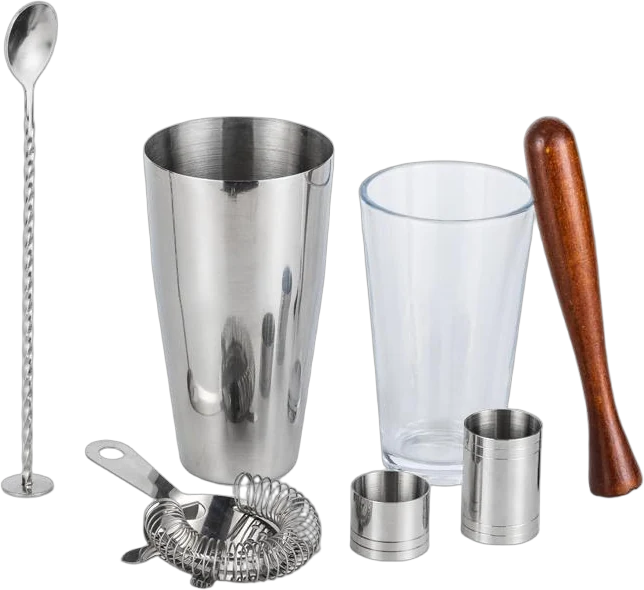
The short answer
For a recipe intended to be clear, stir gently enough to limit unnecessary aeration, use a suitable vessel and strain with control. Ingredient clarity and ice condition matter too. A polished spoon cannot make cloudy juice transparent, and a fixed number of rotations cannot guarantee the same result.
Start with a recipe designed for this texture
The IBA Dry Martini is an example of a recipe mixed in a glass with ice and then strained. The Negroni illustrates a different workflow: gentle mixing in the serving glass. These examples show why “stirred” does not always mean owning a separate mixing glass. Choose the procedure that belongs to the recipe, and separate visual clarity from strength or quality. A cloudy drink can be intentional; a clear drink can still be badly balanced.
Move around the ice rather than chopping through it
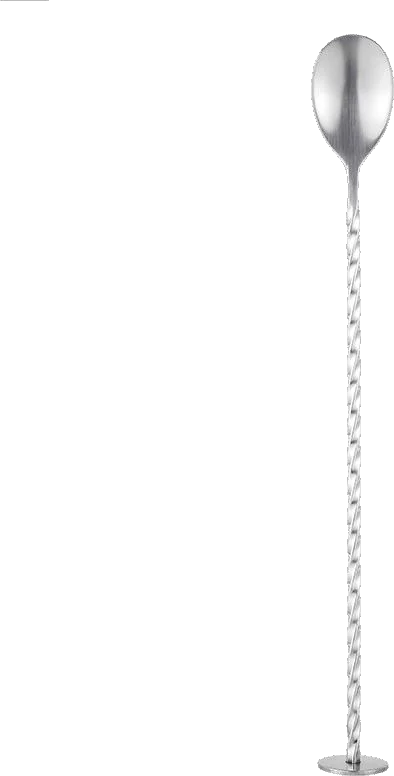
Practice a smooth spoon path with adequate vessel clearance. Aggressive lifting and chopping can introduce air and small ice fragments, complicating the desired appearance. A spoon that is too short encourages an awkward wrist position; a head that is too wide can catch between the wall and ice. Test a comfortable grip and movement first. The aim is controlled circulation, not demonstrating speed or producing the loudest possible sound.
Keep the strain and glass ready before mixing
A finished mixture continues to change if it waits over ice while staff search for a glass or strainer. Prepare the serving vessel, garnish and chosen strainer before starting. Evaluate the fit between strainer and mixing vessel so that the final pour does not spill or release unwanted ice. When testing a new tool, keep the rest of the sequence constant; otherwise a slower handoff can be mistaken for a material or spoon effect.
Write a teachable endpoint
Training can combine a recipe-specific reference sample, a documented routine and periodic checks. Avoid claiming that every drink must be stirred a fixed number of times or to an unmeasured temperature. Record the ingredient quantities, ice condition, vessel and serving format together. When a glass size or menu portion changes, revisit the trial. Consistency comes from a repeatable process and suitable tools, not from a decorative spiral handle alone.
Put it into practice
- Identify whether the drink is built or separately mixed.
- Prepare the final glass before the mixing step.
- Check spoon clearance and strainer fit together.
Questions worth asking
Does a heavier mixing glass guarantee better drinks?
Weight can affect handling, but it does not replace a balanced recipe or controlled method. Compare stability, grip, usable dimensions and cleaning access using your actual routine.
Examples from the Manchen catalog
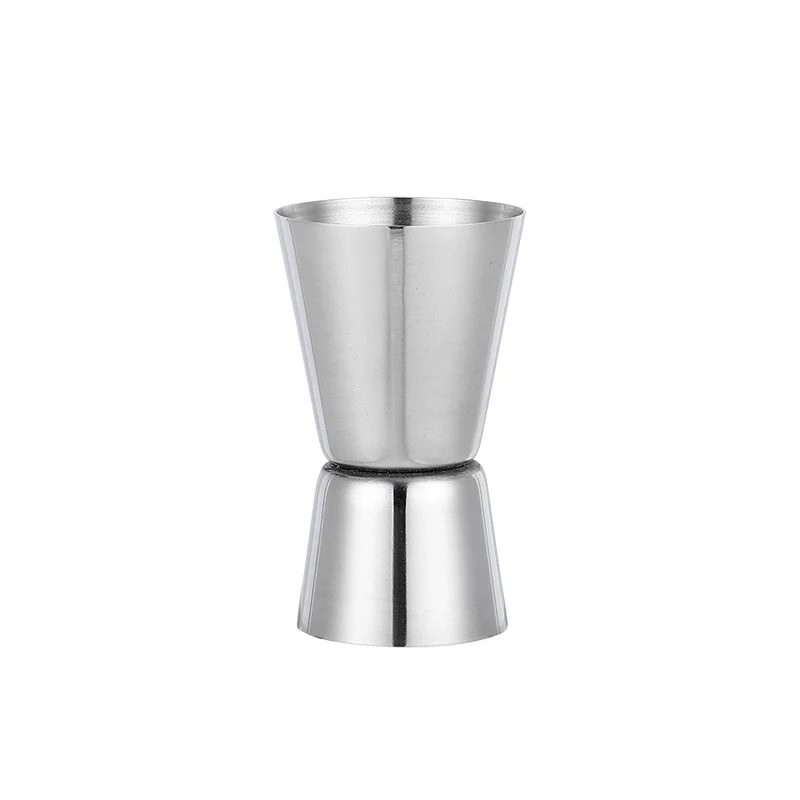
Manchen bar spoons, measuring tools and related accessories can be evaluated as one stirred-drink station. Use product images to shortlist shapes, then check dimensions and fit on the actual samples. Ask for a separate component list if these tools will be packed into a private-label kit.
Explore the relevant collections
Discuss your product brief ↗References & further reading
These references explain general techniques and requirements. They do not establish certification or tested performance for a Manchen product.
