Mixing fundamentals
Millilitres and fluid ounces: reading a jigger correctly
Avoid confusing volume with weight, US with Imperial ounces, and rounded recipe measures with exact conversions.
Manchen editorial team · Updated
The short answer
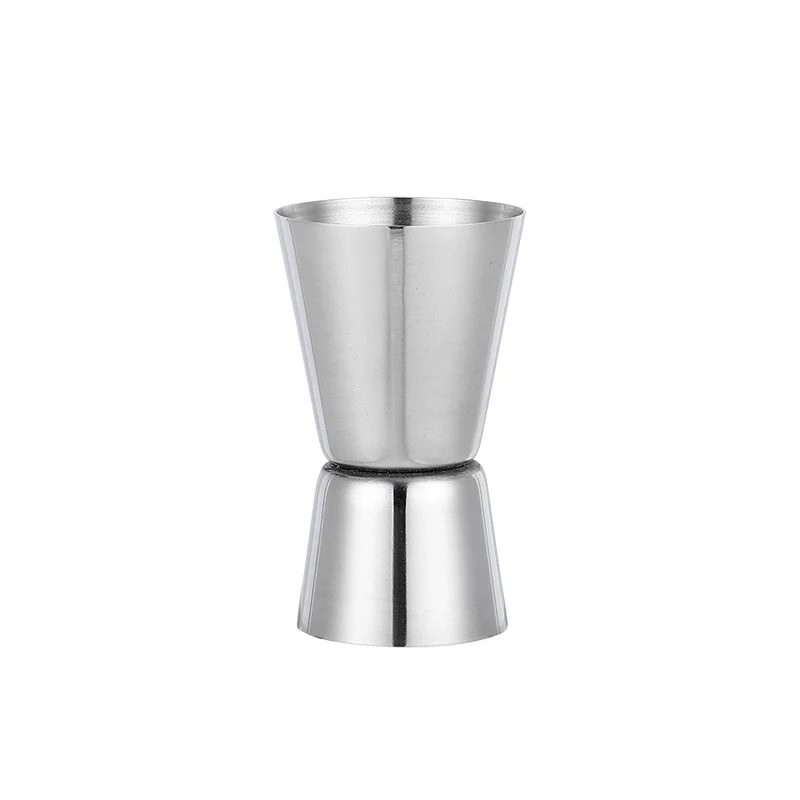
A fluid ounce is a volume unit; an ounce of mass is different. One US fluid ounce is approximately 29.57 mL, while one Imperial fluid ounce is approximately 28.41 mL. A 30 mL recipe measure can be intentional, but it is not an exact US-ounce conversion.
Write the unit system before the number
An unqualified “oz” on a drawing is ambiguous when the intended market is unknown. State US fluid ounces, Imperial fluid ounces or millilitres explicitly. The physical size of a cup does not tell you which definition the designer used. NIST distinguishes US customary and Imperial volume measures. When a distributor supplies recipes in different systems, choose one documented production convention rather than translating each label independently and hoping they remain consistent.
Keep recipe conventions separate from conversions
Some recipe systems deliberately use convenient millilitre measures. That does not make the corresponding tool defective, provided the tool and recipe agree on the same convention. Problems arise when a box claims exact equivalence while the internal marks use rounded volumes. Avoid copying a conversion chart onto packaging without checking the physical sample. A buyer should approve both the intended quantity and the wording used to describe it.
Identify brim measures and internal lines
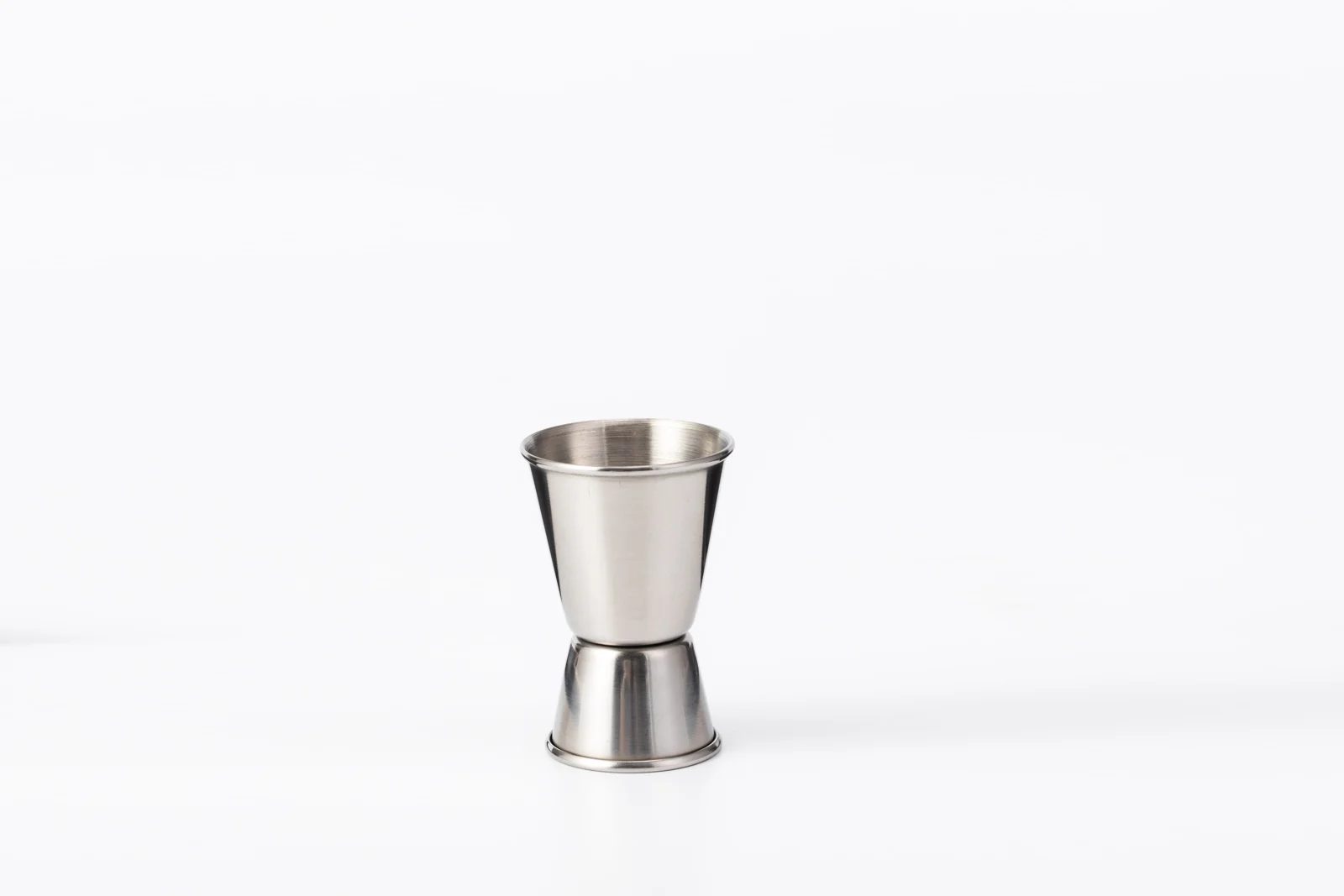
A double jigger has two cup capacities and may also have several smaller internal marks. A “25/50” description alone does not explain whether these are brim measures or internal lines. Ask for an annotated drawing of both sides, including which edge or line is the reference. Check that marks remain readable during a normal pour and that translations do not reverse the two sides. Use the selected units consistently in the instruction leaflet.
Agree how measurement will be checked
For sample approval, define the target volumes, filling reference, suitable measuring equipment and acceptable tolerance with the supplier. A gravimetric check with water requires controlled conditions and an appropriate density assumption; a kitchen scale alone is not a calibration certificate. If a market regulates the intended measuring use, obtain advice on the applicable requirements. Do not print “certified accurate” simply because a sample appears close during an informal bar test.
Put it into practice
- Specify mL, US fl oz or Imperial fl oz in full.
- Approve internal marks and brim capacities separately.
- Check packaging claims against the physical sample.
Questions worth asking
Is 30 mL exactly one fluid ounce?
No. It may be a convenient recipe convention. Specify which fluid-ounce system is intended and avoid an equals sign if the values are only an approximation.
Examples from the Manchen catalog
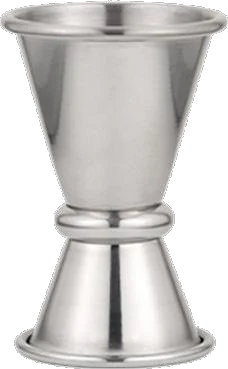
For a Manchen jigger inquiry, attach the capacity pair and required internal marks in your market’s units. Ask the team to confirm the available configuration and sample-check method. This keeps the brand’s recipe cards, tool markings and retail packaging aligned from the beginning.
Explore the relevant collections
Discuss your product brief ↗References & further reading
These references explain general techniques and requirements. They do not establish certification or tested performance for a Manchen product.
