Mixing fundamentals
Shaker capacity vs working volume: leave room to mix
Translate a nominal vessel size into a realistic recipe-and-ice trial before ordering for single or multiple serves.
Manchen editorial team · Updated
The short answer
Nominal shaker capacity is not the amount of liquid you can shake. Ice, the closure geometry and the space needed for movement all consume volume. Confirm what the supplier’s stated figure describes, then approve a practical recipe-and-ice load with a sample.
Ask which part the capacity describes
A listing may quote the larger tin, both tins separately or the body of a three-piece shaker. Adding the brim capacities of two mating tins does not establish the sealed working volume. The overlapping joint occupies space, and a lid can change the available geometry. Request a simple drawing or a clearly identified sample measurement. Keep millilitres and ounces labelled so that a translation does not silently change the meaning of a series option.
Build the load from the recipe outward
Start with the liquid quantity for one serve, then add the ice used by the operation. Evaluate the assembled vessel rather than the open large tin. A recipe with thick puree or foaming ingredients may behave differently from a simple liquid mixture. A double order also needs a separate trial; twice the recipe does not guarantee twice the practical output from the same shaker. Overfilling can make handling and pouring harder even before leakage appears.
Check handling, closure and the final pour
The right capacity is one the operator can seal, hold, mix, open and strain comfortably. Evaluate reach around the vessel, grip with wet hands and clearance over the serving glass. Use safe practice under a trained operator rather than testing a full vessel over a customer area. Record whether the chosen strainer remains seated during the final pour. Capacity is useful only when the complete workflow stays controlled.
Specify service output without inventing a rating
For an equipment brief, say “sample to be evaluated with this recipe and ice load” rather than asserting a universal number of drinks per shaker. Keep nominal capacity, practical trial load and expected serving quantity in separate fields. If different team members need different sizes, consider a coordinated range rather than forcing one oversized format into every task. Confirm whether quoted packaging and accessories change between the capacity variants.
Put it into practice
- Identify the vessel or component behind the stated capacity.
- Test each single-serve and multi-serve recipe load.
- Approve seal, opening and strain as one sequence.
Questions worth asking
Can two tin capacities simply be added together?
No. The assembled joint overlaps and working space is needed. Use the figures to identify the tin pair, then evaluate the sealed assembly with the intended load.
Examples from the Manchen catalog
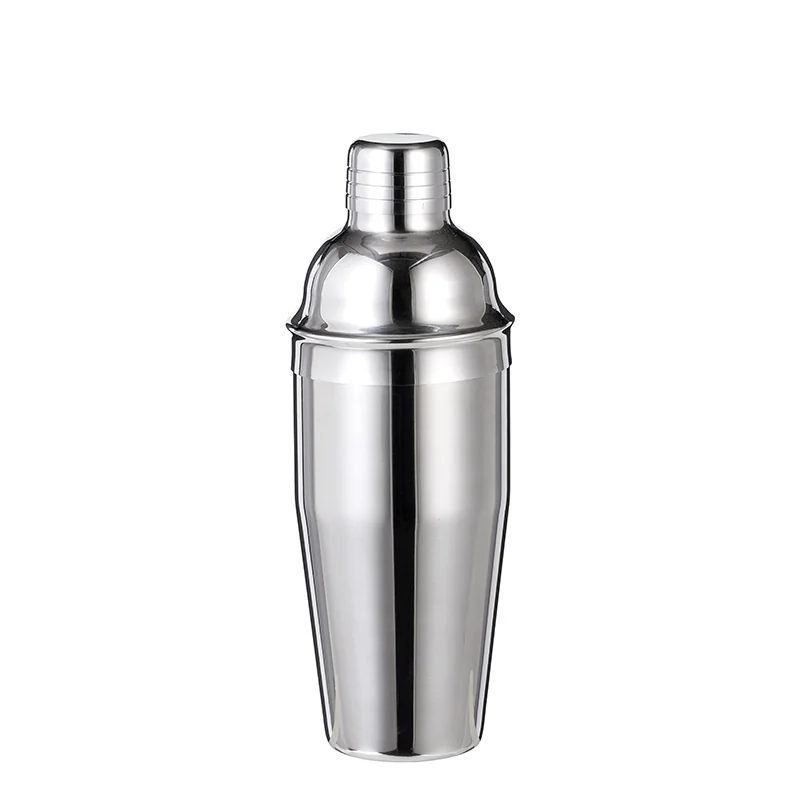
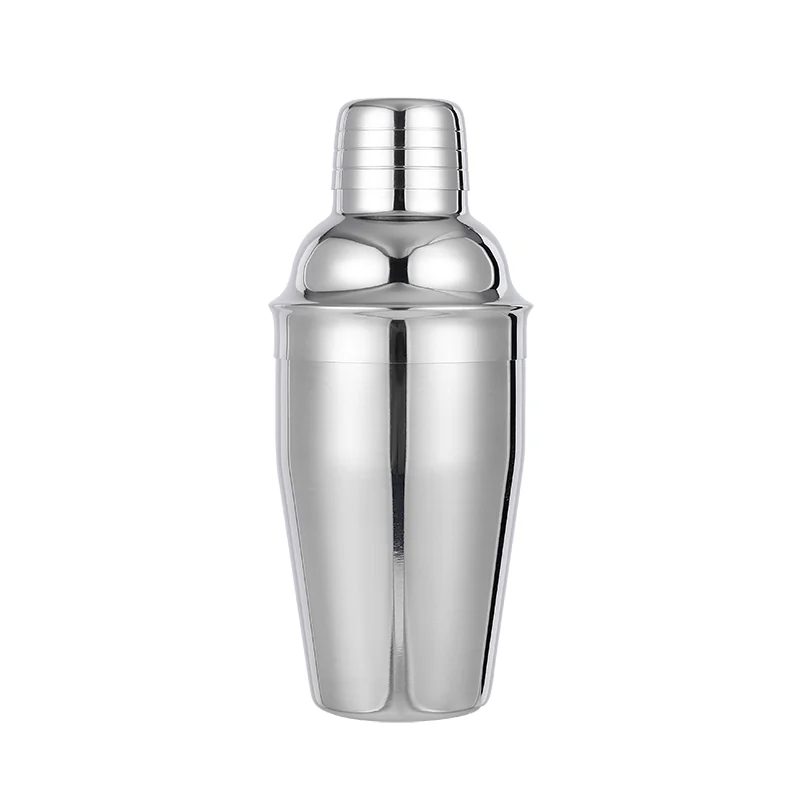
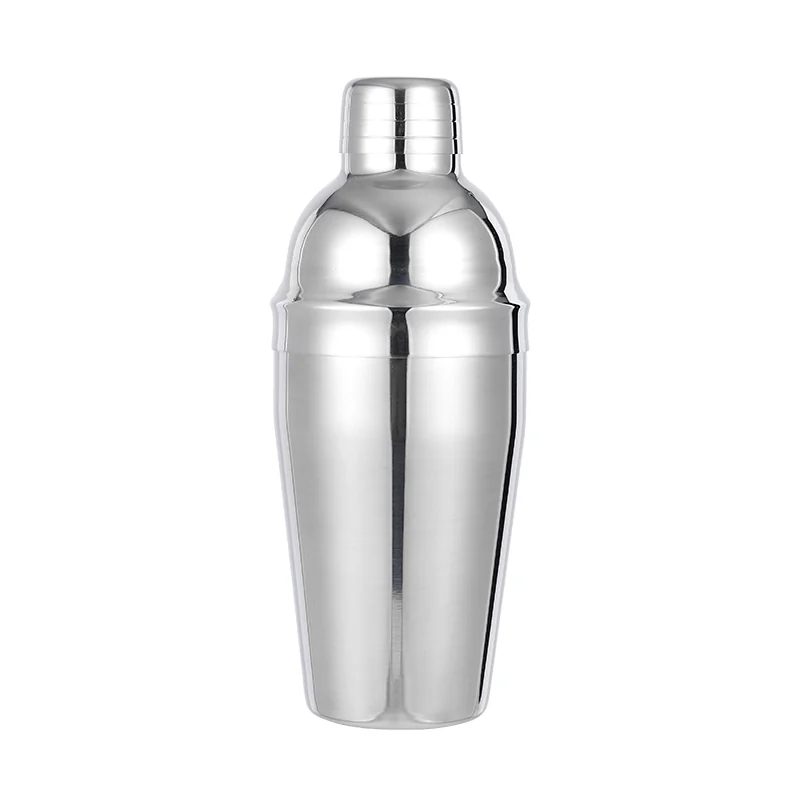
Manchen shaker series show different vessel options. Use the product reference to identify the format, ask which component the listed capacity describes and send your recipe load with the sample request. This makes the discussion more precise than asking for a shaker that “makes two drinks.”