Recent industry trends
Holiday stores as social outings: buy a barware demonstration assortment
Separate demonstration units, reset equipment and sellable stock so an in-store activity explains a real product customers can buy.
Manchen editorial team · Updated
The short answer
Define the demonstration's purpose, the exact retail SKU and the reset procedure before selecting tools. Purchase the working demonstration configuration separately from saleable stock, assign staff ownership and record replacement needs. Judge the activity through observed shopper questions and operational results, rather than assuming a busy display proves commercial success.
Connect the event to a buying decision
ICSC's October 6 release reports that 34% of surveyed store shoppers describe their holiday trips as social outings or combinations of shopping, dining and entertainment. Its survey was fielded September 21–23. That intention creates a relevant planning question for a retailer: can a small barware demonstration make the assortment easier to understand during a shared store visit?
NRF's October holiday research provides complementary context on shoppers' interest in experiences. Neither survey establishes that demonstrations will increase your sales. Begin with one decision the activity should clarify, such as the difference between two shaker workflows, and identify the exact shelf product connected to it.
Choose one repeatable demonstration
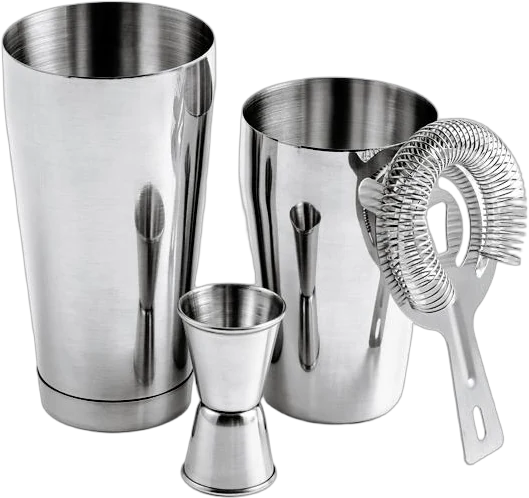
Write a simple demonstration card with the question, tool sequence, expected explanation and stopping point. Showing how a jigger, shaker and strainer work together can be enough; adding many unrelated techniques makes staffing and reset harder. Use a format appropriate to the retailer's premises and policies. A water-based demonstration may explain tool relationships without turning the display into a drinks-service operation.
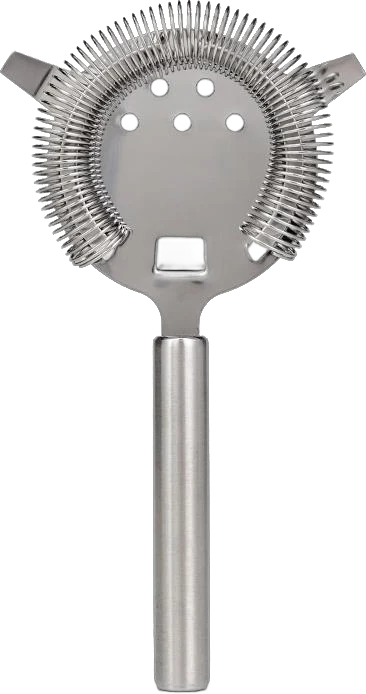
In a hypothetical department-store session, staff demonstrate the relationship between the shaker and separate strainer, then point to the included-parts card. Specify which actions visitors can try and who supervises them. Review handling and cleanup with the store's responsible operator before committing to an event schedule.
Buy demonstration stock as its own configuration
Create separate records for display-only items, working demonstration tools and unopened retail stock. Add the accessories used for reset and the place each item returns after a session. A demonstration kit may need duplicates or handling aids that are not part of the retail SKU. Identify them clearly so the visitor is not promised every object on the table.
For a hypothetical station, the working set and spare strainer could be listed separately, while a sign describes only the boxed set for sale. Record who can replace a worn or missing tool and which approved substitute is permitted. This keeps a small operational change from creating a different demonstration every day.
Plan the reset before inviting a queue
Walk through the full cycle: preparation, demonstration, visitor handling, collection, cleaning where applicable, drying and return to the station. Decide where used items wait and who owns each step. The existing bar-tool cleaning guide can support the operator's detailed setup; the buying decision here concerns whether enough appropriate tools and reset resources have been allocated.
Time a rehearsal under the intended staffing arrangement. If the demonstration leaves one employee unable to answer shopping questions, simplify it or change the schedule. Procurement can support that decision by making replacement tools, signage and consumable requirements visible before the event budget is approved.
Review questions as well as transactions
Use an event record with sessions completed, products demonstrated, recurring questions, stock issues and staff observations. Where the retailer tracks sales, distinguish the demonstrated SKU from related products and avoid assuming every nearby purchase came from the activity. A consistent record is more useful than a general impression that the table looked busy.
Afterward, decide what to repeat, simplify or remove. If shoppers repeatedly misunderstand whether a stand is included, revise the product information rather than extending the demonstration. If the main constraint is reset workload, change the operating plan before buying more display units. Each finding should lead to a specific next action.
Put it into practice
- Name the retail SKU the activity explains.
- Separate working tools from saleable stock.
- Rehearse the full reset cycle.
- Record recurring questions and stock issues.
Questions worth asking
Should a demonstration kit match the retail box exactly?
The demonstrated product should be identifiable, but the station can need additional operating resources. Label those separately and make the boxed inclusions clear so visitors understand what they can buy.
What if staff cannot maintain the reset workload?
Reduce the technique or session frequency, change staffing, or redesign the activity before expanding it. Buying more demonstration units alone may not solve a collection, cleaning or supervision bottleneck.
Examples from the Manchen catalog
For a Manchen set demonstration, identify the catalogue configuration intended for sale and list separate working spares in the inquiry. Confirm the components before printing display cards, so staff demonstrate the same offer customers see on the shelf.
Explore the relevant collections
Discuss your product brief ↗References & further reading
References for the reported developments and supporting techniques. Trial plans and buying worksheets are original editorial suggestions.
