Bar setups & service
Choosing ice bucket size: start with the job, not the litres
Compare usable internal dimensions, bottle fit, access and refill frequency while keeping edible service ice separate from bottle-chilling ice.
Manchen editorial team · Updated
The short answer
Choose an ice bucket around its actual task: holding ice for drinks or chilling and presenting bottles. Check internal dimensions, opening, accessories and refill procedure as well as nominal litres. Ice used to cool bottle exteriors should not later be transferred into drinks.
Separate the two jobs before comparing products
A bucket for serving ice needs protected access for a suitable scoop or tongs. A bottle chiller needs room for the actual bottle shape and the intended surrounding ice arrangement. Those needs may lead to different openings, proportions and handling routines even when two products share a nominal capacity. Write the intended purpose on the brief. This prevents a photographed bottle display from being mistaken for an approved edible-ice service arrangement.
Check usable geometry with the real bottle or tool
Measure the relevant internal diameter, depth and opening, not only the outside dimensions. A thick wall or tapered body can change usable space, and a bottle’s shoulders may be the limiting point rather than its base. Test how a lid fits around the intended contents and whether tongs can reach without scraping or an awkward grip. Use a sample for these checks; adding two nominal capacities does not describe how bottles will sit together.
Plan refill, carrying and the service location
A large bucket can reduce some refills while creating a heavier object to carry and a larger footprint. A small one may be easier to position but require frequent replenishment. Estimate demand using the actual service format and observe a trial interval; no single litres-per-guest formula fits every menu. Check handle comfort and the route between ice supply and service position. The person refilling should not need to move clean glasses or cross the guest handoff area unnecessarily.
Treat the listed accessories as items to confirm
A lid, tongs and carrying handle may vary between configurations. Record what is included and whether the accessory can be cleaned and stored under the operation’s procedures. The FDA Food Code distinguishes ice used for external cooling from ice used as food, but it is a model for local adoption. Follow the applicable rules and train staff on the separation. A bucket’s size or shiny finish does not establish hygiene or food-contact suitability for every intended use.
Put it into practice
- State whether the bucket holds edible ice or chills bottles.
- Test internal fit with the real bottle or handling tool.
- Confirm accessories and the refill route.
Questions worth asking
Can nominal litres tell me how many bottles will fit?
Not reliably. Bottle geometry, internal taper and surrounding ice space matter. Test the exact bottle arrangement in the selected bucket and record usable dimensions.
Examples from the Manchen catalog
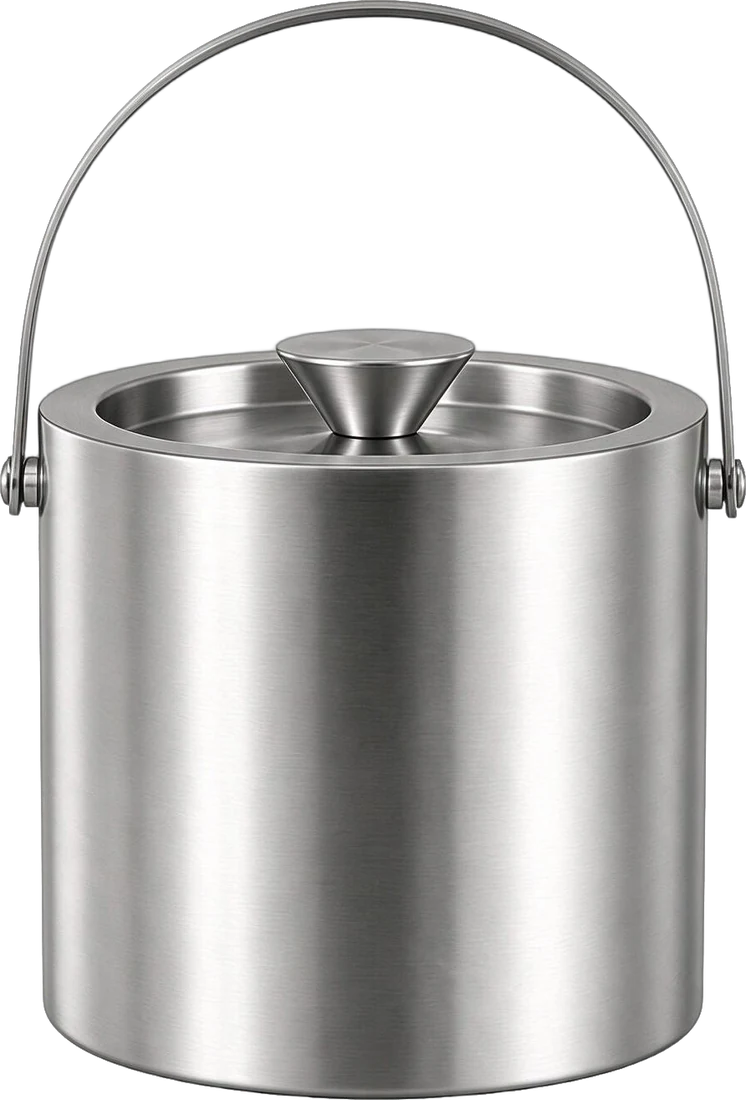
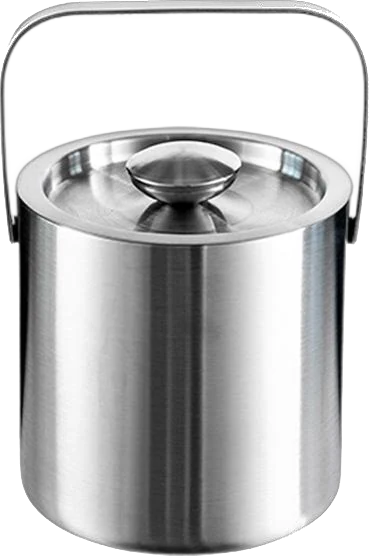
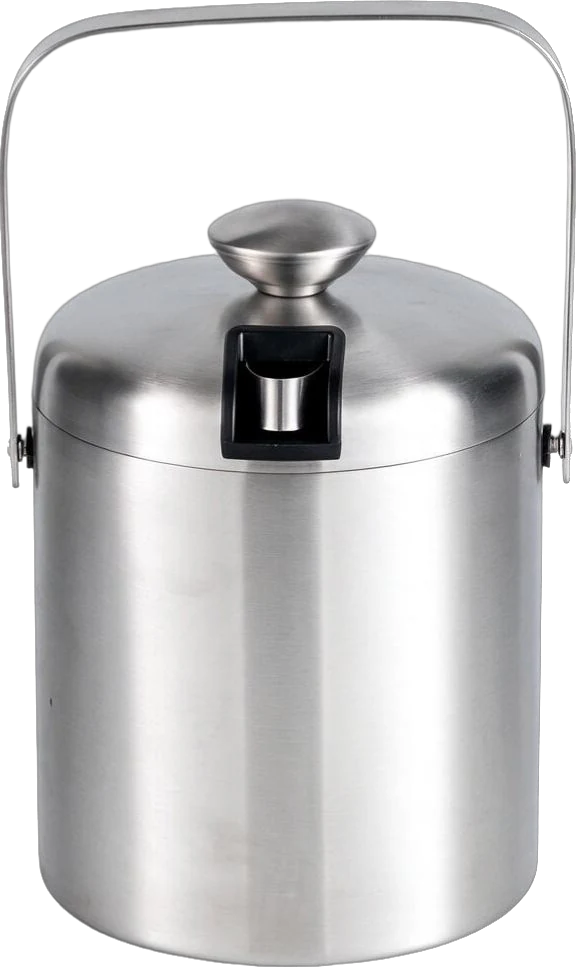
Use Manchen ice-bucket series to compare shapes, then ask for the internal measurements and included accessories of the selected configuration. Send the intended bottle dimensions or service-ice task with your inquiry. This makes sizing and sampling more useful than choosing only by a photograph or an advertised litre figure.
Explore the relevant collections
Discuss your product brief ↗References & further reading
These references explain general techniques and requirements. They do not establish certification or tested performance for a Manchen product.
