Tools & selection
A stuck cobbler shaker lid: diagnosis and prevention
Distinguish cold fit, sticky residue, damage and mismatched parts before applying more force.
Manchen editorial team · Updated
The short answer
Stop and inspect rather than forcing a stuck lid. Temperature changes, ingredient residue, distorted parts or an incompatible lid can all contribute. Follow the product’s opening guidance, allow an emptied assembly to return toward a safe handling temperature where appropriate, and avoid impact or sharp tools.
Check which joint is actually stuck
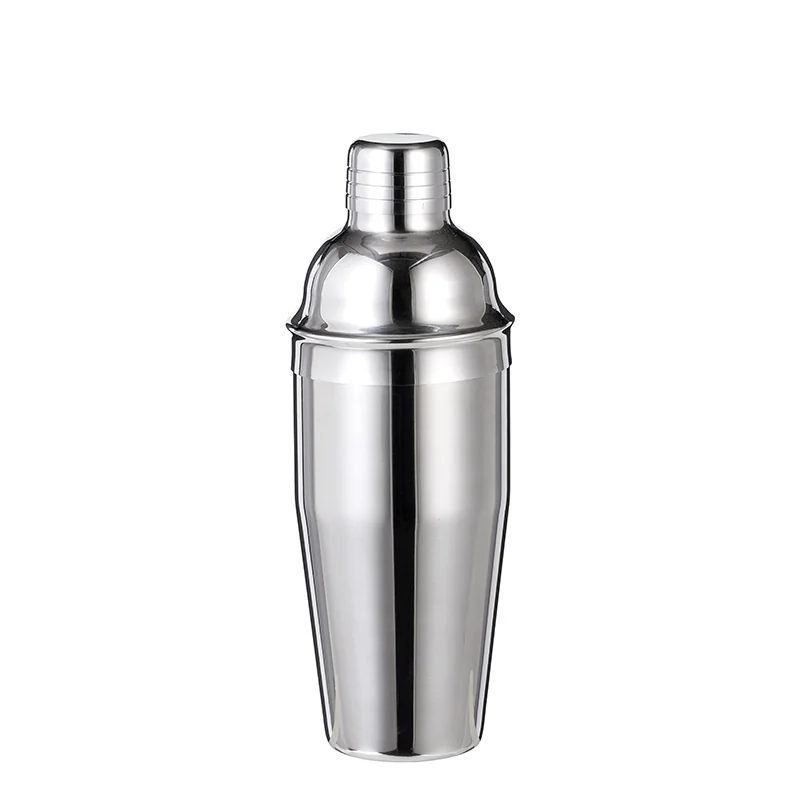
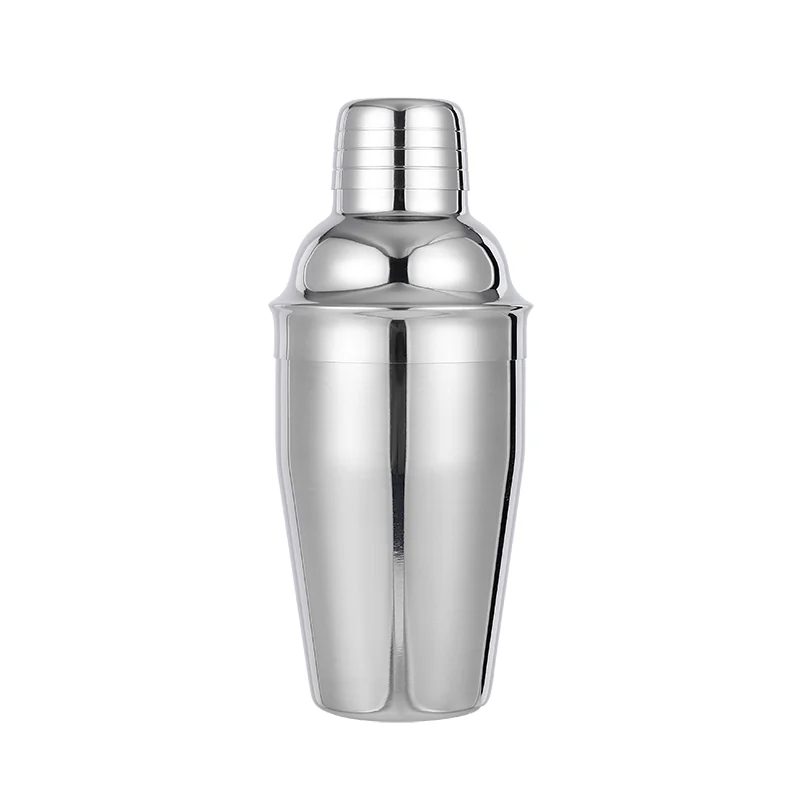
A cobbler shaker has a body, a straining lid and a small cap. The cap and the body-to-lid joint are different interfaces, so a problem at one does not diagnose the other. Inspect the assembly without holding it above people or fragile objects. If liquid remains inside, keep the vessel controlled and follow the manufacturer’s safe opening procedure. Do not add carbonated ingredients or attempt to solve the problem by heating a sealed loaded shaker.
Look for residue and part mix-ups
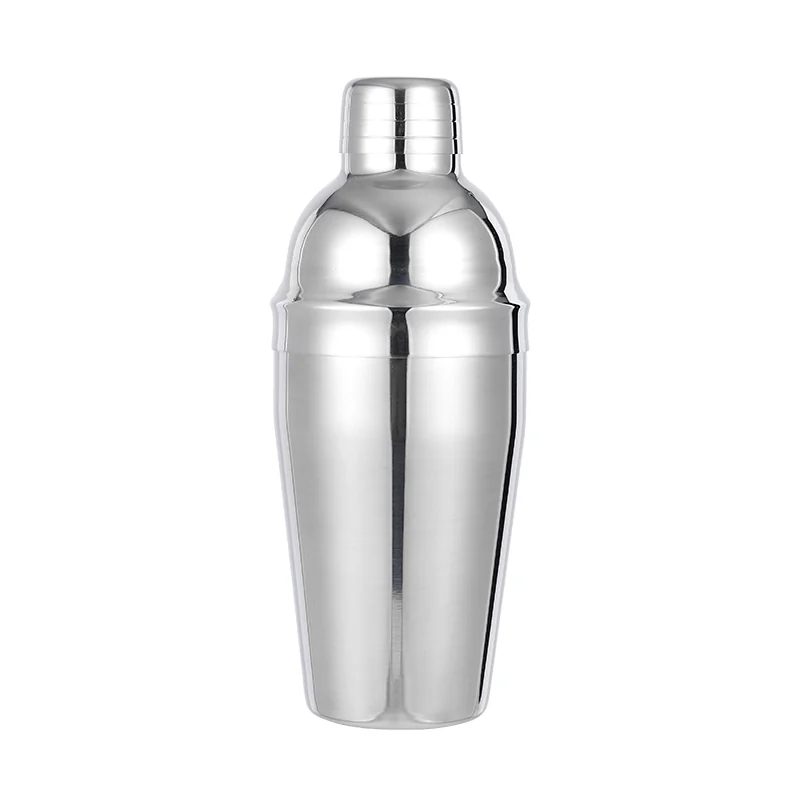
Sugar-rich liquids can dry around a joint, and incomplete cleaning can make a normally workable fit unpleasant. In a busy bar, similar-looking lids may also be swapped between different products. Clean and inspect an emptied assembly, then confirm that the components belong together. Keep paired parts identifiable during washing and storage. A low-cost replacement lid is useful only when its geometry matches the body, not when its colour merely looks similar.
Assess the fit at more than one condition
A sample that opens easily when dry and warm may behave differently after a cold mixing cycle. Evaluate both conditions using an agreed safe routine. Record whether excessive force, visible distortion or repeated leakage appears, and retain photos of any damaged rim. Do not sand, bend or modify a joint to make a sample pass unless an approved engineering change is being developed; an improvised repair no longer represents the production item you intended to evaluate.
Use feedback to improve the purchase specification
Write an acceptance check covering closure, leak observation, opening and cleaning after a representative use cycle. Ask the supplier to review troublesome samples before ordering replacements in bulk. For a home-bar kit, instructions should explain assembly, cleaning and what to do if opening becomes difficult. This gives customers a safer path than internet advice based on striking, prying or extreme temperature changes that may damage the tool or cause injury.
Put it into practice
- Identify the cap joint or body joint separately.
- Keep matching parts together during cleaning.
- Review opening after a realistic cold-use cycle.
Questions worth asking
Should I pry the lid open with a knife?
No. Sharp tools and uncontrolled force can damage the joint and injure the operator. Stop using the assembly and obtain the supplier’s safe handling guidance.
Examples from the Manchen catalog
If you are evaluating a Manchen three-piece shaker, test the complete supplied assembly and include opening behaviour in the sample record. Use the product reference when requesting matched replacements. A clear report of the conditions is more helpful than describing the entire category as easy or difficult to open.