Bar setups & service
Hotel bar tool par levels: plan working sets and spares
Estimate tool demand from simultaneous work, cleaning turnaround and replacement risk instead of applying an arbitrary tools-per-seat rule.
Manchen editorial team · Updated
The short answer
Start with the number of simultaneous workstations, add tools unavailable during washing and drying, then consider loss, damage and event peaks. Different tools need different par levels. Any numerical example is a planning exercise and must be tested against the operation’s actual menu and cleaning cycle.
Calculate by tool family and active station
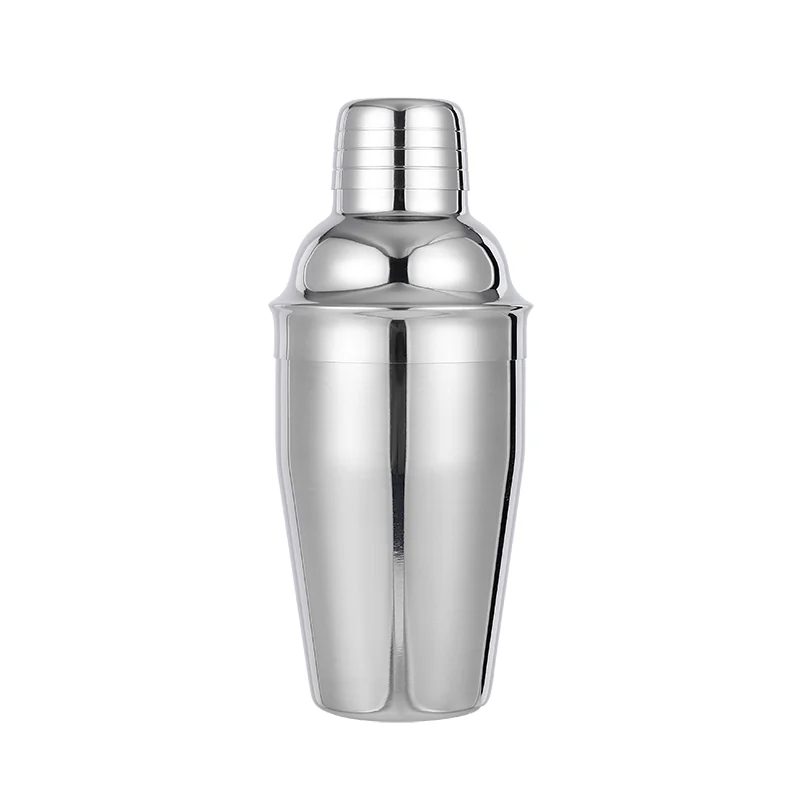
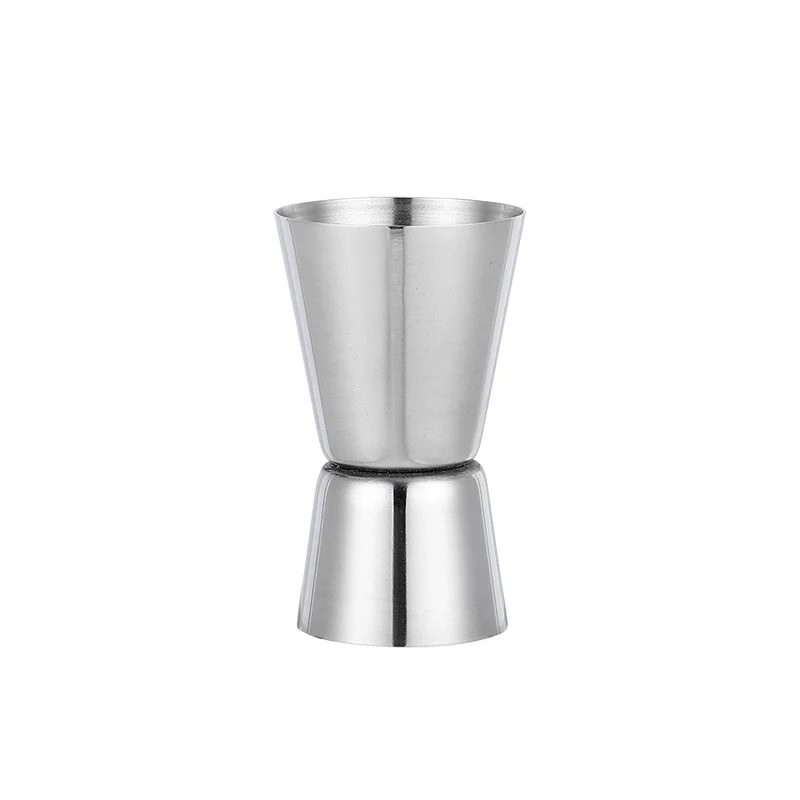
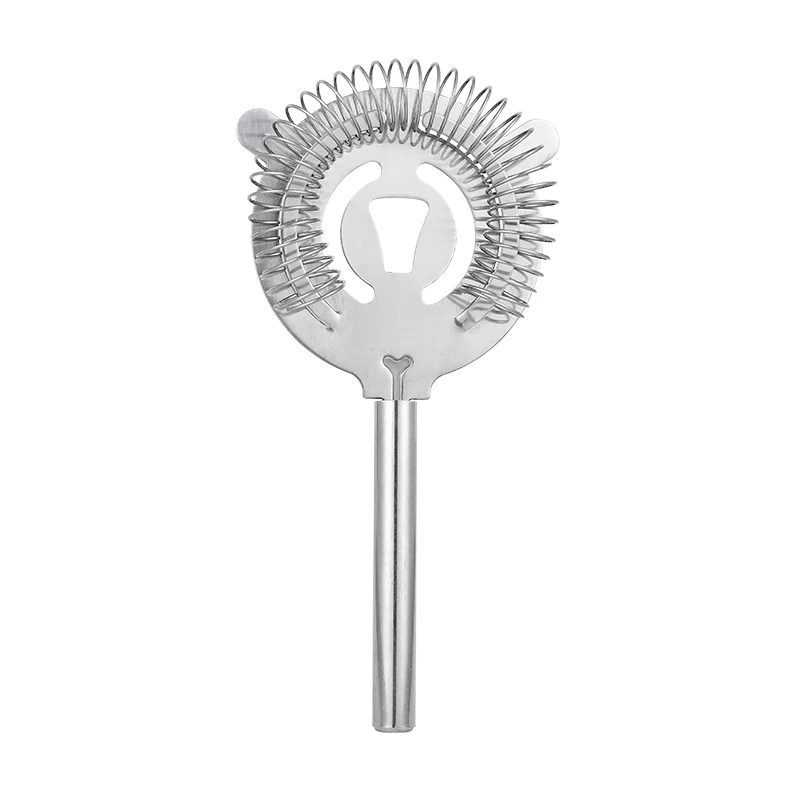
A shaker, jigger, fine sieve and ice scoop do not leave service at the same rate. List the tools required at each active station and identify which can safely remain assigned to that station between tasks under the operation’s approved procedures. Then identify tools that must be removed for cleaning after particular ingredients. Count complete compatible assemblies: two tins without a working strainer do not necessarily constitute another ready-to-use shaking set.
Make the turnaround visible
Observe a busy interval and record when used tools enter washing, finish the required cleaning and sanitizing steps, dry and return to a protected location. The bottleneck may be the return path rather than the wash itself. For a purely hypothetical example, three stations needing one ready shaker each require at least three working sets; if two more sets are usually unavailable during turnaround, five are needed before an additional contingency is considered. This is not a universal hotel standard.
Separate operating par from purchasing stock
Tools at the bar, tools in turnover and unopened replacement stock serve different purposes. A boxed spare in a remote storeroom does not solve an immediate service shortage. Conversely, putting every spare on the counter creates clutter and makes inventory difficult. Define a service-ready location and a separate replacement reserve. Record compatible pairings and version changes so that a replacement cap, tin or strainer does not arrive with subtly different fit.
Review the plan after menu or cleaning changes
A new pulpy drink can increase sieve turnaround, while a banquet may concentrate demand into a short arrival window. Trial the revised menu before changing the whole purchase order. Track shortages by specific tool and reason: unavailable for cleaning, misplaced, damaged or insufficient station allocation. Use that information to adjust the par rather than ordering an identical spare for every item. The FDA Food Code is a model; actual cleaning and storage requirements follow the jurisdiction and establishment.
Put it into practice
- Count ready assemblies at each simultaneous station.
- Measure the full clean-dry-return cycle.
- Keep service-ready spares separate from reserve stock.
Questions worth asking
Can I calculate tools from the number of guest seats?
Seats alone miss order concentration, menu complexity and turnaround. Use seats as context, then test demand at the busiest work interval and adjust each tool family separately.
Examples from the Manchen catalog
For a Manchen hotel-bar inquiry, send the station plan, component list and proposed working/spare quantities separately. Request confirmation of compatible replacements and the exact finish for repeat orders. This creates a clearer supply brief than asking for one generic professional kit per bartender.
Explore the relevant collections
Discuss your product brief ↗References & further reading
These references explain general techniques and requirements. They do not establish certification or tested performance for a Manchen product.
