Recent industry trends
Build a Negroni tasting station around a classic and two riffs
Use Negroni Week’s recent classic-and-variations format to plan a small tasting with clear labels and separate build sequences.
Manchen editorial team · Updated
The short answer
Use the classic as a clear reference, then select two variations with differences guests can identify. Write separate preparation cards for drinks built in the glass, mixed in another vessel or finished with a sparkling ingredient. The example below is an independent tasting exercise inspired by September’s campaign, not an official Negroni Week event.
Start with the campaign’s actual scope
Negroni Week’s organizer lists 21–27 September for its 2026 campaign and identifies Imbibe as the owner and operator. Slow Food’s event page describes venues making classics and variations to support its work. The recent campaign gives a useful reason to compare a familiar drink with related serves; it does not make a private tasting an official fundraiser.
For a separate educational session, name the purpose clearly: explore how a base spirit or a sparkling finish changes the experience. Keep the three samples small and describe alcohol and ingredients accurately. Do not use campaign branding or make donation claims unless the actual arrangement supports them.
Give the classic a named reference
The IBA’s Negroni entry specifies a direct build in a chilled, ice-filled old-fashioned glass followed by gentle stirring. That distinction matters: a tasting station should not quietly turn every related drink into the same mixing-glass procedure. Name the reference on the preparation sheet, then identify any intentional tasting adaptation.
For the two other places, consider a whiskey-led direction and a sparkling direction without presenting an invented formula as a historical standard. Choose verified recipes before service, or label your own formulations as house variations. Record what changed so the host can explain a meaningful comparison instead of simply announcing three names.

Map three builds before sharing equipment
Write three rows on a station sheet. For each, list the measuring tool, mixing location, final vessel, garnish and last addition. A direct build may need a spoon at the serving glass; another variation may use a separate vessel and a strainer. A sparkling finish should be listed as a final assembly action rather than hidden in an instruction to mix everything together.
Then look down the columns for conflicts. If two drinks require the same cleaned spoon at the same moment, change the preparation order or provide another suitable spoon. This is a more precise purchasing question than asking how many accessories a tasting set contains.
Make the tasting legible at the table
Number the samples and provide a brief card with the main difference for each. Use the same planned tasting size where the recipes allow, while leaving enough vessel space for the ice and garnish actually selected. If portion sizes differ, state that rather than letting the glass shape communicate an unintended comparison.
Invite guests to note aroma, bitterness, texture and finish in their own words. Leave time between samples and provide an appropriate non-alcoholic alternative. Avoid promising that one variation will suit everyone: the point of the flight is to make personal preferences easier to describe, not to declare a universal winner.
Use a rehearsal to decide what to buy
Run the three-drink sequence for a small imagined table before placing an equipment order. Record which actions can happen before guests arrive, which must happen at the table, and which tools return too late for the next step. Keep the ingredients and glassware fixed during this trial so the observation remains useful.
Revise the station sheet after the trial and use it as the inquiry brief. It should distinguish the core measuring and stirring tools from optional presentation pieces. If the event becomes a fundraiser, plan the organizer requirements and financial communication separately; a well-designed tool station does not establish campaign participation.
Put it into practice
- Name the classic reference and label house variations.
- Write a separate build sequence for each sample.
- Check shared-tool conflicts during a three-drink rehearsal.
- Keep campaign and donation statements factual.
Questions worth asking
Should every Negroni-style drink be mixed in a mixing glass?
No. The IBA classic is built in its serving glass. Follow the chosen recipe’s method and make any deliberate adaptation explicit; related ingredients do not automatically require an identical preparation route.
Can I call a private tasting a Negroni Week event?
Only use participation claims that match the organizer’s actual arrangements. This article’s tasting plan is independent inspiration from the completed campaign and does not register a venue or establish a charitable contribution.
Examples from the Manchen catalog
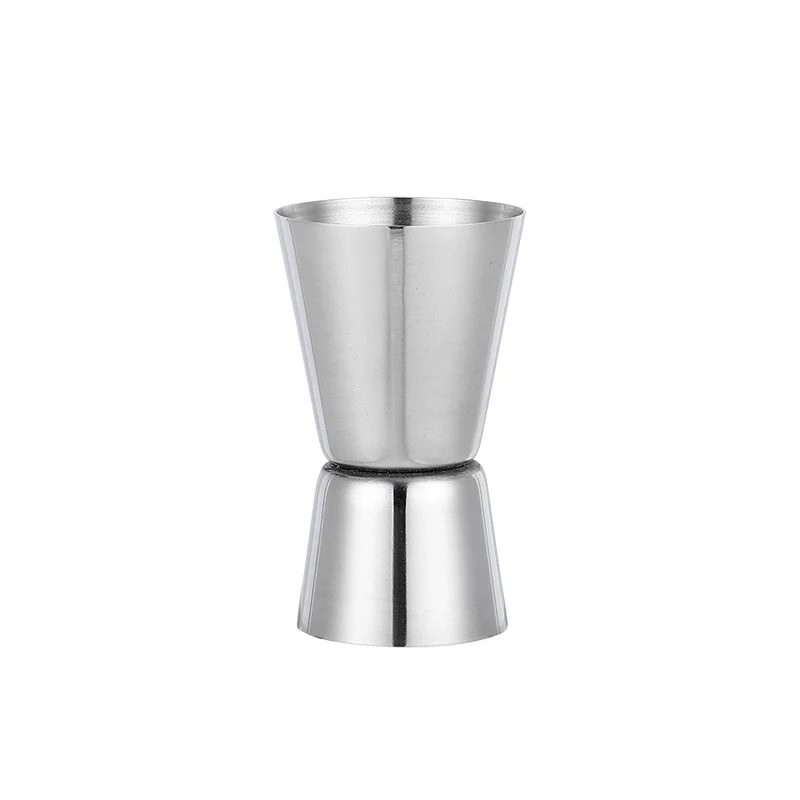
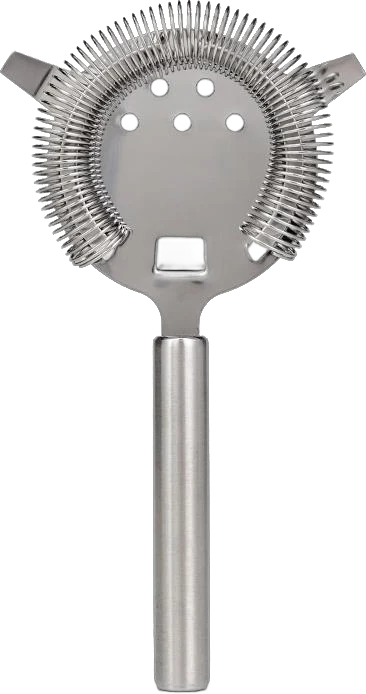
For a Manchen three-serve tasting brief, compare a straight-rim jigger and twisted spoon first, then add a steel-handle strainer only where the selected variation uses a separate mixing vessel. Send the three build cards so quantities follow the preparation sequence.
Explore the relevant collections
Discuss your product brief ↗References & further reading
References for the reported developments and supporting techniques. Trial plans and buying worksheets are original editorial suggestions.
