Recent industry trends
Make a mini Martini welcome serve feel deliberate
Seabird’s autumn music series pairs its menu with a mini Martini. Use the idea to plan preference-taking, preparation and the first handover.
Manchen editorial team · Updated
The short answer
Treat the mini welcome drink as a coordinated moment: collect the guest’s preference, assemble a measured serve and deliver it when the table is ready. Seabird’s current series supplies the example, while the service plan below is an original exercise for a small hosted event. The venue has not published a specific mini-Martini pour size.
Notice what the welcome drink is doing
Seabird’s published autumn offer combines live music, a four-course menu and a Grey Goose mini Martini served to the guest’s preference. The booking page identifies Sundays from 18 October to 6 December 2026; as of 12 November the series is still under way. This is a specific venue format, not proof that every guest now prefers smaller cocktails.
For an independent dinner or reception, decide whether the first drink welcomes guests, introduces a menu or marks the start of an experience. That purpose determines when it should arrive. A carefully made small drink can still feel misplaced if it appears before seating or while the guest is handling coats and bags.
Ask a short, usable preference question
Choose the options your team can actually deliver and put them on the order card. A small event might offer a defined house version, one garnish choice and a non-alcoholic alternative. State the spirit and relevant ingredients clearly. Avoid an open-ended promise to make any imaginable Martini when the station is prepared for only one recipe.
Record the preference against a seat or another clear identifier, then pass that information to the builder. The person serving the table should be able to match the finished glass without asking every guest again. Test the handoff during rehearsal, because an accurate drink at the wrong place is still an avoidable service problem.
Define the small serve before choosing glassware
Mini is a description, not a standardized volume. Write your own target portion and choose a vessel with suitable space for the finished drink and garnish. Test the result in the actual glass rather than scaling a full-size photograph. Leave enough headspace for carrying and for the guest to lift the glass comfortably.
The IBA Dry Martini reference uses a mixing glass, ice, stirring and straining into a chilled glass. It is a method reference for a classic, not Seabird’s recipe or a mini specification. If you adapt a chosen formula to a smaller serving, record that adaptation and check the final presentation in a complete trial.
Coordinate the build with the table
Create a simple ready signal between the person seating guests and the person making drinks. Confirm glasses, place settings and preference notes before the final pour. For a small table, rehearse how many orders can be assembled together without making early glasses wait while the team solves the later ones.
Keep the measuring, mixing, straining and garnish actions in a visible order on the station card. A separate service tray plan should show who carries the drinks and how the table receives them. This exercise is about the timing of the welcome moment; it does not require an elaborate new workstation or a universal batching rule.
Judge the first five minutes, not just the finished glass
Ask a colleague to walk through arrival, the preference question, seating and the first sip. Observe whether the description is clear, the serving feels easy to handle, and the drink arrives at a sensible pause. Record one improvement to the order card and one to the handoff.
Keep those notes with your small-serve recipe and tool list. If the event later grows, repeat the rehearsal at the new scale before multiplying equipment quantities. Seabird’s offer is a useful creative prompt, but another venue’s welcome routine should be designed around its own seating, team and guests rather than presumed from a promotional page.
Put it into practice
- Define the purpose and target portion of the welcome drink.
- Offer only the preference choices the station can support.
- Match each order to a clear seat or guest identifier.
- Rehearse arrival, seating, building and the handover together.
Questions worth asking
What is the standard volume of a mini Martini?
The word mini does not establish one here, and Seabird’s published offer does not specify its pour. Define your own serving size, identify it accurately and test the vessel with the complete drink and garnish.
Can I prepare every welcome drink before guests arrive?
That depends on the recipe, storage, serving condition and arrival pattern. Write those requirements first and rehearse the handover. Do not assume a promotional listing reveals the venue’s preparation or holding procedure.
Examples from the Manchen catalog
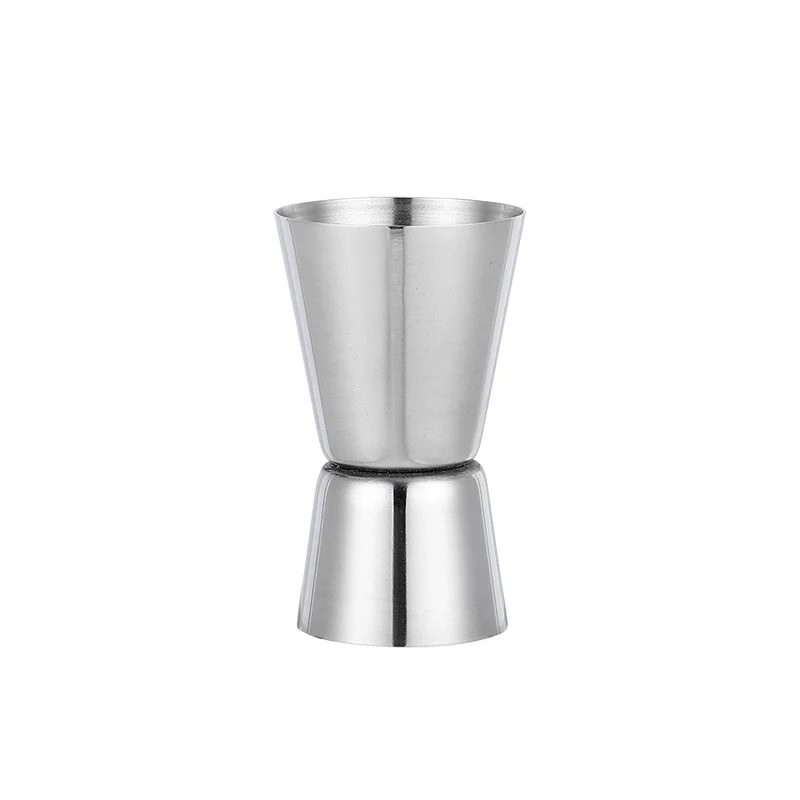
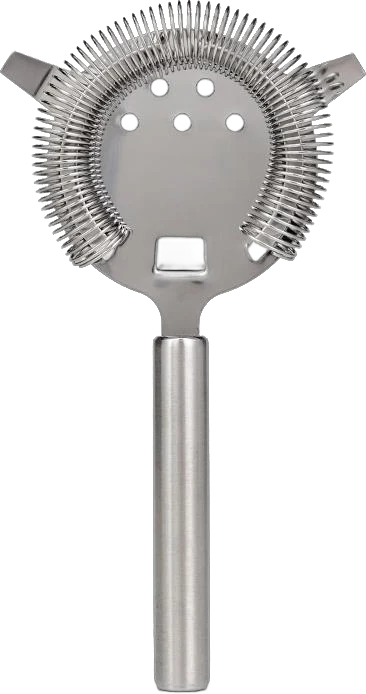
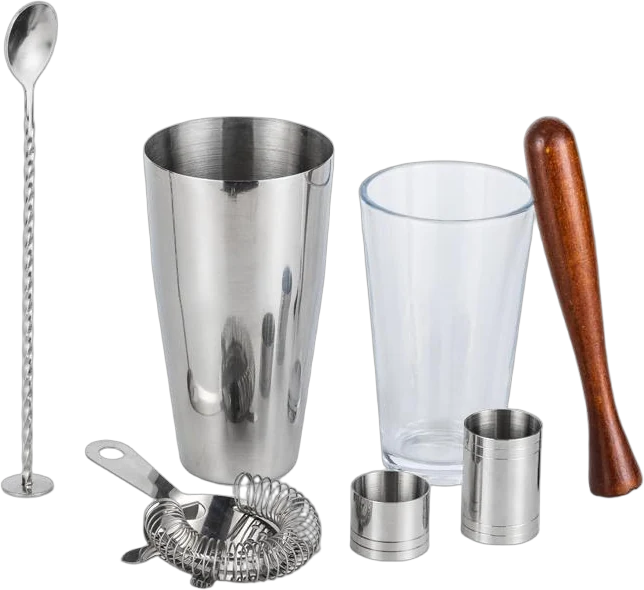
For a Manchen welcome-serve brief, compare the mixing-glass set, straight-rim jigger and steel-handle strainer against your own small-serve card. Confirm included components, measuring increments and vessel compatibility before ordering; no Seabird equipment connection is implied.
Explore the relevant collections
Discuss your product brief ↗References & further reading
References for the reported developments and supporting techniques. Trial plans and buying worksheets are original editorial suggestions.
