Recent industry trends
From the bar counter to a venue merchandise collection
Bar Leone’s recent glassware collaboration offers a starting point for a small collection built around recognizable house serves.
Manchen editorial team · Updated
The short answer
Begin venue merchandise with a recognizable drinking occasion and a useful object, then develop the visual treatment around that task. A compact collection can translate a house serve into something guests understand at home. Bar Leone’s collaboration is the recent example; the tool-and-recipe brief below is an independent application for other venues.
Choose the behavior you want to carry home
The 50 named Bar Leone its top bar again on 7 October 2026. Its accompanying profile describes a four-piece Bobo glassware collaboration announced in July, with spritz, highball and martini pieces linked to Italian bar and football culture. That combination connects visual identity to drinking occasions.
For another venue, start with the moment guests already recognize: a welcome drink, an aperitivo ritual or a particular garnish. Write down what the object helps the customer do after leaving the bar. This keeps the brief concrete before decisions about logos, box colors or the number of pieces distract from the product’s purpose.
Translate the identity into a small product family
Imagine a neighborhood bar whose identity centers on an evening aperitivo. A short collection might pair a measuring tool, a mixing spoon and a reusable pick with one original serving card. Give each item a separate job: portion, combine or present. If two pieces serve no distinct purpose, question whether both belong.
Build the visual connection through original artwork, wording and finish choices appropriate to your venue. Do not copy another bar’s collaboration graphics or suggest a partnership that does not exist. A recognizable collection can be restrained: a consistent detail and a useful instruction may carry the story more clearly than printing every surface.

Make the instruction work beyond the venue
A souvenir with a recipe card should be understandable without a bartender standing beside it. Specify the intended serving vessel, ingredient measures, ice and final garnish. Use one volume unit consistently; NIST’s volume reference supports clear mL notation and the relationship between milliliters and liters.
Then test the card with someone who has never watched the house serve being made. Ask them to identify the tools and describe the sequence before starting. If the customer needs an unlisted tool or an ingredient available only at the venue, either provide a practical alternative or explain that limitation before the product is sold.
Review the service sample and the retail sample separately
The article’s description of Bar Leone’s glassware as intended for busy service is a reported product intention, not an independent durability result. Apply the same distinction to your own collection: a pleasing mockup does not establish how an object handles, cleans or survives shipment.
Try the exact tool configuration through the planned serve, then examine a packed sample as a customer would receive it. Check whether pieces can move against one another, whether the instruction remains readable, and whether the item can be returned to its insert after use. Record what was actually checked instead of making broad claims about professional quality.
Keep the collection easy to reorder
Create a short record containing the artwork version, component references, approved appearance, instruction language and packing arrangement. Keep a photograph of the whole collection and a separate component list. A later reorder may need one replacement tool rather than a complete redesign.
Ask the venue team which pieces customers understand immediately and which need explanation. Use that feedback to revise the next production brief, without treating a few comments as a sales forecast. The aim is a coherent object-and-occasion relationship: the customer recognizes the venue, understands the purpose and knows what to do with the purchase.
Put it into practice
- Choose one recognizable house occasion.
- Assign every component a separate practical role.
- Test the instruction with a first-time user.
- Keep artwork, component and packing versions together.
Questions worth asking
Must venue merchandise include a drinking glass?
No. A small tool collection can support the same occasion if its role is clear. Select the objects that make sense for the customer’s next use, and confirm any glassware availability separately rather than assuming every supplier provides it.
Should the retail tools match the bar’s tools exactly?
They can share the venue’s identity while meeting different handling or packing needs. Document the differences so the customer receives an accurately described product and staff can explain why the retail configuration was chosen.
Examples from the Manchen catalog
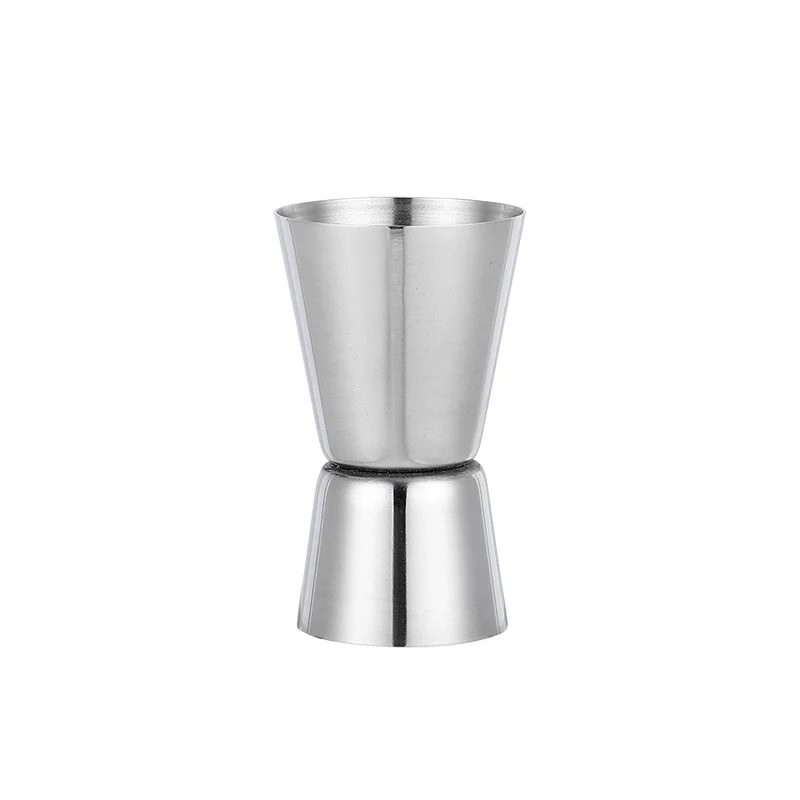
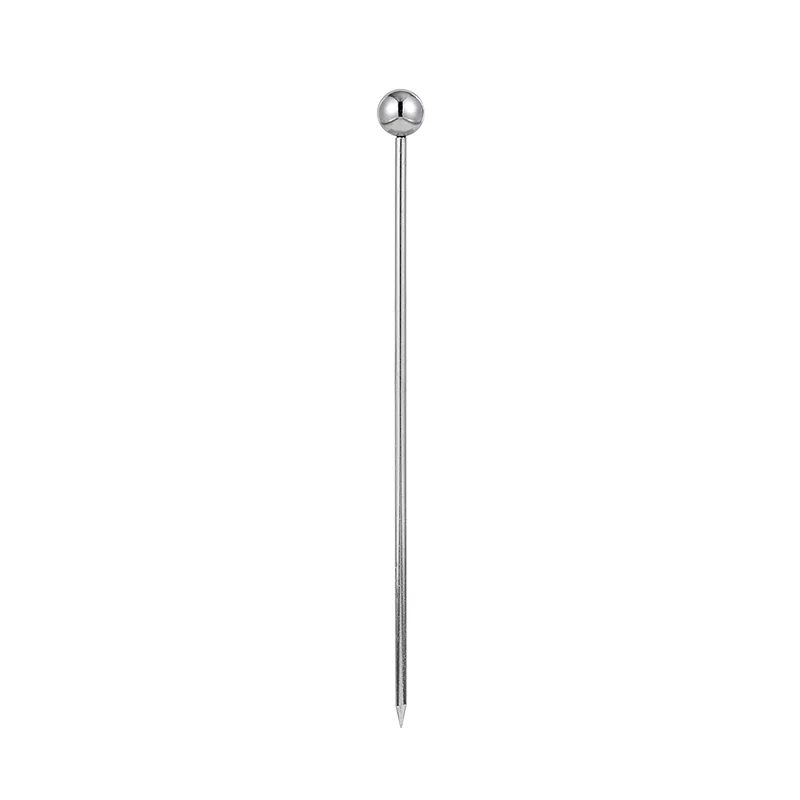
For a Manchen venue-merchandise inquiry, the straight-rim jigger, twisted spoon and ball-tip pick provide three different starting roles. Send original branding and a serving-card draft, then request confirmation of marking areas, component specifications and the proposed retail pack.
Explore the relevant collections
Discuss your product brief ↗References & further reading
References for the reported developments and supporting techniques. Trial plans and buying worksheets are original editorial suggestions.
