Recent industry trends
Tell a story in a three-drink cocktail flight
World Class’s recent music-flight challenge suggests a practical format for an original tasting with three chapters and a clear preparation order.
Manchen editorial team · Updated
The short answer
Give each small drink one chapter of the story, one sensory role and one clear position in the serving order. Prepare the flight with separate build cards and a brief host script. The World Class challenge is the recent prompt; this is an original event-planning method rather than a reproduction of a contestant’s flight.
Choose three chapters a guest can follow
Diageo’s 23 October 2026 announcement reports Zana Möhlmann’s World Class win in Edinburgh. Its challenge list includes Fast Forward, a three-drink Johnnie Walker Black Label flight with a music track for each drink. The flight is one challenge in the program, not a complete explanation of the judging result.
For your own tasting, choose three moments with a clear connection: an introduction, a turning point and a return, for example. Write one sentence for each before developing the drinks. If the host cannot explain the relationship briefly, simplify the story rather than adding increasingly complicated ingredients to make it seem more meaningful.
Give every chapter a different sensory role
An illustrative sequence might open with a bright, lighter-textured drink, move to a more aromatic middle, and finish with a compact spirit-led serve. These are creative roles, not competition recipes. Test the actual order because a forceful first sample can make the later contrast less clear.
Keep portions deliberately small and identify ingredients and alcohol accurately. Write the planned volume in one unit across all three cards; NIST’s volume reference gives the mL notation and its relation to liters. If a recipe needs a different sample size, mark it explicitly so the glass shape does not become the only explanation for the difference.

Separate the story card from the build card
The guest card can contain a chapter name, a short sensory description and the intended order. The builder needs ingredient quantities, vessel, ice, method, garnish and final action. Combining both into one dense paragraph makes it harder for either reader to find what matters.
If music forms part of the concept, describe why each selection connects to the chapter. A spoken explanation or a printed reference can communicate the association without claiming any rights to distribute recordings. Plan the actual event’s music arrangements separately. The drinks should remain understandable even if a guest does not recognize a song or chooses to focus on the tasting.
Build a sequence the tools can support
Make a three-row preparation plan and mark which steps can happen before the presentation begins. Then identify the final actions that must happen close to each handover. Do not assume three samples should all be completed at once; the intended order and the recipes determine that decision.
Check where a spoon, jigger or strainer is needed twice before it can be cleaned and returned. Change the sequence or add a suitable duplicate at that specific point. Arrange the serving positions with numbers or another clear identifier so the host can tell the story without handling finished glasses repeatedly to work out which sample is which.
Rehearse the pause between chapters
Run the complete flight with one colleague acting as a guest. Include the opening sentence, each handover and a brief interval for notes. Ask whether the flavor contrast and the story point in the same direction. A long explanation that interrupts every sip may be a sign the concept needs editing.
Record the final card versions and the tool arrangement together. For the next event, change one chapter deliberately rather than silently changing portions, order and ingredients at the same time. This preserves a useful creative framework while allowing the flight to evolve as an original experience, independent of the competition that inspired it.
Put it into practice
- Write one sentence for each of three chapters.
- Assign distinct sensory roles and clear small portions.
- Keep guest descriptions separate from detailed build cards.
- Rehearse tool returns and the pause between handovers.
Questions worth asking
Must the three drinks share the same base spirit?
That depends on the story and recipes you choose. A shared base can focus the comparison, while different bases need a clear reason. The World Class challenge’s brand requirements do not automatically apply to an independent tasting.
Should I serve all three samples at the same time?
Decide from the recipes, intended serving condition and host script. Rehearse both the preparation and the time guests take to move between chapters; an attractive three-glass arrangement is not enough to establish the best handover sequence.
Examples from the Manchen catalog
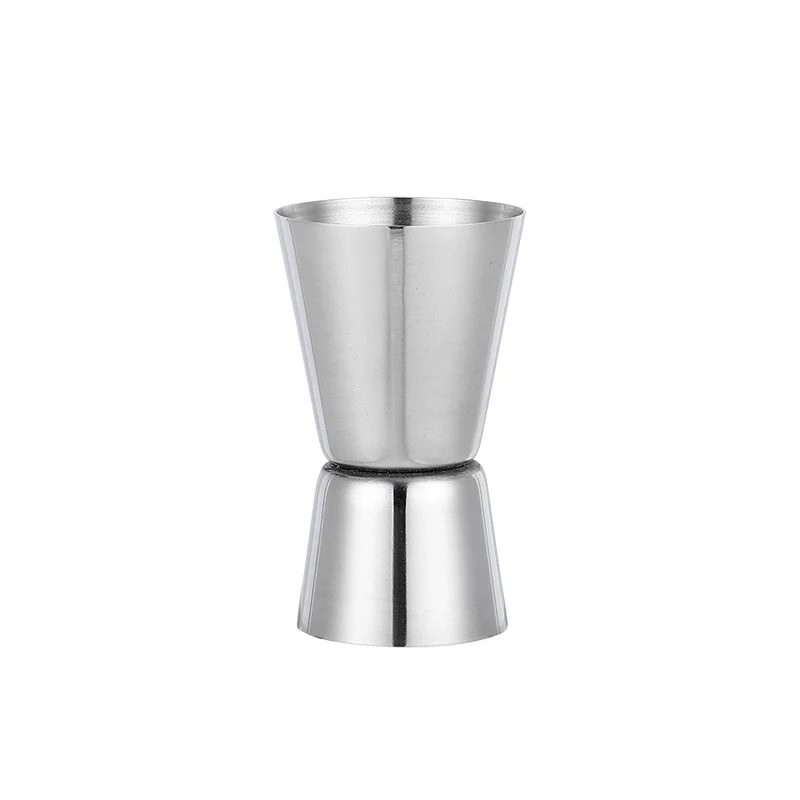
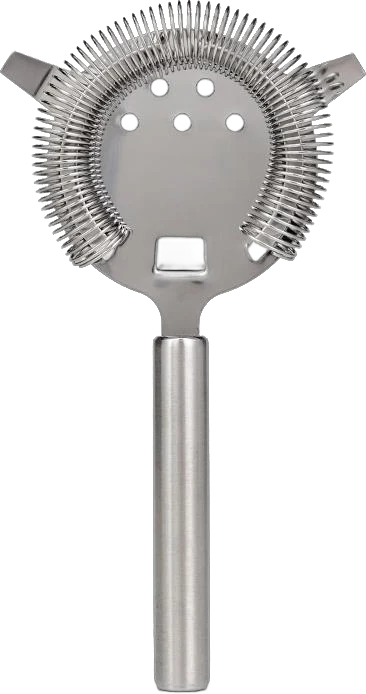
For a Manchen story-flight inquiry, send three build cards and identify the step at which each jigger, spoon and strainer is needed. The straight-rim jigger, twisted spoon and steel-handle strainer are comparison references; the flight plan determines duplicates and specifications.
Explore the relevant collections
Discuss your product brief ↗References & further reading
References for the reported developments and supporting techniques. Trial plans and buying worksheets are original editorial suggestions.
