Private label & sourcing
Carton CBM for barware: calculate the space before comparing freight
Use external packed dimensions and confirmed carton counts, and keep volume separate from chargeable weight and total landed cost.
Manchen editorial team · Updated
The short answer
Carton volume in cubic metres is external length × width × height measured in metres. Multiply by the number of identical cartons for their combined volume. This is a space calculation, not a freight quotation; actual charges also depend on weight, route, service and the carrier’s terms.
Use the packed outside dimensions
Measure the finished outer carton rather than the bare product, retail box or an unassembled carton blank. Include the actual packing arrangement and check whether the box bulges after filling. Length, width and height must use the same unit before multiplication. If the dimensions are recorded in centimetres, divide their product by one million to obtain cubic metres. Keep a labelled record of the packing version so later insert changes do not leave an obsolete volume in the shipping worksheet.
Work through one transparent example
Consider an illustrative carton measuring 40 × 30 × 25 cm. Its volume is 0.40 × 0.30 × 0.25 = 0.03 m³. Twenty identical cartons occupy a nominal 0.60 m³ before any extra pallet or handling allowance. If each carton holds six sets, that example contains 120 sets. These numbers are arithmetic examples only, not Manchen packing specifications. A different set, stand arrangement or protective insert can change both carton dimensions and the quantity it holds.
Keep volume, weight and charging rules distinct
Record carton gross weight separately from net product weight. A volumetric or dimensional-weight rule is a carrier charging method and may use a service-specific divisor; it is not the same thing as physical CBM. Ask the forwarder which basis applies and whether pallets, minimum charges, rounding or surcharges are included. Avoid applying a remembered air-express formula to sea freight or assuming that a small reduction in carton volume produces the same percentage reduction in the final invoice.
Compare packing versions at the same shipment level
A compact individual box can still produce inefficient outer-carton loading. Compare the complete shipment: sets per carton, cartons required, external dimensions, gross weight and any pallet arrangement. Verify whether the new design protects the tools as well as the old version before optimizing only for space. When asking for a freight estimate, send one consistent packing list with destination and service requirements. Mark estimates as provisional until the final packed dimensions and counts are confirmed.
Put it into practice
- Calculate with external packed dimensions in consistent units.
- Keep gross weight, CBM and chargeable basis separate.
- Compare complete shipment configurations.
Questions worth asking
Is the calculated CBM the guaranteed freight charge?
No. It describes nominal volume. Ask the forwarder for the applicable service, charging basis, rounding, minimums and other fees, using the final packing list.
Examples from the Manchen catalog
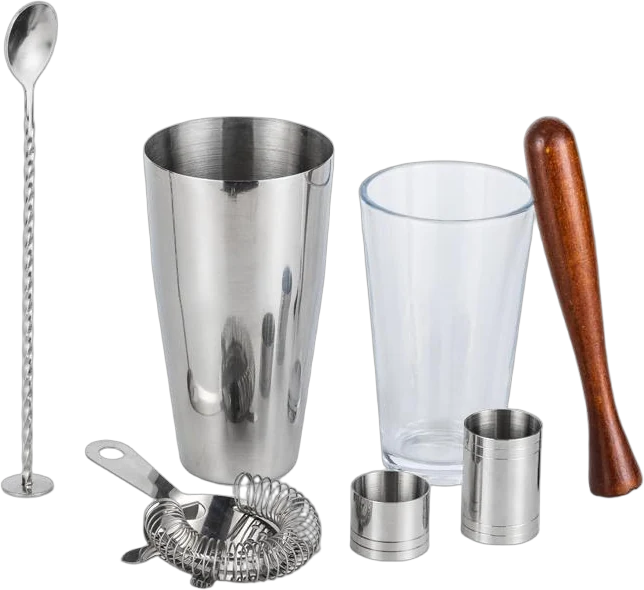
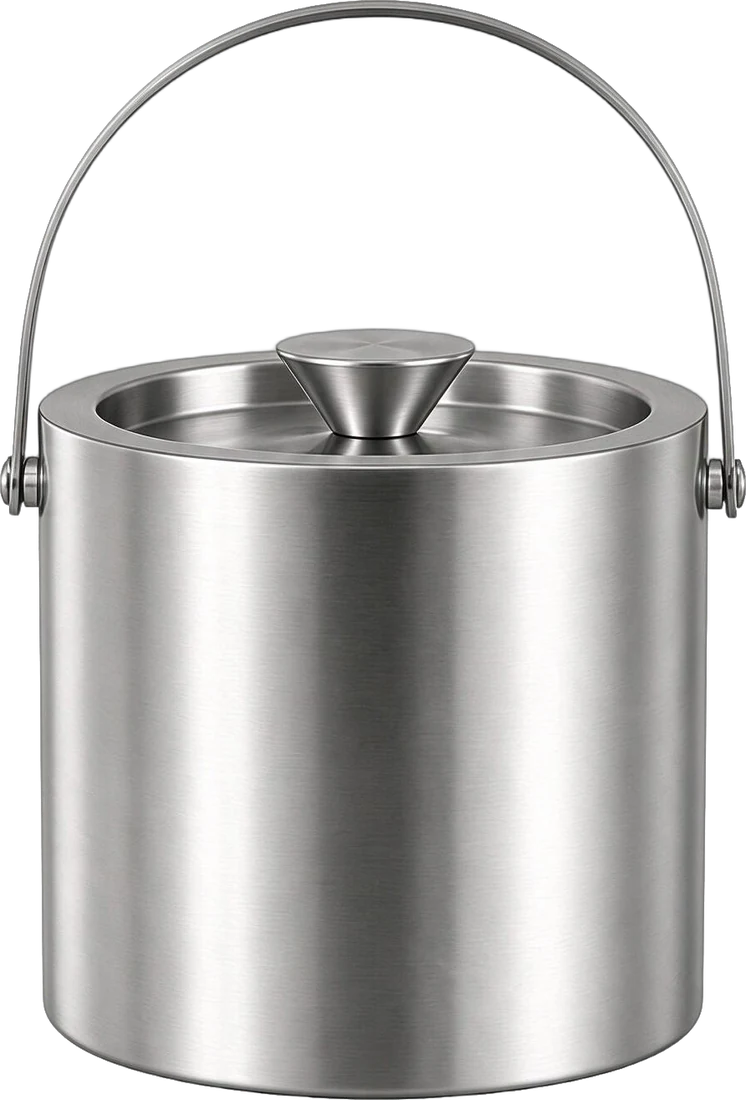
For Manchen stand sets and ice buckets, request the confirmed carton dimensions, gross weight and sets per carton for the selected packing version. These bulky or multi-part configurations benefit from shipment-level comparison. Use catalog data to start the discussion, then confirm the actual order arrangement before booking freight.

Explore the relevant collections
Discuss your product brief ↗References & further reading
These references explain general techniques and requirements. They do not establish certification or tested performance for a Manchen product.
