Mixing fundamentals
Shake or stir? Choosing a mixing method for the drink
Understand aeration, texture and clarity, then choose tools that fit the recipe rather than a rigid ingredient rule.
Manchen editorial team · Updated
The short answer
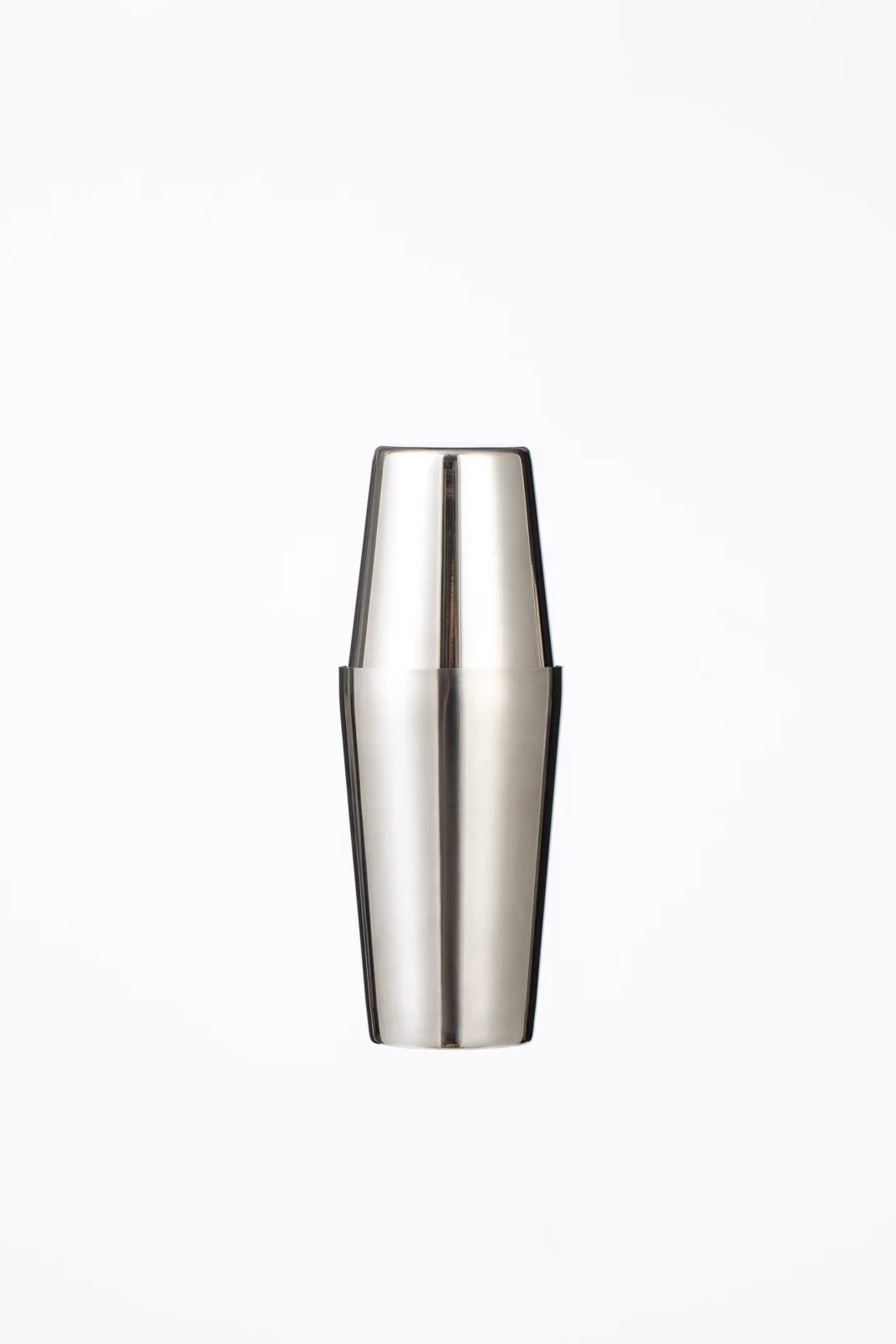
Shaking adds vigorous movement and aeration; stirring mixes more gently and usually preserves clarity. Start with the texture the recipe requires. Citrus or creamy mixtures often benefit from shaking, while many spirit-forward drinks are stirred. Neither method has one universal time or dilution level.
Decide what the finished drink should feel like
A mixing method is a texture decision as well as a cooling decision. Shaking moves liquid through ice, distributes ingredients and introduces small air bubbles. Stirring moves liquid around the ice with less disruption. Write down whether the drink should be bright and frothy, silky and clear, or deliberately cloudy. That description is more useful during tool selection than saying that a premium bar must own one particular style of shaker.
Read the recipe before applying shortcuts
“Juice means shake” is a useful starting point, not a complete recipe system. Carbonated ingredients are commonly added after mixing rather than shaken in a sealed vessel. Built drinks may need neither a shaker nor a separate mixing vessel. The IBA recipe collection illustrates several methods. Follow a specific recipe when training a team, and record any adaptation so that a tool change does not quietly become an untested recipe change.
Compare methods with a controlled trial
Prepare two equal recipe portions using the same ingredients, ice supply and serving glass. Change only the method, then compare appearance, temperature perception and texture immediately. Do not claim a precise dilution difference unless it was measured with a suitable method. Record the vessel, ice condition and final serving procedure. A short side-by-side trial often exposes an unsuitable strainer or awkward pour more clearly than reading a long equipment specification.
Build a toolkit around both workflows
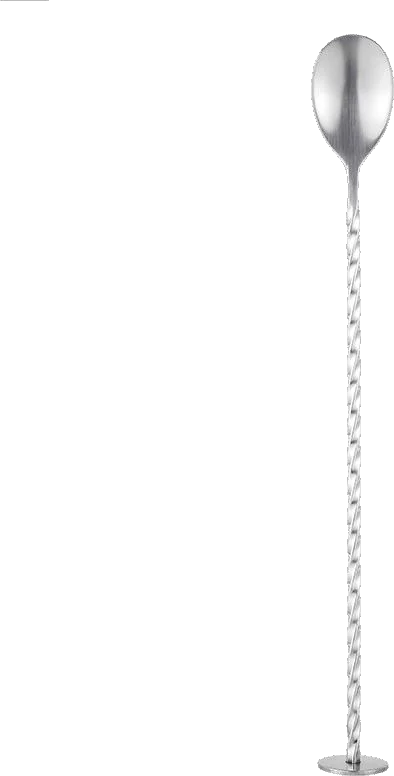
For shaken drinks, review the complete vessel pair or three-piece assembly and the strainer used for serving. For stirred drinks, review vessel depth, spoon clearance and the serving strainer. A shared jigger helps keep quantities consistent across both stations. Avoid buying a large set merely to increase the piece count: a second working vessel or spare strainer may contribute more than several decorative accessories that do not serve the menu.
Put it into practice
- Name the target texture and follow a tested recipe.
- Compare the complete mix-and-strain workflow.
- Keep carbonated ingredients out of a sealed shaking trial.
Questions worth asking
Does stirring mean no dilution?
No. Ice can melt during stirring as well as shaking. The actual result depends on temperature, ice, recipe and handling; assess the finished drink rather than assuming one method adds no water.
Examples from the Manchen catalog
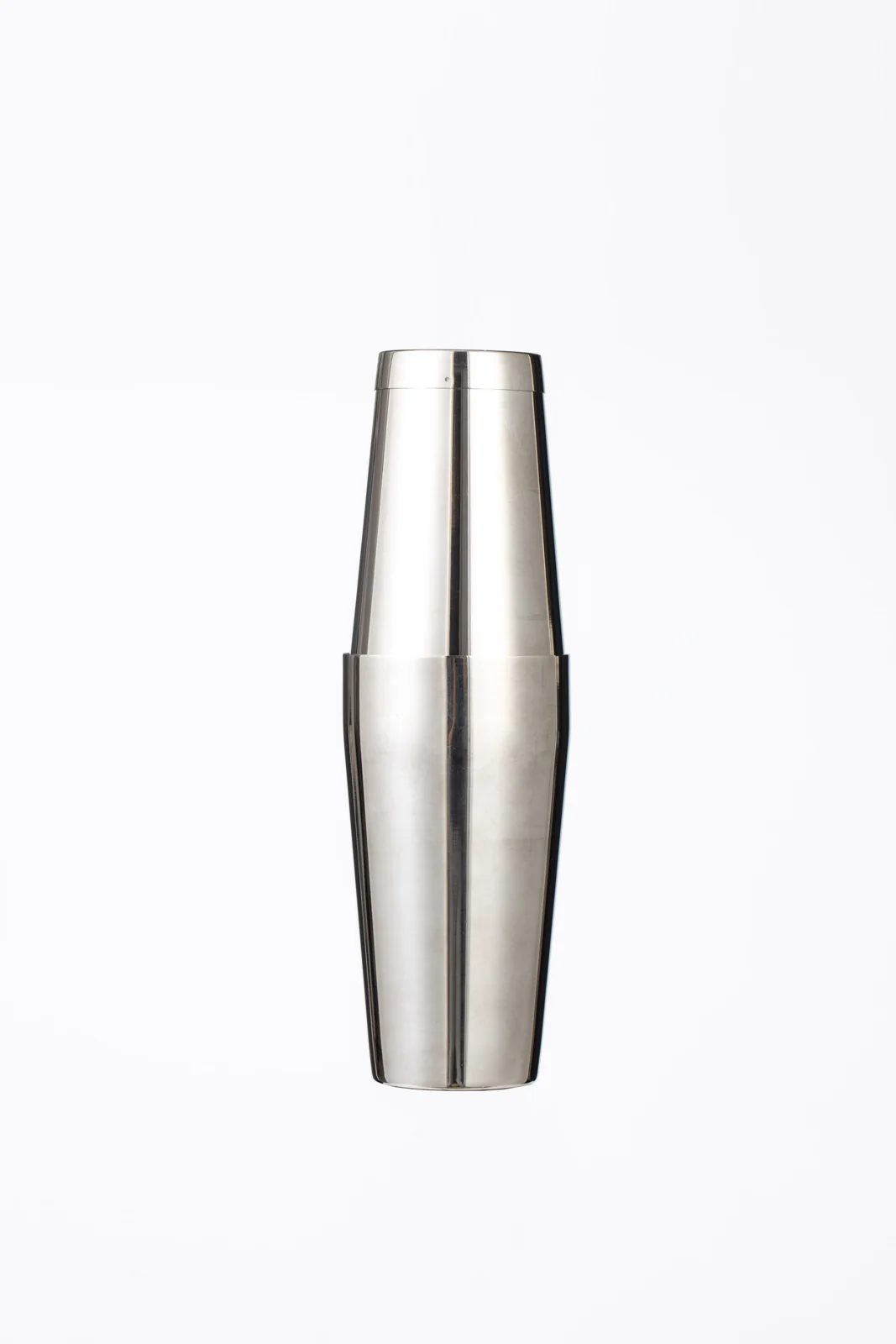
Use Manchen shaker and bar-tool collections to assemble the two workflows above. Compare a shaker, jigger, spoon and strainer as a working group, then test the chosen configuration with your menu. Catalog images identify possible tools; they do not certify a particular drink result.
Explore the relevant collections
Discuss your product brief ↗References & further reading
These references explain general techniques and requirements. They do not establish certification or tested performance for a Manchen product.
