Recent industry trends
RTDs at the venue: when the can and the glass serve different occasions
Define packaged and poured RTD service as explicit choices, with accurate product information, a complete presentation and a tested reset route.
Manchen editorial team · Updated
The short answer
A venue can serve an RTD in its original package or as a defined poured presentation, depending on the product and occasion. Specify what the guest receives in each option, including ice or garnish if offered. Test the actual glass and service sequence, and preserve the product identity rather than treating pouring as a change of recipe category.
Treat the format choice as part of service
IWSR’s RTD analysis published on 29 October 2026 discusses differences between direct-from-can consumption and pouring into a glass. Its study covers ten leading RTD markets. For a venue, that suggests giving the service format a deliberate role rather than assuming one presentation suits every guest.
Start by defining the occasion you serve: a table visit, an event, a short stop or a seated drink with food. Ask what the original package communicates and what a poured presentation adds operationally. The useful decision concerns clarity, handling and the venue’s offer, not a claim that one format automatically improves the liquid.
Create an illustrative two-route service sheet
Use an illustrative sheet with a packaged route and a poured route for one approved product. Record the product name, guest description, serving location, included accessories, return or disposal step and person responsible. For the poured route, add glass, ice decision, garnish and the point at which the package is opened.
Keep the sheet tied to the specific product. Package size and directions may differ across the range, so one generic instruction can leave staff improvising. The comparison should reveal exactly what changes between routes and which actions remain shared, such as confirming the order and communicating the drink’s identity.

Trial the actual package and serving vessel
For a poured presentation, evaluate the complete serve with the intended product and any additions. Check whether the selected vessel accommodates the planned liquid, ice and garnish in the way the venue intends. Record the approved fill position and a serving photograph; do not infer fit from the empty glass’s appearance.
Decide how staff respond if a guest requests the original package after the drink is poured, or asks to omit ice. Those requests can expose an undefined portion or explanation. A rehearsal lets the team settle the service wording and the handling sequence before the choice appears on the printed menu.
Keep product information visible
A poured RTD still needs an accurate name and description. State added ingredients clearly where the venue uses them, and keep current product information available for staff questions. A garnish should not cause a guest to mistake the drink for a different house-made recipe.
Ipsos’s August 2026 adult-beverage overview identifies convenience and flavor variety as themes in RTD innovation. Apply that insight by making ordering straightforward: a recognizable product, an understandable flavor description and a clear presentation option. Avoid requiring a long explanation simply because a packaged drink has moved into a glass.
Plan the reset and review the whole occasion
Walk the service route after the drink reaches the guest. Identify where empty packaging, used glassware and garnish tools return, and who restores the station. The original-package route and poured route may create different tasks, which should be visible when estimating working tools and service capacity.
During a limited pilot, note requests, presentation corrections, missing accessories and reset problems. Review those alongside the guest’s chosen format. Keep the route that fits the venue and adjust any confusing choice. The result should be a deliberate service offer with a specific tool brief, rather than an elaborate presentation added without considering what happens afterward.
Put it into practice
- Write separate original-package and poured service routes.
- Trial the actual product, glass and optional additions.
- Preserve product identity and current ingredient information.
- Include packaging and glassware in the reset plan.
Questions worth asking
Does pouring an RTD into a glass make it a house cocktail?
No. Describe the product and any venue additions accurately. A different vessel changes the presentation, while the liquid’s identity still comes from the actual product and recipe. Guests should be able to understand what they are ordering without relying on the package being visible.
Should ice and garnish be automatic for every RTD?
Set the service from the particular product, directions and approved venue presentation. Trial any additions and state them clearly. A defined no-addition route may be appropriate for one product, while another has a deliberate poured serve; avoid applying one template across the entire range.
Examples from the Manchen catalog
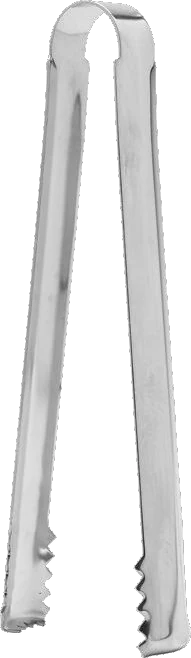
Manchen ice tongs catalog-p26-r04 and bar tweezers catalog-p30-r02 are possible sample references where the approved poured RTD route includes ice and garnish handling. Compare them with the venue’s actual serving vessel and reset arrangement. Select only the pieces that the route requires, with specifications confirmed during the inquiry.
Explore the relevant collections
Discuss your product brief ↗References & further reading
References for the reported developments and supporting techniques. Trial plans and buying worksheets are original editorial suggestions.
