Bar setups & service
Small bar workstation layouts: reduce crossing and searching
Arrange measuring, mixing, serving and used-tool return around the actual menu, with clean and dirty paths considered from the start.
Manchen editorial team · Updated
The short answer
A compact workstation works when frequently used tools have clear positions and the preparation sequence does not repeatedly cross the used-tool return. Start with a simple task map, test the reach with real vessels, and preserve the cleaning and protected-storage arrangements required by the operation.
Draw the drink before drawing the furniture
Take a representative order from ingredient selection through measuring, mixing, straining and handoff. Mark where the operator reaches at each step and where used tools go afterwards. Do this for both shaken and built drinks, because their tool paths differ. A layout based only on photographs may place a rarely used display item within easy reach while forcing the bartender to turn for every jigger. Prioritize repeated actions rather than filling every empty counter area.
Create a clear clean-to-used direction
Provide protected locations for ready tools and a distinct route for items awaiting the approved cleaning process. Avoid placing used vessels where they must be lifted over clean glassware or edible ice. This is a layout objective, not a substitute for the establishment’s sanitation procedure. FDA’s Food Code is a model offered for adoption; the applicable jurisdiction and venue determine the detailed controls. Confirm those requirements before a movable countertop arrangement makes the required process difficult.
Test reach and clearance with full-size items
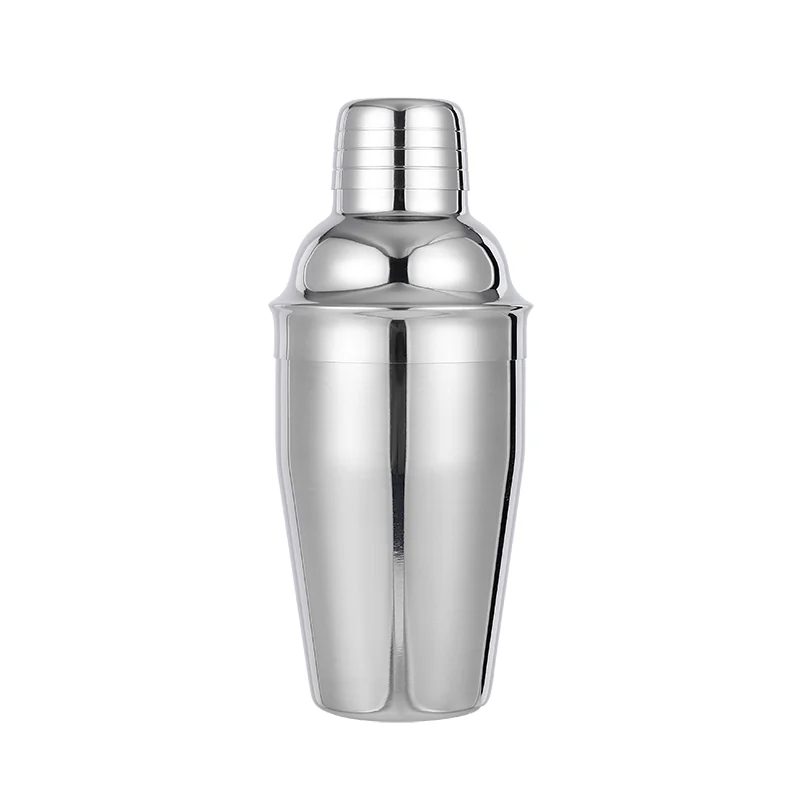
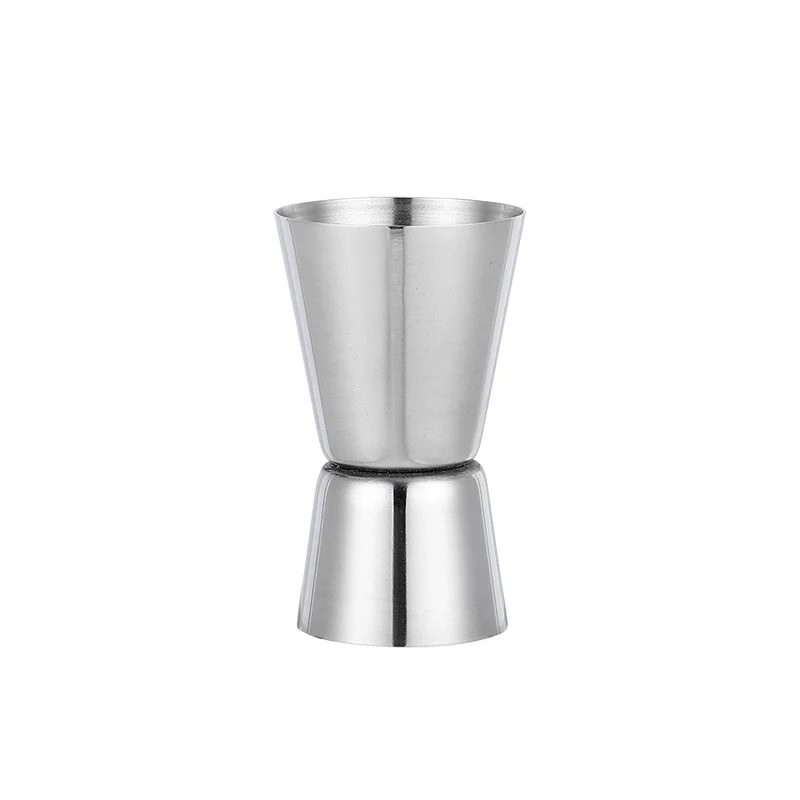
Use the actual shaker, tall spoon, bucket and serving glasses when trying the layout. Opening a shaker or removing a spoon requires more space than storing it. Check whether cabinet edges, bottle rows or a second employee obstruct the motion. For a shared station, rehearse one person serving while another returns tools. Do not solve a space conflict by stacking wet or ready-to-use items wherever they happen to fit; reconsider allocation or menu preparation instead.
Keep positions understandable during a rush
A useful workstation survives more than one operator. Use an agreed position map, simple labels where appropriate and a defined place for spares. Test whether someone unfamiliar with the setup can find a tool and return it correctly. Review congestion after a realistic trial and change one element at a time so the effect is clear. A small bar benefits from fewer unnecessary handoffs, but any claim of faster service should be based on an actual measured comparison.
Put it into practice
- Map a shaken and a built drink from start to finish.
- Separate ready tools from used-tool return.
- Test reach with full-size tools and two operators.
Questions worth asking
Is the most compact arrangement always best?
No. Storage density can conflict with safe handling, cleaning and tool access. Compare the operating envelope, not only the footprint of items resting on the counter.
Examples from the Manchen catalog
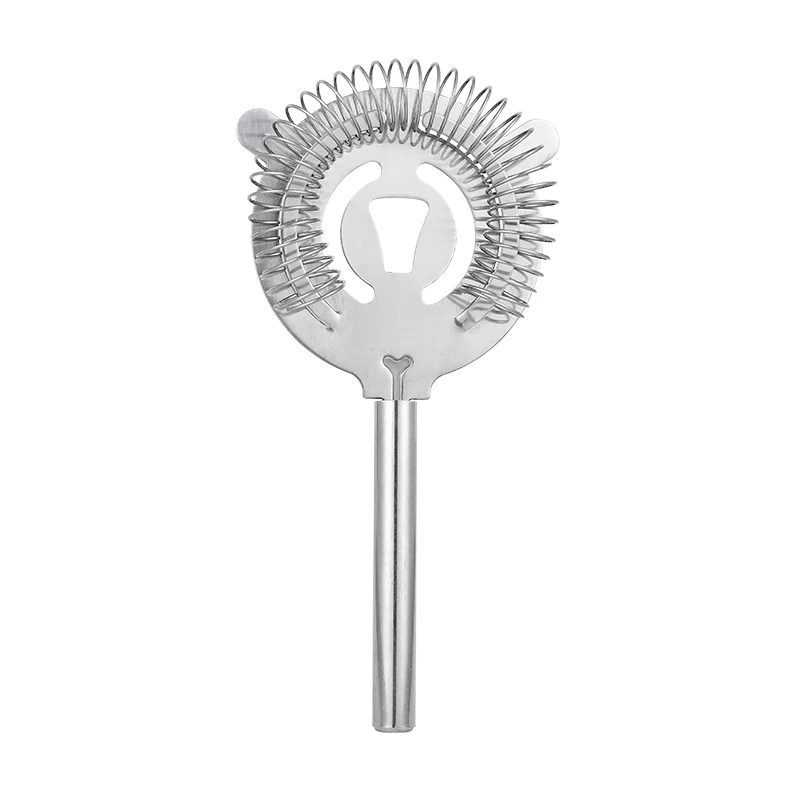
Use Manchen product dimensions and reference images to build a physical mock-up of the station. Shortlist the shaker, jigger, spoon and bucket together, then confirm actual samples fit the working area. A visually coordinated assortment is useful only when its components can be reached, used and returned without awkward crossings.
Explore the relevant collections
Discuss your product brief ↗References & further reading
These references explain general techniques and requirements. They do not establish certification or tested performance for a Manchen product.
