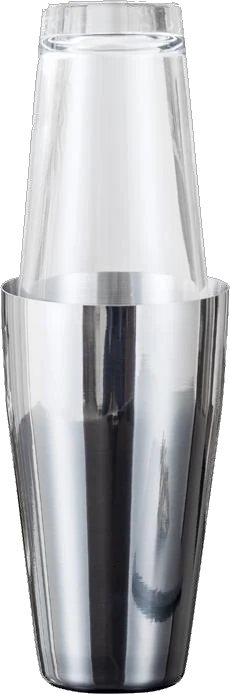
Tools & selection
Weighted and unweighted shaker tins: what actually changes?
Compare balance, construction and handling without treating a heavier base as a universal professional upgrade.
Manchen editorial team · Updated
The short answer
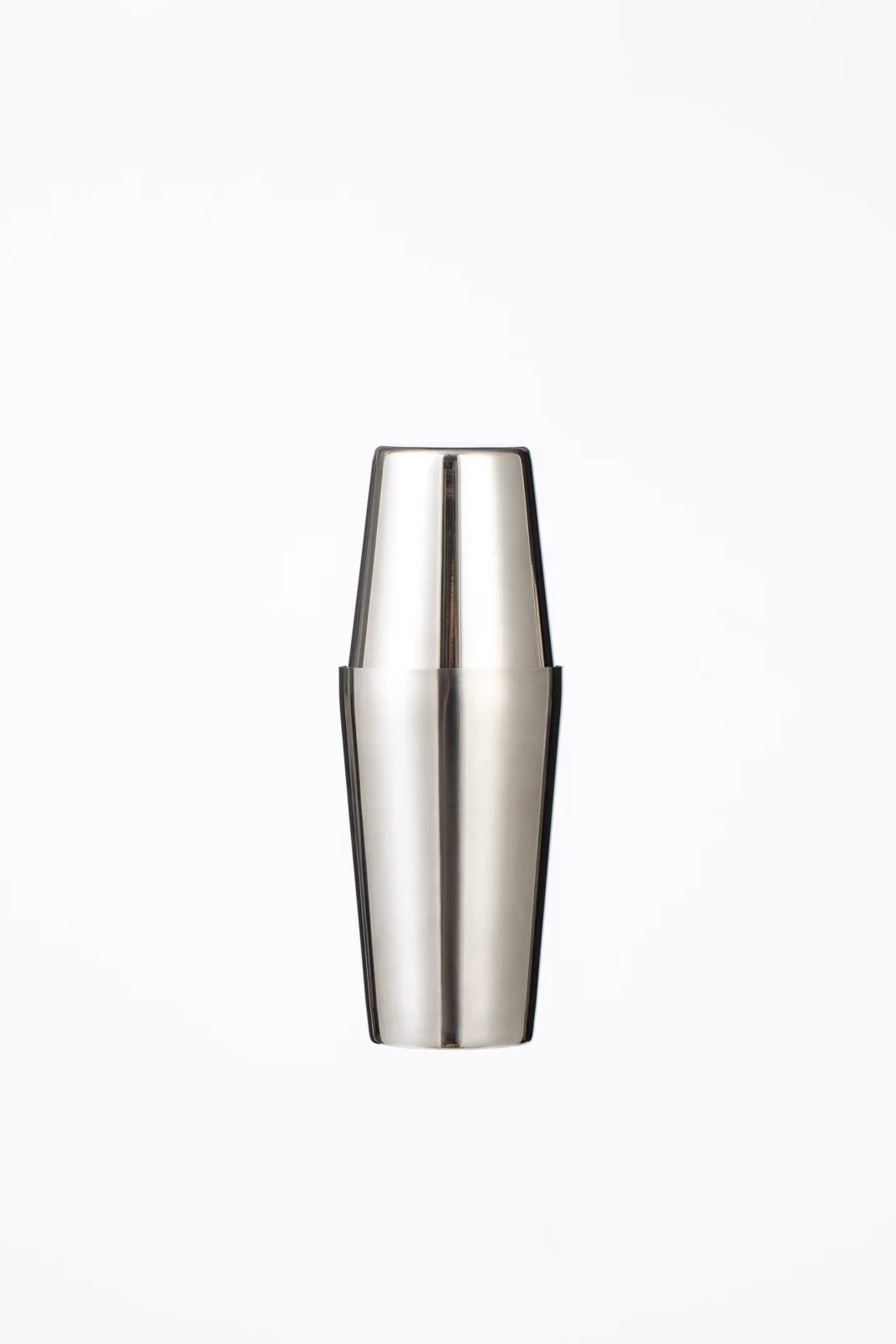
A weighted base changes the mass and balance of a shaker tin. That can alter how it feels on the counter and in the hand, but does not by itself prove a better seal, faster chilling or greater durability. Compare the matched tin pair using the intended workflow.
Separate base weight from wall thickness
A tin can have an added base element without a corresponding increase in wall thickness. Conversely, a thicker vessel may feel heavier without the same balance as a weighted base. Ask for the construction description, total product weight and relevant dimensions as distinct fields. A photograph of a flat bottom cannot confirm how it is assembled. If the choice matters to your brand story, verify the sample and drawing before using terms such as “heavy gauge” or “reinforced.”
Evaluate the balance through the whole sequence
Check picking up the tin, measuring into it, fitting the partner vessel, shaking, opening and pouring. A mass distribution that feels stable when empty can feel different with ice and liquid inside. Several operators should try the same load, especially if their grip sizes differ. Note fatigue and control over repeated cycles rather than judging one impressive shake. A procurement decision should reflect the team’s real use, not a preference copied from a product trend.
Treat the mating joint as its own requirement
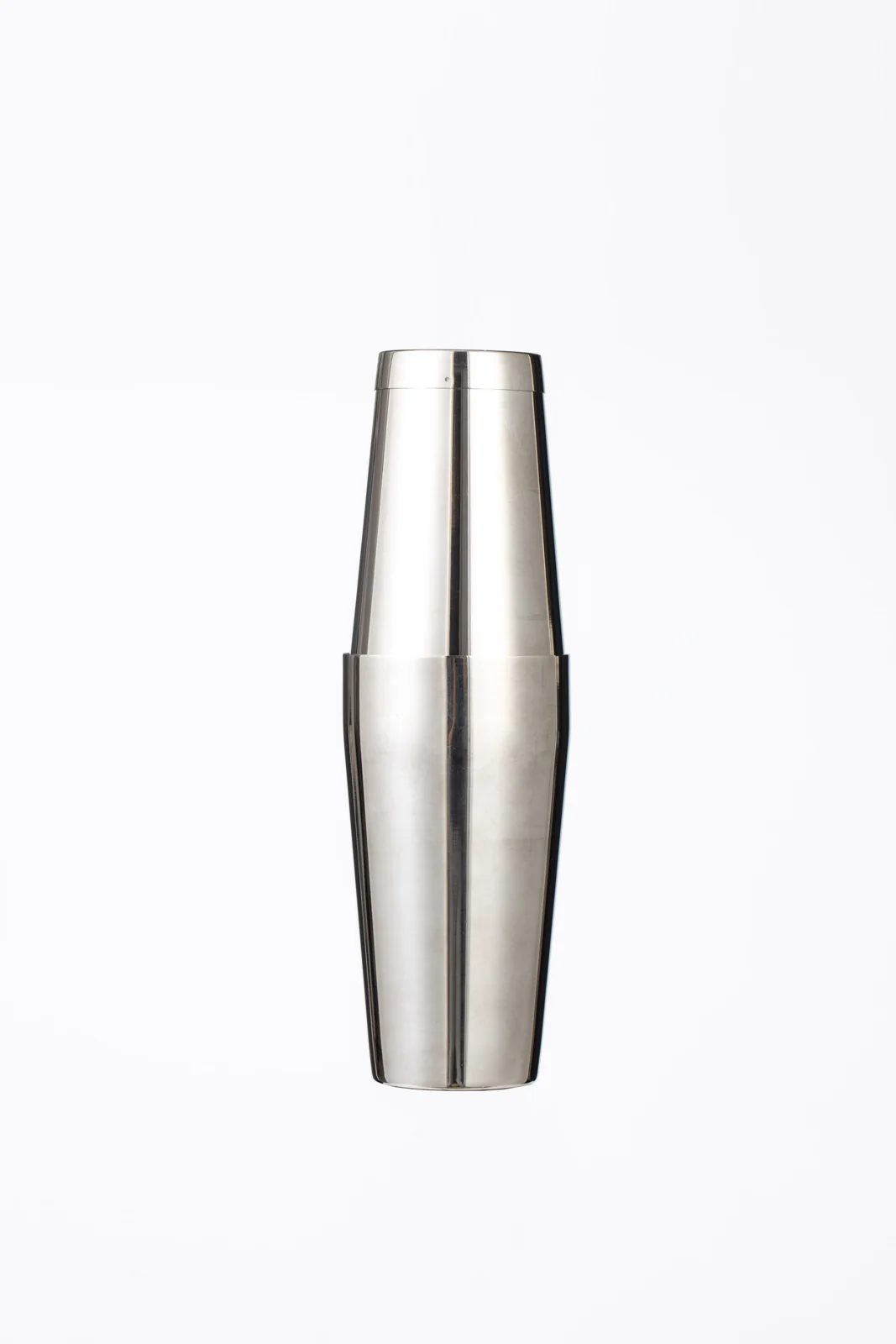
The seal and release depend on the geometry and compatibility of the two vessels, not just the weight added at the bottom. Do not mix a new tin with an arbitrary existing partner and assume the result represents the quoted pair. Request samples of the complete assembly and specify how replacement parts will be identified. Keep a successful opening technique in training, while rejecting pairs that require unsafe force or have visibly damaged rims.
Inspect details that survive the sales photograph
Look for accessible surfaces around the base, finish consistency, stable resting and any construction detail that complicates cleaning. Confirm the care instructions for that exact product and finish. For retail packaging, a heavier item also affects the supported load and protective arrangement. Describe verified differences in factual language, such as mass and construction, rather than claiming that weight alone makes drinks colder or the user more skilled.
Put it into practice
- Request weight and wall information separately.
- Trial the matched pair with a realistic load.
- Inspect base details and replacement compatibility.
Questions worth asking
Does a weighted base mean a thicker shaker?
No. Added base mass and wall thickness are different construction choices. Ask for both if they matter to your acceptance criteria.
Examples from the Manchen catalog
In a Manchen shaker inquiry, identify the preferred tin pair and ask which base constructions are available. Compare sample mass, balance, fit and packaging together. Confirm the exact option in the quotation rather than assigning a weighted construction to an entire photographed series.