Mixing fundamentals
Muddling herbs and fruit: choose pressure before power
Match the muddler head, vessel and ingredient so that extraction does not become uncontrolled crushing.
Manchen editorial team · Updated
The short answer
Muddling releases juices and aromas through pressure. Tender herbs, citrus pieces and firm fruit need different treatment. Choose a comfortable muddler and a suitable sturdy vessel, follow the recipe, and stop at the intended texture rather than applying maximum force.
Distinguish expression from pulverizing
The useful question is what the ingredient should contribute: a small amount of aroma, released juice or a deliberately textured fruit base. These outcomes do not require the same motion. Repeated heavy crushing of a tender leaf can create a different result from a gentle press. Compare a small trial at two pressure levels using the same ingredient batch. Record the preferred outcome as a visible description that staff can reproduce rather than a vague instruction to “muddle well.”
Match the head to the ingredient and vessel
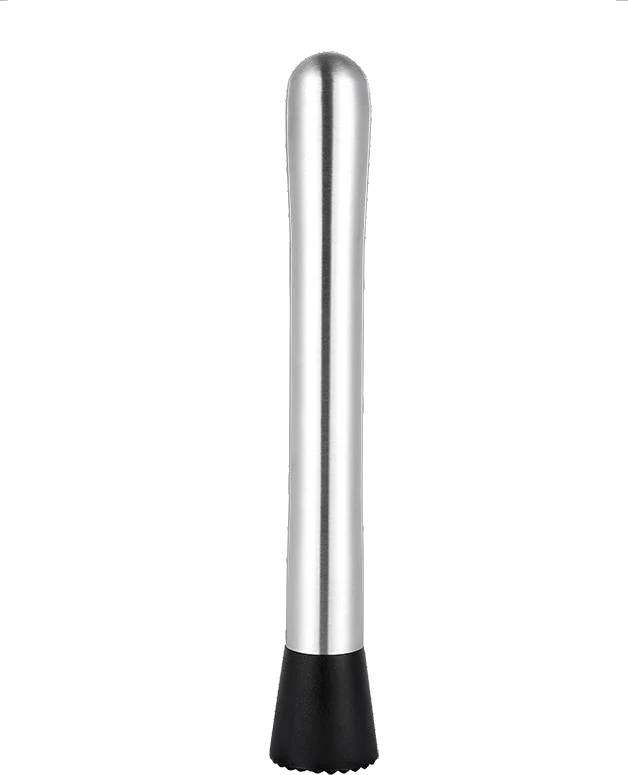
Smooth and textured heads offer different contact patterns. Neither is automatically best for every menu. Check head diameter against the vessel opening and whether the operator can reach the ingredients without striking the rim. The handle should remain clear of the liquid and allow a controlled grip. Confirm the material of each component rather than assuming a metallic-looking handle means the entire tool is one kind of stainless steel.

Protect the vessel and the operator
Use a vessel suitable for the action and inspect it for chips or cracks first. Do not brace a fragile drinking glass with excessive force or use impact as a substitute for controlled pressure. A damaged rim can become a safety problem. Train staff to work on a stable surface and to keep fingers clear of the pressing area. If a new recipe needs much greater force, reconsider the preparation method rather than buying a heavier tool without testing.
Plan residue removal and between-recipe cleaning
Textured heads and joints can retain pulp or leaf pieces. Check these areas under good light after cleaning. Follow approved procedures for cleaning and sanitizing, and account for ingredient cross-contact when moving between recipes. Wooden or coated components may require different care from a plain metal handle. A retail instruction should show both how to use the tool and how to inspect it before storing it fully dry.
Put it into practice
- Define the desired aroma, juice or texture.
- Check head diameter, handle reach and vessel condition.
- Inspect grooves and joints for retained ingredients.
Questions worth asking
Is a toothed muddler always better?
No. Head texture changes contact and cleanup. Trial both against the intended ingredient and stop when the recipe’s extraction and texture are achieved.
Examples from the Manchen catalog
Use Manchen muddler and cocktail-set images to compare head shapes and handle arrangements. Request the component materials and cleaning instructions for the exact choice. When assembling a branded kit, pair the muddler with an instruction that explains suitable use rather than advertising unlimited crushing power.

Explore the relevant collections
Discuss your product brief ↗References & further reading
These references explain general techniques and requirements. They do not establish certification or tested performance for a Manchen product.
