Materials & care
How to clean stainless cocktail tools without damaging the finish
A practical sequence for removing residues, reaching small parts and checking the finished tool, with care advice separated from foodservice sanitizing requirements.
Manchen editorial team · Updated
The short answer
Start with the instructions for the complete tool. Remove residues, wash with a compatible mild detergent using suitable soft implements, rinse as directed and complete the required sanitizing and drying steps for the setting. Pay particular attention to rims, springs and markings. Avoid turning an ordinary cleaning task into aggressive polishing or unapproved chemical treatment.
Begin with residues and safe disassembly
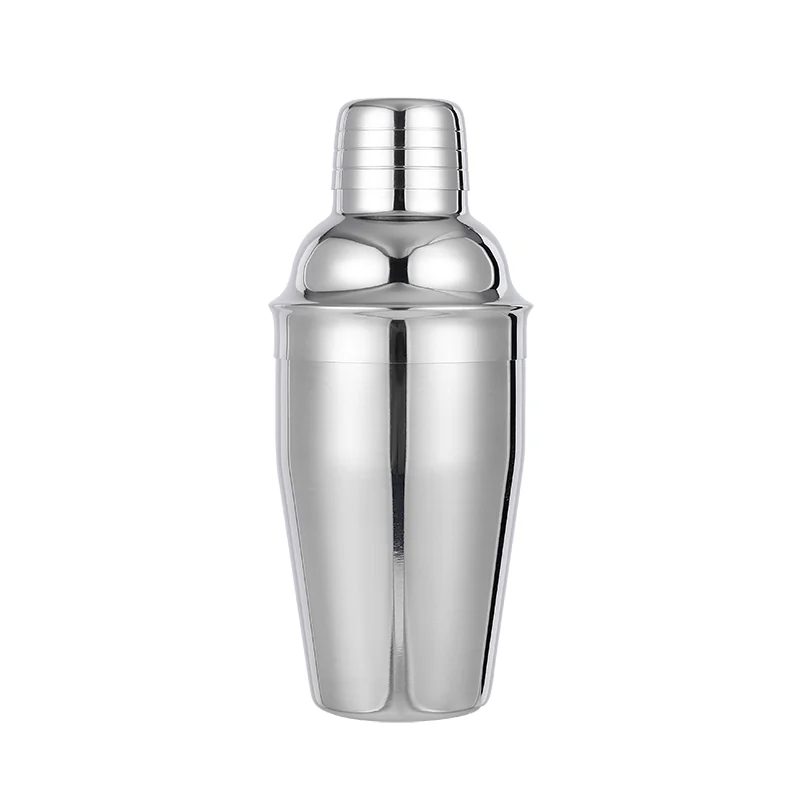
Empty the vessel and remove loose fruit, herbs and ice using the establishment’s disposal procedure. Separate components only where the tool is designed to come apart. A cobbler cap, removable strainer spring and threaded accessory need different handling; forcing a joint can damage its fit. Keep small parts in an identifiable washing basket so they do not disappear into mixed equipment. Check the instructions for coated or mixed-material tools before assuming that every piece can share the same soak or machine cycle.
Use the mildest approved routine that removes soil
BSSA describes warm water and mild detergent as a normal starting point for light soil on stainless surfaces. Use a clean soft cloth, appropriate brush or non-scratching implement compatible with the tool. Follow the cleaning product’s directions rather than guessing concentration. Ordinary steel wool and previously contaminated pads can introduce iron particles. Do not mix chemicals or borrow a strong workshop treatment for a food-contact utensil. If a stubborn deposit remains, identify it and ask for a product-compatible method.
Inspect the places a quick rinse misses
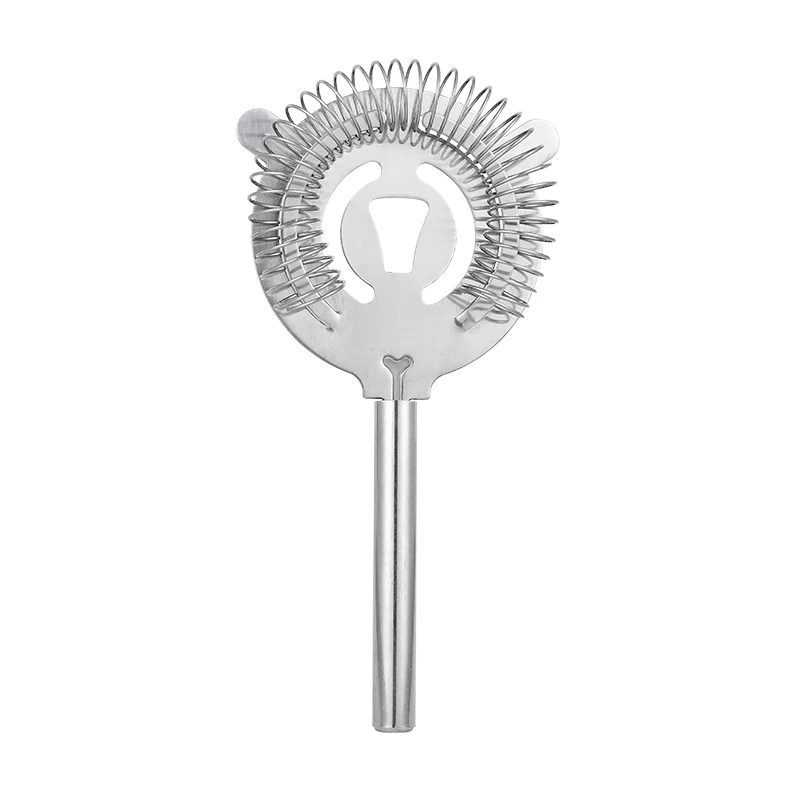
Look inside jigger cups, around shaker shoulders, beneath removable springs and along spoon-to-handle joints. Syrup films can be difficult to see on a wet shiny surface, so inspect under good light and use an appropriate soil check within the establishment’s routine. Measurement marks should remain readable, and mating rims should be free from trapped residue. Do not enlarge holes or scrape a measuring line to make cleaning easier. Damaged or persistently rough food-contact areas should be assessed before the tool returns to service.
Finish the hygiene process and protect the clean tool
Cleaning and sanitizing are related but separate tasks. Commercial operators should follow the locally applicable procedure, including the approved chemical or machine process and its instructions. FDA’s Food Code is a model reference, not proof that one rule applies everywhere. After the required steps, use the approved drying arrangement and protect food-contact surfaces from dirty cloths, hands and splash. Reassemble only once the specified drying is complete. A clean tool placed back into a dirty stand has not completed a useful cleaning workflow.
Put it into practice
- Check which parts are designed to be removed.
- Inspect rims, springs, joints and measurement marks.
- Complete the required sanitizing and protected drying steps.
Questions worth asking
Can I soak a sticky shaker overnight?
Do not make prolonged soaking the default. Confirm compatibility and permitted exposure in the care instructions, especially for coatings and joints. Remove soil promptly using the approved routine instead of relying on an unattended soak.
Examples from the Manchen catalog
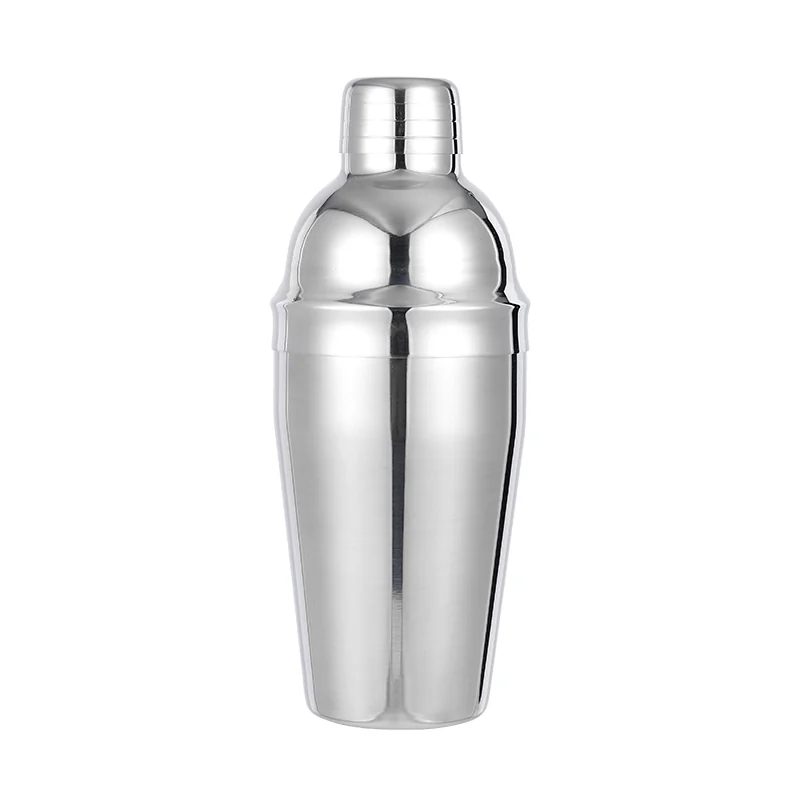
When choosing Manchen tools for a busy bar, compare cleaning access as well as shape. Review the exact shaker assembly, jigger markings and strainer spring with the team. For a retail kit, request clear care text for the selected components so the insert describes the actual products supplied.
Explore the relevant collections
Discuss your product brief ↗References & further reading
These references explain general techniques and requirements. They do not establish certification or tested performance for a Manchen product.
