Bar setups & service
Ice bucket insulation and condensation: what construction can tell you
Distinguish single walls, double walls and verified thermal performance before making a dry-exterior or ice-retention promise.
Manchen editorial team · Updated
The short answer
Wall construction can influence heat transfer and the exterior surface temperature, but appearance alone cannot establish insulation. Double walls do not automatically mean vacuum insulation, and condensation depends on the environment as well as the product. Confirm the construction and test the exact setup before publishing performance claims.
Describe the construction precisely
Ask whether the bucket has a single wall, a separated double-wall arrangement or another specified construction. If vacuum insulation is claimed, request documentation for that particular configuration rather than inferring it from two visible layers. The base, rim, handle attachments and lid also affect the complete object. Product weight and a metallic sound are not dependable substitutes for a clear construction description. Keep verified structure separate from any untested promise about holding time.
Understand why condensation is a system effect
Moisture can form when surrounding air meets an exterior surface cold enough for water vapour to condense. That means room temperature, humidity, initial contents and handling all matter. The same bucket can behave differently in an air-conditioned dining room and a humid outdoor event. A visible gap between walls may reduce one path of heat transfer, but it does not justify a universal claim that the exterior will always remain dry under every condition.
Define a realistic comparison before testing
Use the same ice amount and condition, the same starting contents and comparable ambient conditions when evaluating samples. Record whether lids are used and how often the bucket is opened or replenished. Decide what the result should describe: visible exterior moisture, ice remaining at an agreed observation point, or user handling. These are different questions. An internal trial can guide selection, but claims intended for marketing may need more rigorous methods and suitable evidence.
Plan for moisture even before making a claim
Consider the service surface, carrying route and how staff will respond to external moisture or spills. A tray or suitable surface arrangement may be part of the venue’s setup, provided it does not compromise stability or cleaning. Do not use decorative wrapping to hide a wet exterior during a trial and then report the uncovered bucket as condensation-free. Record the exact lid, finish and accessory version tested so a later configuration change does not inherit an unrelated result.
Put it into practice
- Confirm wall construction and any vacuum claim separately.
- Record humidity, contents and lid use in comparisons.
- Limit claims to the tested configuration and conditions.
Questions worth asking
Does double-wall automatically mean no condensation?
No. It describes a construction feature, not a universal outcome. Exterior moisture depends on the complete product, contents and surrounding conditions. Test and document the intended use.
Examples from the Manchen catalog
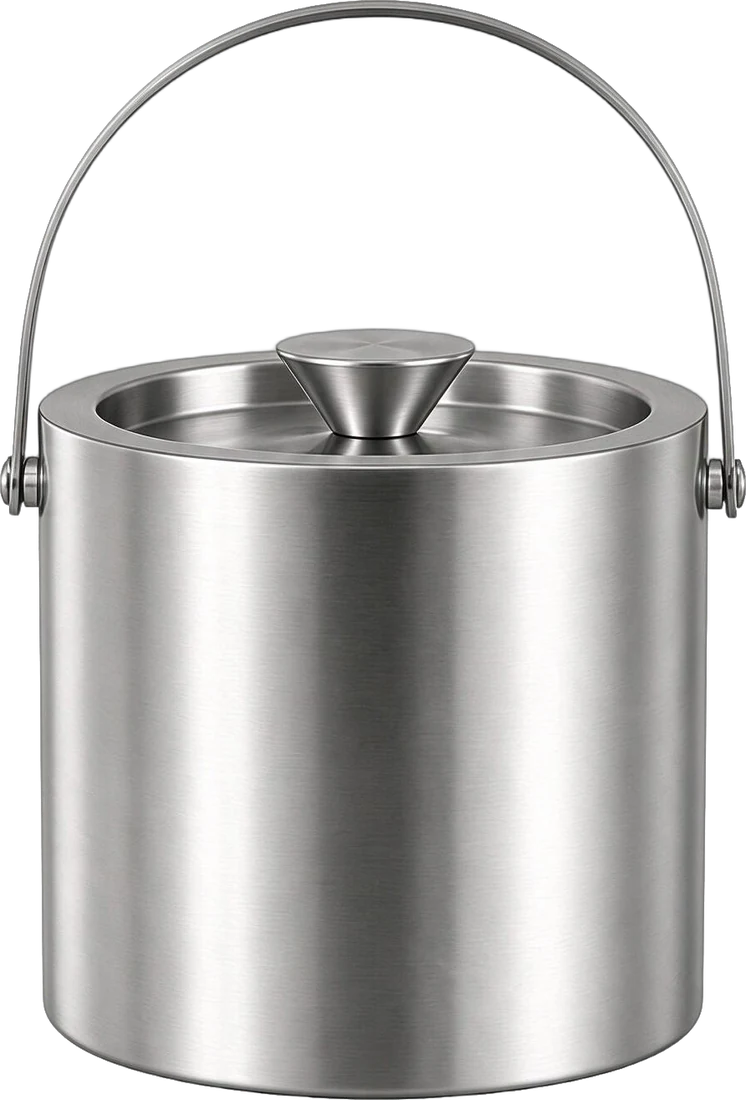
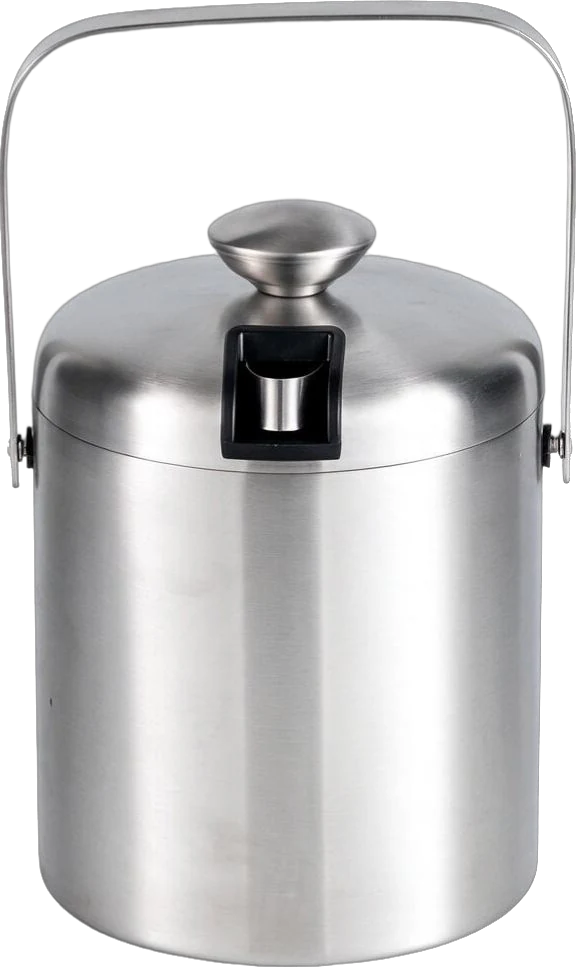
When comparing Manchen ice buckets, request the construction details for the selected reference and separate them from any requested thermal claim. Send the service environment and intended contents with the sample brief. Photographs can help select shape and appearance; they cannot verify vacuum, condensation resistance or a specific holding duration.
Explore the relevant collections
Discuss your product brief ↗References & further reading
These references explain general techniques and requirements. They do not establish certification or tested performance for a Manchen product.
