Recent industry trends
Spicy and fruit-led classics: refreshing a menu without multiplying the tool kit
Keep a familiar cocktail as the anchor, then compare a small number of defined flavor variations through a structured menu pilot.
Manchen editorial team · Updated
The short answer
A classic-variation pilot works best when the base drink remains identifiable and every change has a purpose. Define the flavor addition, the preparation it creates and the way guests choose it. Compare the variants under one workflow, then purchase only the tools needed by the recipes that survive the pilot.
Use the classic as an understandable anchor
Ground Signal’s 2026 Q2 menu review points to spicy and fruit-led Margarita variations and modern Martini variations in independent US venues. The practical opportunity is to examine how a familiar drink name can introduce a deliberate new choice on your own menu.
Begin with a reference that the team already understands. Write what makes that drink recognizable to a guest: its flavor balance, serve and description. A variation should then state what changes. This prevents a menu from becoming a list of similar names whose differences only the recipe developer can explain.
Build an illustrative base-and-variation matrix
An illustrative matrix could compare a reference Margarita with one fruit-led version and one spice-led version. Columns should cover the changed component, intended sensory difference, measuring task, ingredient information, garnish and menu wording. The IBA Margarita page provides a useful official reference for the shaken classic, without defining the house variations.
Read the rows as a group. If two versions create the same guest choice, simplify them. If a variation adds a separate preparation step, identify who owns it. This matrix is a development tool, not a fixed recipe or a forecast that three options will outperform one.

Make spice a measured decision
Choose an approved ingredient and amount for the spice-led version. Write down whether the component is added during mixing, used in the garnish or offered separately, because those decisions change both the service and the explanation. Avoid a vague instruction such as “make it spicy” when the intended experience depends on a specific addition.
Use the same discipline for fruit components. A juice, purée and garnish are different recipe elements even when they carry the same fruit name. Check the actual product and keep the approved version on the recipe card, so a supplier change triggers a review rather than an unnoticed alteration.
Keep the preparation system legible
Give every prepared component an explicit identity and follow the venue’s applicable ingredient-handling procedures. Where a recipe introduces ingredients that require additional controls or customer information, include those actions in the pilot. Staff should be able to identify the right component without tasting or guessing.
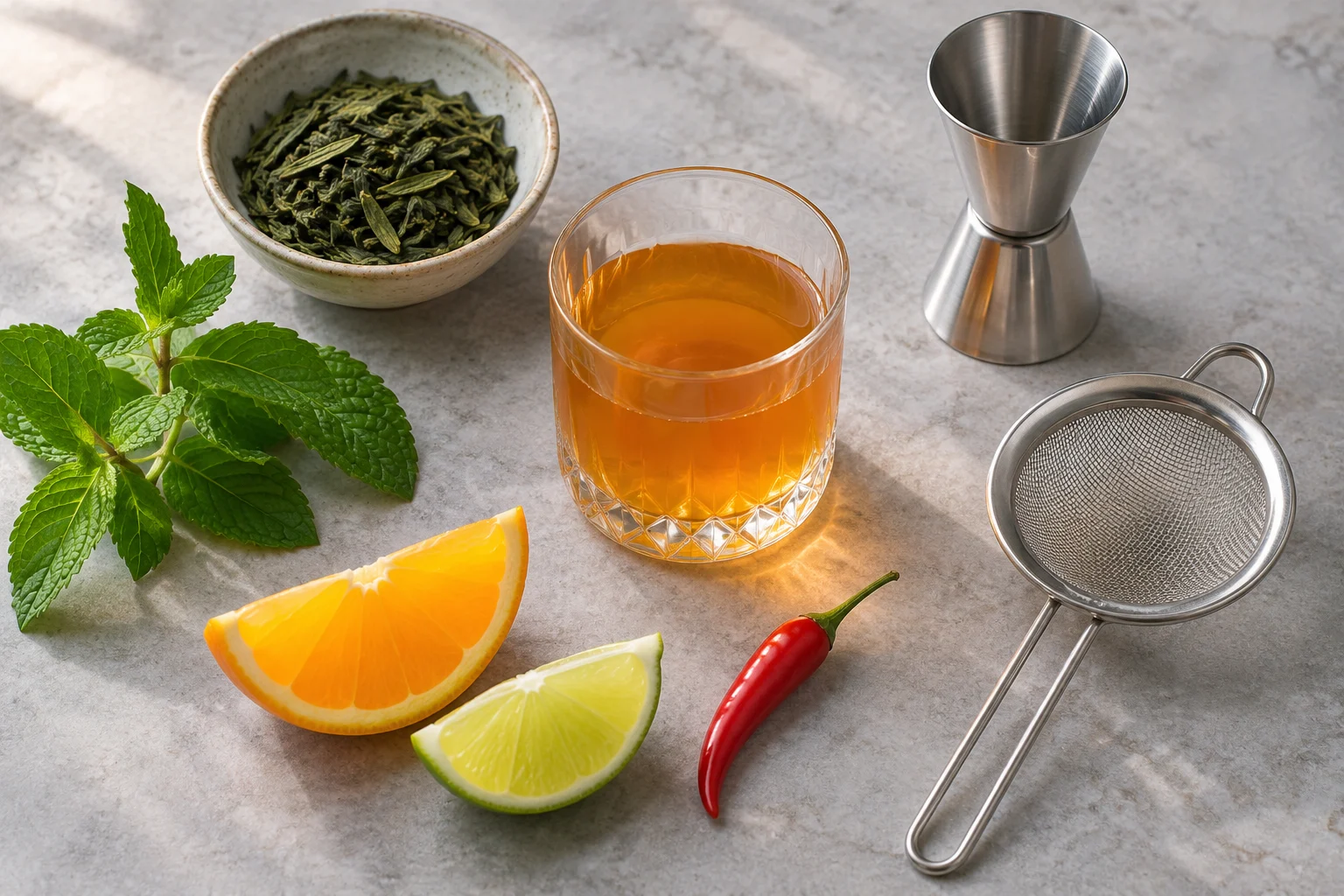
Test the selected shaker, jigger and straining arrangement using the actual components. A liquid addition and a pulpy preparation can create different handling tasks. Record what the chosen tools do in the trial and where an extra step is needed; a flavor trend alone does not determine which strainer or vessel belongs in the order.
Review clarity and execution together
During the pilot, record which descriptions guests ask about and which versions staff confuse. Add preparation notes beside that feedback. A popular idea that requires frequent verbal correction may need a better name, while an attractive name may be hiding a recipe the team cannot yet deliver consistently.
Approve the final variants as complete service cards, including the reference drink. Keep a photograph, measured additions, ingredient identity and reset sequence together. The resulting tool brief can distinguish shared working pieces from pieces genuinely required by a variation, allowing the menu to develop without automatically multiplying the whole station.
Put it into practice
- Define one reference drink and each intended flavor change.
- Record exact component identity and measuring action.
- Test real fruit or spice preparations with the selected tools.
- Review menu questions alongside preparation notes.
Questions worth asking
Should spicy and fruit-led versions share the classic’s name?
Use the familiar name when it helps guests understand the reference, and add wording that makes the change clear. If the finished drink differs substantially, a separate house name with a concise description may be easier to navigate than stretching the classic label too far.
Does a fruit variation always need a fine sieve?
No. Decide from the actual preparation and desired finished texture. Trial the recipe with the proposed straining setup, then document the approved result. A clear juice addition and a pulpy fruit preparation should not be assigned the same tool requirement merely because both are fruit flavored.
Examples from the Manchen catalog
Use Manchen’s classic cobbler shaker, marked double jigger catalog-p22-r02 and fine-mesh sieve catalog-p26-r01 as possible sample references for the approved variation cards. Compare their actual fit and handling with the base and changed components. The matrix makes the inquiry more precise by showing which tools are shared and which require separate evaluation.


Explore the relevant collections
Discuss your product brief ↗References & further reading
References for the reported developments and supporting techniques. Trial plans and buying worksheets are original editorial suggestions.
