Mixing fundamentals
Ice size and shape: choosing ice for mixing and serving
Compare cubes, crushed ice and large serving pieces without assuming that size alone predicts melting.
Manchen editorial team · Updated
The short answer
Choose ice for its job: moving freely during mixing, filling a serving glass, or maintaining a specific presentation. Size and shape matter, but so do ice temperature, wetness, quantity and room conditions. Use dedicated handling tools and test with the actual glass.
Separate mixing ice from presentation ice
Ice inside a shaker must leave room for liquid and movement; ice in a glass also defines the drinking experience and appearance. A very large cube may fit a tumbler beautifully yet be awkward inside a narrow shaker. Crushed ice can suit a recipe designed around it but creates a different straining challenge. Keep the two decisions separate when buying an ice bucket, tongs, scoop or mixing vessel for a new menu.
Understand what a simple size comparison leaves out
For geometrically similar pieces, smaller pieces have more surface area relative to their volume. Real bar ice is rarely a perfectly controlled geometry experiment, however. Pieces can differ in temperature, cracks, retained surface water and packing. Comparing one small cube with several large cubes also changes the total ice mass. Write down what you held constant before concluding that a particular shape makes a drink more consistent or lasts a stated number of hours.
Check handling as carefully as the ice itself
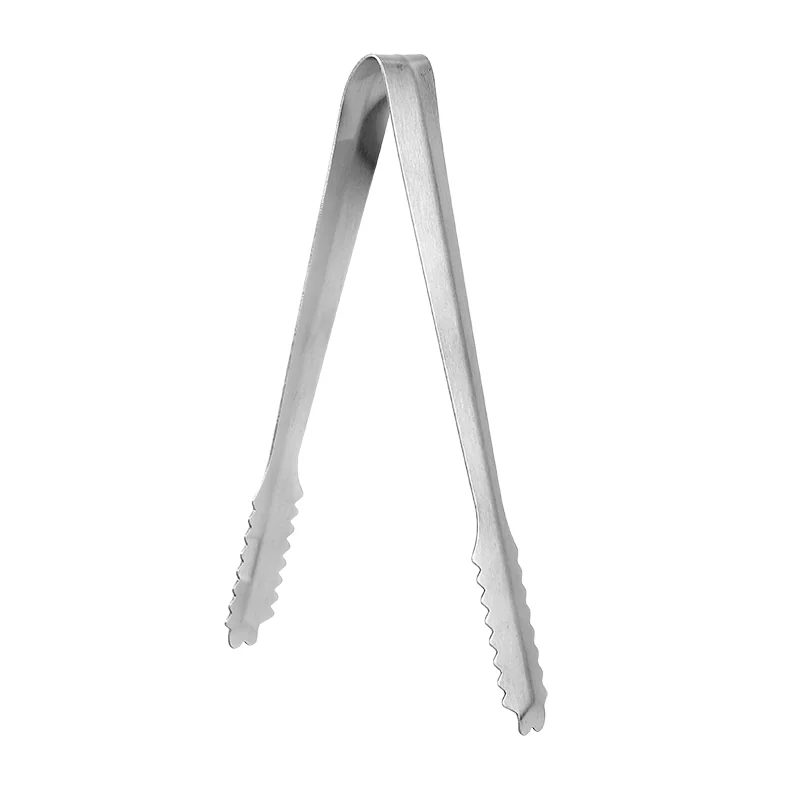
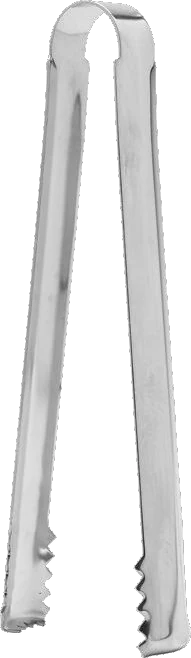
Use a scoop or tongs appropriate for the intended pieces, and keep their food-contact surfaces protected between uses. Do not use a drinking glass as an ice scoop: damaged glass is particularly difficult to distinguish from ice. Follow the establishment’s applicable food-safety procedures for potable water, storage, cleaning and handling. An attractive bucket is only one component of a safe ice workflow, not a substitute for that workflow.
Run a glass-and-tool fit check
Place the intended serving ice in the actual glass and pour the measured recipe over it. Check displacement, drinking clearance and how easily the guest can lift the glass. Then test whether the handling tool picks up and releases that ice without scraping the rim or dropping pieces. For procurement, record usable bucket opening and tool dimensions rather than ordering by nominal bucket volume alone. Repeat the check if the ice supplier changes.
Put it into practice
- Test the ice, glass and handling tool together.
- Record total ice amount and starting condition.
- Keep glassware out of ice scooping.
Questions worth asking
Will a large cube always melt more slowly?
A size-only promise is unreliable. Temperature, total mass, liquid movement and environment affect the result. Compare the exact serving setup before making a performance claim.
Examples from the Manchen catalog
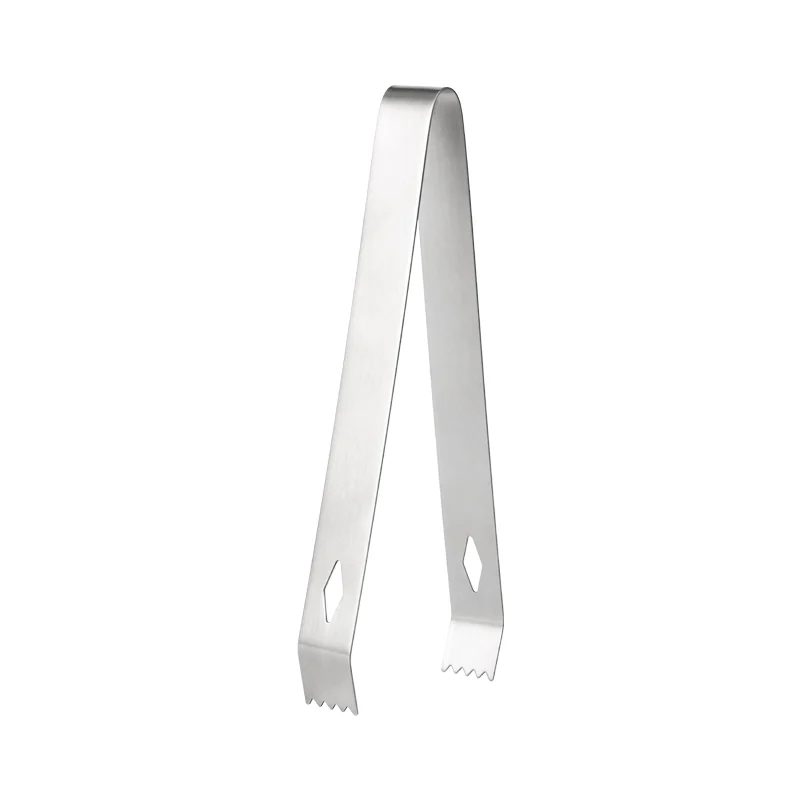
Compare Manchen ice buckets and handling accessories around your actual ice format. Confirm the bucket opening, included lid or tongs and cleaning access. Any holding-time or insulation statement should be supported by tests for the selected construction, not inferred from a product photograph.
Explore the relevant collections
Discuss your product brief ↗References & further reading
These references explain general techniques and requirements. They do not establish certification or tested performance for a Manchen product.
