Mixing fundamentals
A bar-tool kit for non-alcoholic drinks
Build around measuring, texture, fresh ingredients and carbonation, with the same care given to any other drinks menu.
Manchen editorial team · Updated
The short answer
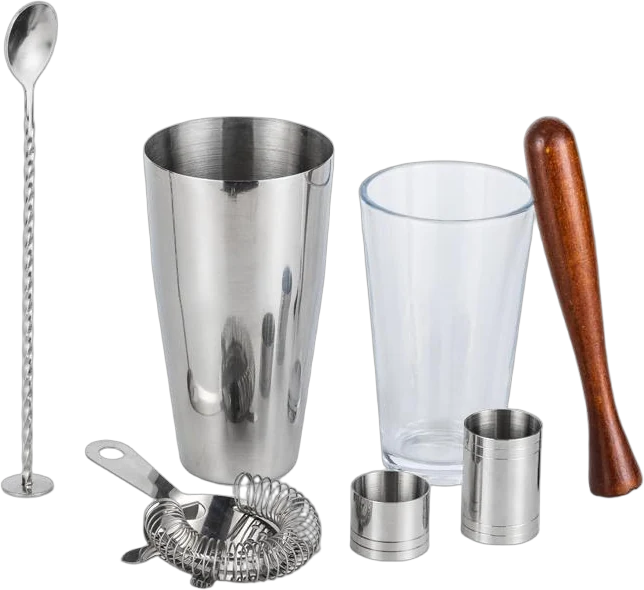
Non-alcoholic drinks often use the same measuring, shaking, stirring and straining tools as other cocktails. The right kit follows the menu: acidic juice, thick syrups, herbs and carbonated ingredients each create different tasks. Clear ingredient communication and hygienic handling remain essential.
Map tasks before selecting a gift-sized set
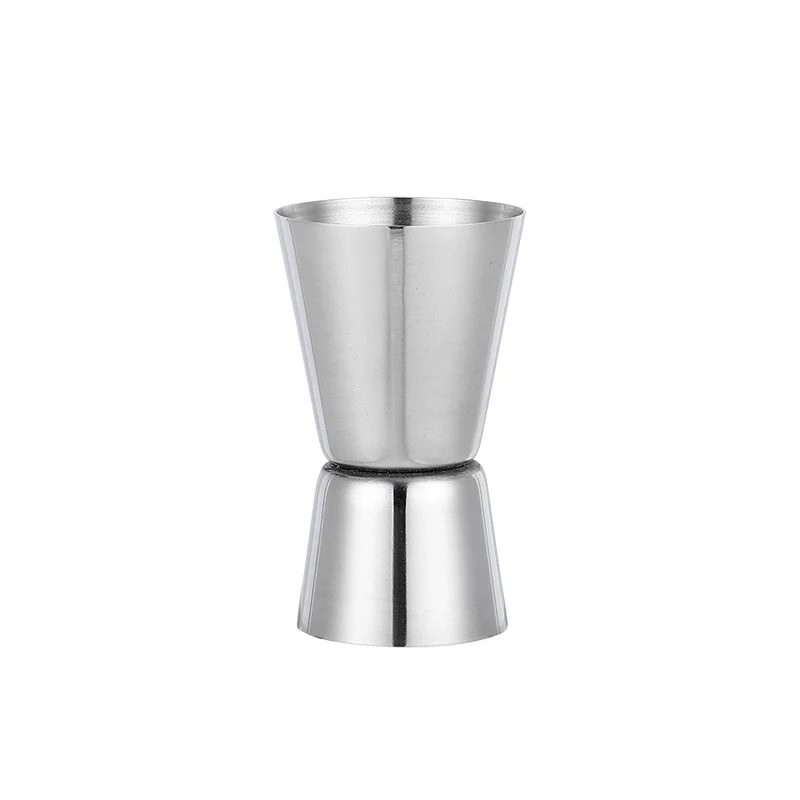
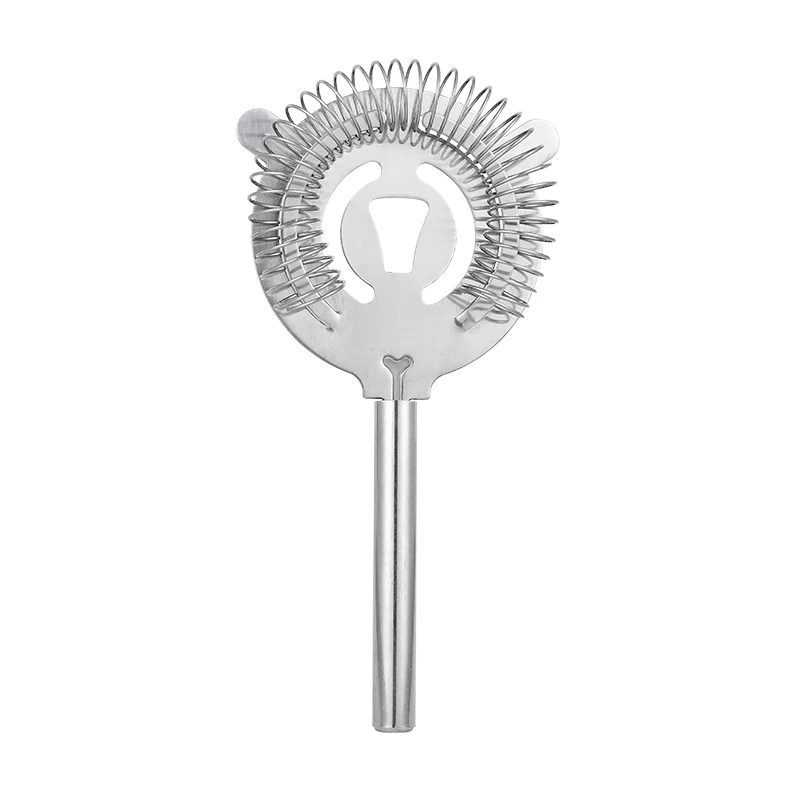
Start with a small representative menu and identify the preparation steps for each drink. A citrus-led shaken serve may need a jigger, shaker and straining pair; a built sparkling drink may need only accurate measuring and gentle mixing in the final glass. A fruit-heavy recipe can add muddling and extra cleaning. This exercise prevents a kit from including several visually appealing accessories while omitting a tool the operator needs for every order.
Handle carbonation as a separate step
Do not assume that every ingredient belongs inside a sealed shaker. Carbonated mixers are generally added using the recipe’s specified serving method after the still components have been prepared. Check glass headspace and the sequence for ice, base mixture and sparkling top-up. A tool trial should include the final pour, because foaming and overflow often appear there rather than during the initial measurement. Keep the procedure understandable for new team members.
Avoid unsupported ingredient claims
A drink’s name does not establish its alcohol content or allergen profile. Bitters, flavourings and fermented ingredients may need closer review against supplier information and local terminology rules. Tools cannot solve that labelling question. Keep recipe records and train staff to answer ingredient questions accurately. Where a dedicated preparation area or tool set is needed for your service policy, identify it clearly and provide a complete cleaning routine.
Test sticky and aromatic ingredients in the kit
Syrup can coat a jigger, puree can slow a mesh strainer and strongly aromatic ingredients can leave residual odours in poorly cleaned parts. Trial the actual menu in sequence, not just one water pour. Evaluate access for cleaning and whether spare tools are needed during a rush. For a retail starter set, include a few technique-led recipes that teach the jobs of the tools without making medical or wellness promises about the drinks.
Put it into practice
- List tasks from a representative non-alcoholic menu.
- Separate sparkling top-up from sealed shaking.
- Verify ingredient descriptions independently of the tools.
Questions worth asking
Do non-alcoholic drinks need a special shaker?
Usually the vessel is selected for recipe volume, ingredients and handling, not the presence of alcohol. Dedicated tools may still be appropriate for the establishment’s cross-contact or service policy.
Examples from the Manchen catalog
Manchen cocktail sets and individual bar tools can be configured around a non-alcoholic menu rather than a standard piece count. Start with the measuring and mixing tasks, add the necessary strainers and specify any dedicated identification. Ask which components can be supplied together for the selected kit.
Explore the relevant collections
Discuss your product brief ↗References & further reading
These references explain general techniques and requirements. They do not establish certification or tested performance for a Manchen product.
