Recent industry trends
Premium presentation in 2026: make the quality upgrade visible and useful
Translate an intended guest experience into observable sample criteria before choosing decorative finishes, extra accessories or a larger branded collection.
Manchen editorial team · Updated
The short answer
A useful premium-presentation brief explains what becomes better for the guest and the team. Define the intended improvement, compare it with a reference service and test the actual tools in a complete workflow. Approve observable handling and presentation criteria, then select the finish and branding that support that experience.
Define the upgrade in ordinary language
IWSR’s analysis published on 20 August 2026 argues that premiumisation increasingly needs an experience or quality justification. For a barware buyer, the practical starting point is a sentence describing what a guest or staff member should notice after the proposed change.
Examples might include a clearer drink explanation, a more coherent presentation or a working set that staff can identify and use consistently. These are development aims, not automatic benefits of an expensive tool. Choose the aim before selecting a finish, so a visually attractive sample is assessed against the service it is meant to support.
Use an illustrative reference-and-upgrade comparison
An illustrative comparison can place the current service beside a proposed upgrade for one existing drink. Record the recipe, explanation, tool handling, finished appearance, reset and any additional task. Keep the recipe constant where possible so the team can see the effect of the presentation decision separately.
Write the reason for each changed element. A different garnish tool might support an approved placement, while a new stand might simply change the display. Both can be legitimate choices, but they should not be described as the same improvement. This makes the purchasing conversation more precise than asking for a premium-looking assortment without a defined use.
Turn the idea into sample acceptance criteria
Choose criteria the team can observe in a trial. Examples include identifying the correct tool, reaching the required measure, placing a garnish as shown and returning the pieces to the agreed storage position. Use the actual recipe and operator rather than reviewing only a product on a desk.
Keep subjective preference visible as preference. Staff may favor a particular appearance, while another design better suits the selected working action. Record both observations instead of converting taste into an unsupported performance claim. A clear sample record helps the buyer decide which trade-off matters for the intended collection and which change still needs discussion.
Include the explanation and the reset
A guest-facing presentation includes what staff say as well as what the guest sees. Rehearse a short explanation that connects the drink, the occasion and any visible detail. Ipsos’s August 2026 overview also identifies meaningful experiences and perceived value among adult-beverage themes.
Then follow the service after handoff. Check how pieces return, where they dry or wait under the venue’s procedures and how the next order starts. An elaborate presentation can add tasks that a photograph never shows. Make those tasks explicit so the chosen experience remains practical across the full shift, not only during a carefully staged sample demonstration.
Approve a useful collection, then scale it
During a limited pilot, collect staff observations, guest questions and presentation corrections. Compare these with the original upgrade sentence. If a change is appreciated for a different reason, decide whether to revise the brief or revise the design. The sample record should tell that story clearly enough for another buyer to review.
Once approved, keep the selected component list, visual reference and care information together. Use that package for branding and quotation discussions, including any stand or packaging that forms part of the experience. A larger order then extends a defined service choice rather than relying on an adjective such as luxury to substitute for a specification.
Put it into practice
- State one observable guest or staff improvement.
- Compare the existing and proposed service for one drink.
- Trial handling, explanation and reset together.
- Keep approved components and visual references with the brief.
Questions worth asking
Does a premium finish establish a better guest experience?
A finish can support a visual direction, but the experience depends on the complete service. Define the intended improvement and trial it with the actual tools and recipe. Keep appearance, handling and any unverified product claims separate in the sample review.
Should a new collection contain more pieces to look premium?
Choose the pieces required by the approved service and display brief. An additional component needs a clear purpose, whether working, presentation or storage. A coherent smaller selection can be appropriate when every piece has a defined role and the team can explain the collection.
Examples from the Manchen catalog
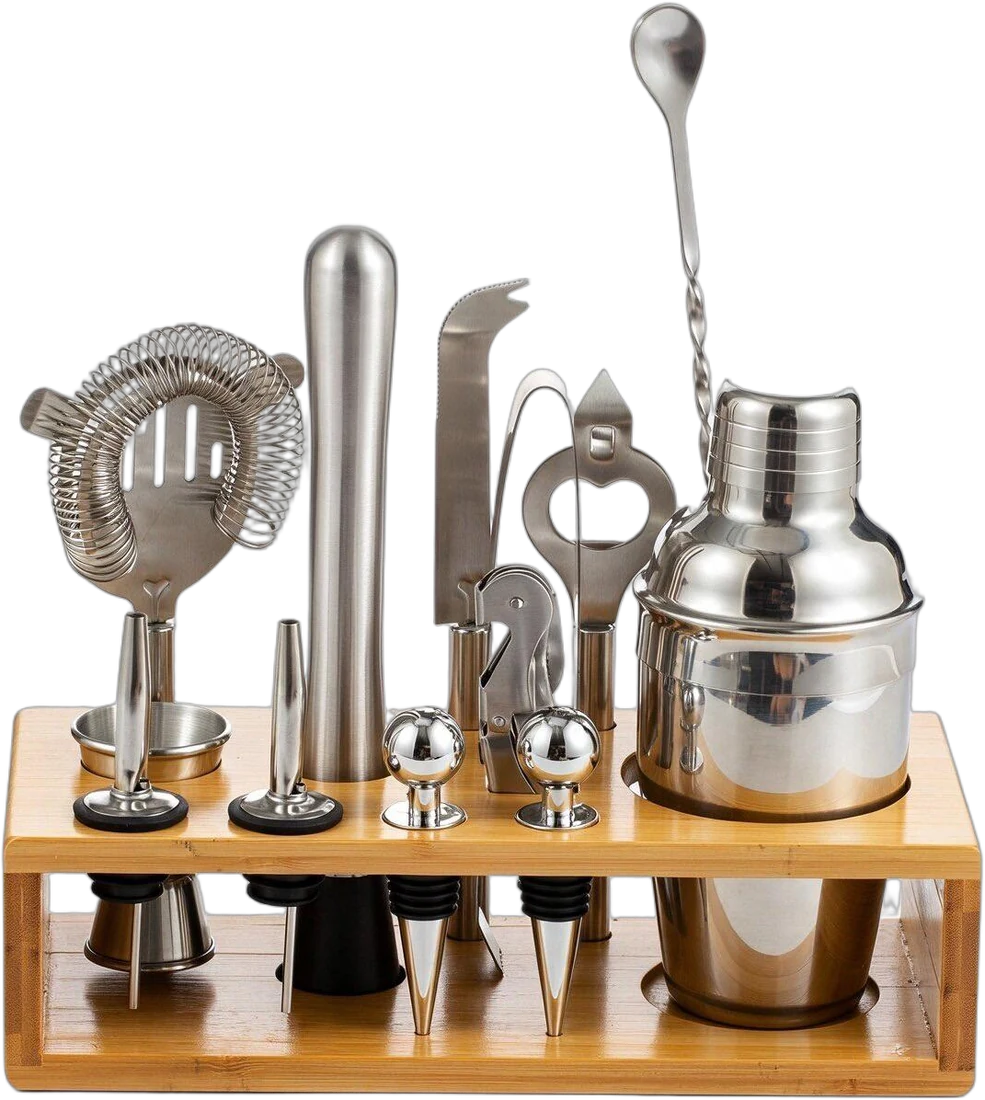
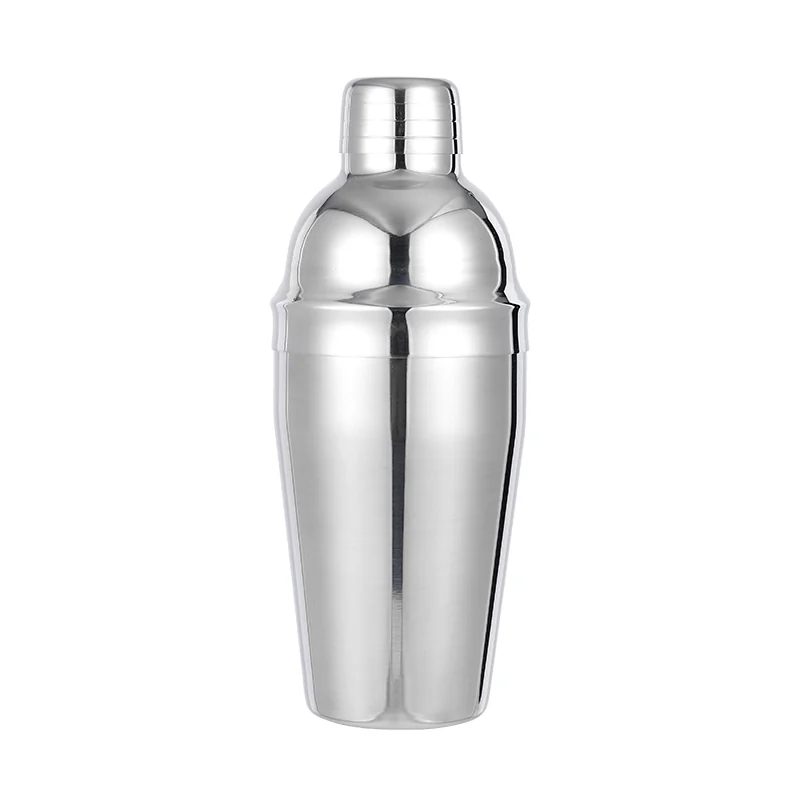
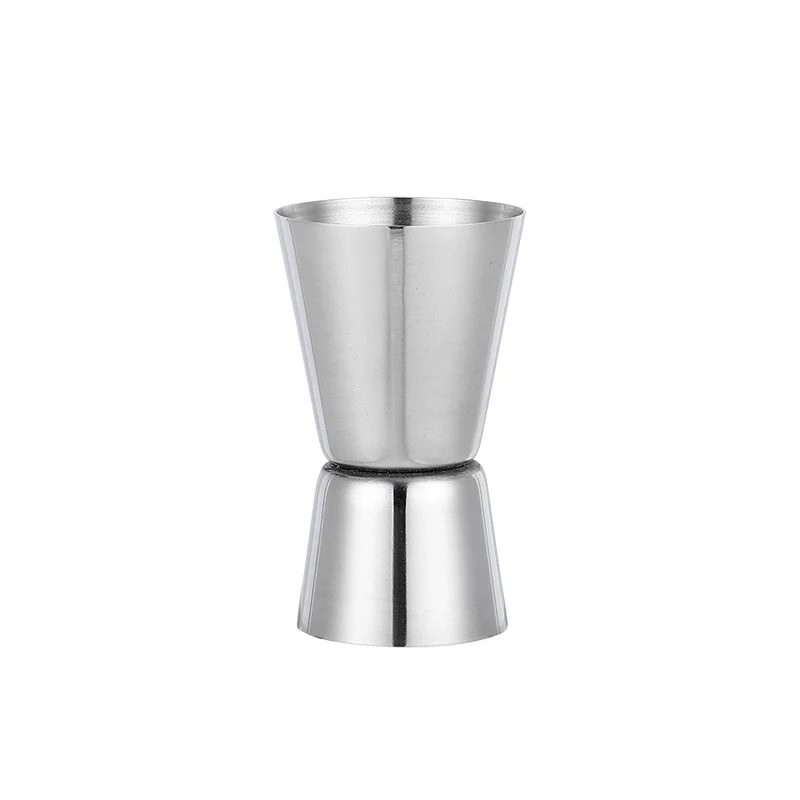
Use Manchen’s rectangular display stand set catalog-p06-r01 as a visual starting reference, then compare its actual component list with the approved service brief. The classic cobbler shaker and straight-rim jigger can also be evaluated individually. Confirm the final configuration, branding position and care information through samples rather than inferring the collection from a styled photograph.
Explore the relevant collections
Discuss your product brief ↗References & further reading
References for the reported developments and supporting techniques. Trial plans and buying worksheets are original editorial suggestions.
