Recent industry trends
A reusable-drinkware promotion needs a programme brief
Plan eligibility, allocation, customer instructions and repeat-use evaluation before ordering a durable promotional accessory.
Manchen editorial team · Updated
The short answer
Write a programme brief that connects the promotional item to a defined customer action, distribution plan and after-use instructions. Separate the number handed out from evidence of repeat use. Confirm the exact product configuration before artwork and avoid treating the word reusable as proof of an environmental benefit.
Keep the announcement separate from results
On November 4, Starbucks announced a collectible reusable-cup promotion scheduled for November 17 at participating stores while supplies last. At this article's November 12 publication, the event is still ahead. It is a timely example of a clearly defined promotional programme, not evidence of completed participation, sales or environmental outcomes.
NRF's October holiday research provides wider context on value and gift shopping, but a promotional buyer still needs a local business objective. The planning method below can apply to a suitable durable drink accessory or tool giveaway. It does not imply that Manchen supplies Starbucks or that another brand's campaign design should be copied.
Define the customer action before choosing the object
Write the programme objective in an observable form: introduce a product category, support a hosted event or encourage customers to return with a useful accessory. Then define eligibility, location, timing and the item supplied. A vague aim such as create excitement does not tell staff who receives what or help the buyer choose a suitable configuration.
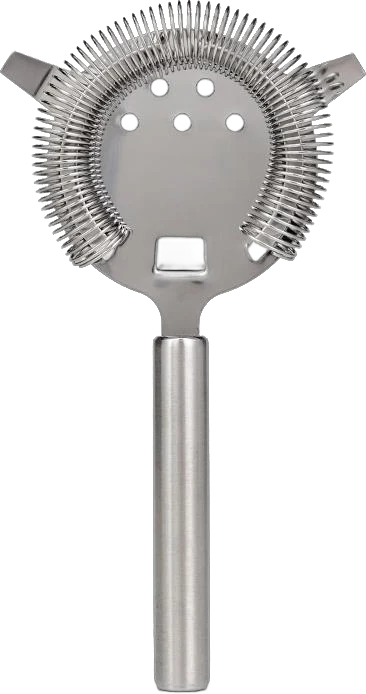
In a hypothetical retailer programme, a measuring-tool giveaway might accompany a scheduled introductory session. Record whether attendance, purchase or another action establishes eligibility. Keep that policy with the item brief so a packaging supplier is not asked to resolve a customer-service decision. The product should support the programme's purpose rather than merely carry a logo.
Allocate stock and plan the exceptions
Create a location allocation sheet with planned quantities, delivery status, responsible staff and the rule for unused stock. Keep promotional inventory separate from saleable inventory where the programme requires it. Decide how staff handle depleted stock, damaged items and requests outside the stated eligibility. Consistent handling is part of the programme, not a detail to improvise after launch.
For a hypothetical multi-store activity, one site may need a different allocation because its confirmed session capacity differs. Use that evidence rather than splitting the order evenly by habit. Set a review point for transfers and identify who can authorize them. Keep customer wording aligned with what each location is actually able to offer.
Make the item useful after the event
Request instructions appropriate to the actual item, including its intended task and confirmed care information. If a programme depends on customers returning with it, explain the relevant process clearly. A reusable object that recipients cannot identify, store or care for is a weak programme choice even if the decoration is attractive. Check usefulness with a representative recipient before committing to artwork.
In a hypothetical tool giveaway, ask someone unfamiliar with barware to identify what it does and follow the provided guidance. Note confusing terminology or missing information. Revise the brief rather than relying on a promotional slogan to teach the task. Keep the approved instructions linked to the configuration that will actually be distributed.
Measure repeat use without inventing a benefit
Choose programme measures before launch. Distribution counts answer how many items left the stockroom; they do not show how often recipients used them afterward. Depending on the programme, useful follow-up could include voluntary feedback, observed return participation or questions about use. Define what each measure can establish and avoid collecting information that has no clear purpose.
At review, separate commercial outcomes, operating effort and any claimed environmental result. Reusability alone does not prove a reduction in waste or emissions, and a promotional handout count is not a lifecycle assessment. Use the evidence to decide whether to repeat the programme, improve the item or change the distribution method, with a clear explanation of what remains unknown.
Put it into practice
- Define eligibility and the intended customer action.
- Assign stock, transfer and exception rules.
- Approve item-specific use and care instructions.
- Separate handout counts from repeat-use evidence.
Questions worth asking
Can we describe the November 17 campaign as completed?
Not as of November 12, 2026. The cited announcement describes a planned event. Any later article update should verify what actually happened before reporting results.
Does a reusable promotional item automatically support a green claim?
No. A claim needs evidence appropriate to its meaning and scope. Start by describing the item's confirmed function and the programme's actual observations rather than asserting unmeasured savings.
Examples from the Manchen catalog
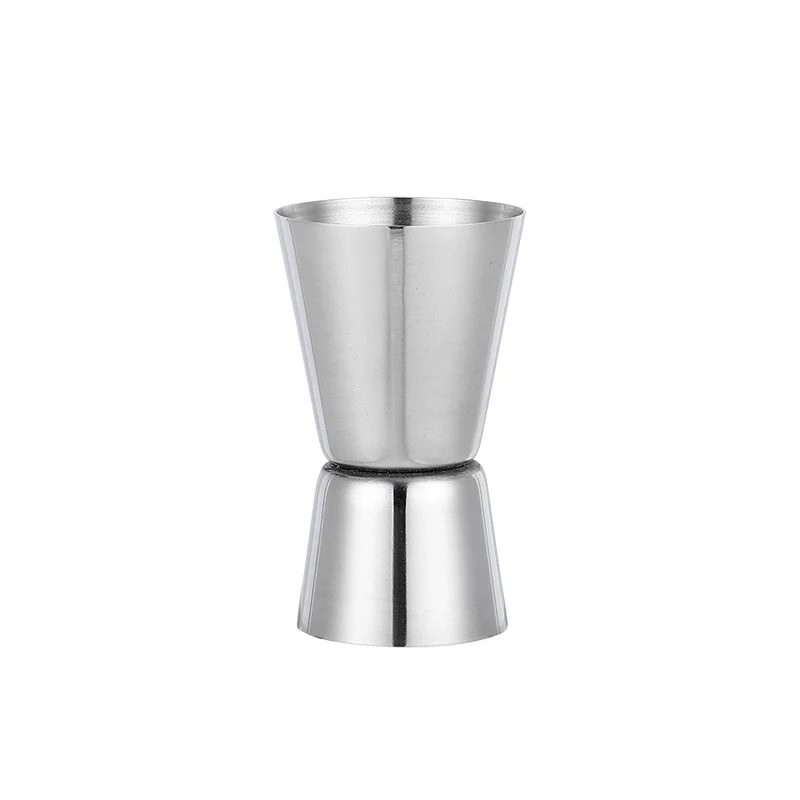
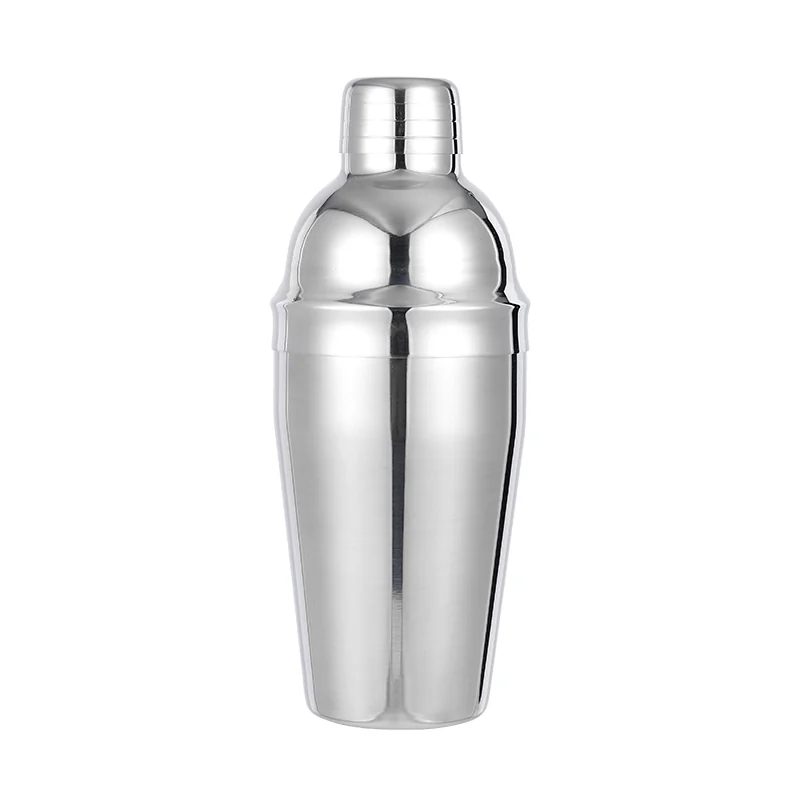
For a Manchen promotional-tool inquiry, provide the customer action, intended item, logo brief and distribution plan. Confirm the available configuration and suitable instructions before artwork approval, then evaluate the programme through its own evidence rather than another brand's campaign.
Explore the relevant collections
Discuss your product brief ↗References & further reading
References for the reported developments and supporting techniques. Trial plans and buying worksheets are original editorial suggestions.
