Recent industry trends
Soju discovery occasions: introduce the drink before adding complexity
Connect a soju-led menu idea to an accurate product explanation, a clear serving format and an approachable staff conversation.
Manchen editorial team · Updated
The short answer
A soju discovery offer should begin with the specific product and the questions a new guest is likely to ask. Distinguish a straight serve from a mixed recipe, describe the ingredients accurately and choose a presentation the team can repeat. A small, well-explained pilot is a useful foundation before adding several variants or specialist accessories.
Use cultural interest as an invitation to explain
IWSR’s cultural analysis published on 15 October 2026 connects soju discovery in the US with Korean cultural interest and social settings. For a venue, that creates an opportunity to make the product understandable rather than assuming every interested guest already knows what it is.
Begin with a concise description of the actual bottle on offer. Staff should know its name, product information and the serving choices available at the venue. A guest may arrive through interest in food, music or a recommendation, but the service still needs to answer the immediate question: what drink will reach the table?
Keep product identity ahead of a category label
Build a product card from the supplier information for the exact soju selected. Record the ingredients and alcohol information supplied for that product, along with the venue’s approved serve. Do not use another bottle’s characteristics as a universal description merely because both carry the category name.
Where the menu offers a mixed drink, identify the added components separately. This helps staff explain the difference between choosing the product itself and choosing a house recipe built around it. The distinction is particularly useful when a familiar fruit word appears on both a packaged product and a freshly mixed option.

Use an illustrative two-choice discovery pilot
An illustrative pilot can compare one approved straight serve with one mixed recipe using the same selected product. Record the order wording, measured portion, serving vessel, added ingredients, preparation owner and explanation. The pilot is a development example, not a universal soju ritual or a claim that every guest needs both options.
Ask a colleague unfamiliar with the project to read the menu and explain the difference between the choices. If the answer depends on specialist vocabulary, rewrite it. Keep the guest-facing choice simple while the recipe card carries the operational detail required by the team.
Match the tools to the actual serving choices
Select measuring and mixing tools only after the two routes are defined. A straight presentation and a mixed recipe can involve different actions, even when they share the same bottle. Check the intended serving vessel, portion and staff handling together rather than selecting accessories from a cultural mood board.
If the mixed version uses a garnish, give it an explicit ingredient identity and placement. Rehearse the complete route from order to reset with the actual components. The resulting equipment list may be compact: the useful outcome is a clear role for each piece, not a large collection that visually suggests a cuisine without supporting the chosen service.
Rehearse a respectful discovery conversation
Ipsos’s August 2026 adult-beverage overview also highlights social connection and meaningful occasions. Apply that broad theme through an approachable invitation: explain the choices, answer questions accurately and let the guest decide. Avoid presenting one venue’s style as the only correct way to enjoy the category.
During a limited pilot, record questions about the product, ingredients and serving format. Review these alongside preparation notes and revise the explanation where it confuses people. Save the approved product card, recipe and serving photograph together. This turns cultural interest into a maintained educational service, with a purchasing brief based on actual tasks rather than assumptions about a trend.
Put it into practice
- Build the product card from the exact selected bottle.
- Distinguish straight service from the house mixed recipe.
- Test the explanation with someone new to the category.
- Select tools after rehearsing order, service and reset.
Questions worth asking
Can all soju products use one menu description?
Use the actual product information and the venue’s specific serve. A category introduction can provide context, but it should not replace accurate details for the bottle and any added ingredients. Review the description whenever the selected product changes.
Do I need to reproduce a single traditional serving ritual?
Do not present an invented or unverified ritual as universal. Explain the service your venue offers and use reliable product or cultural information where relevant. An approachable, accurate introduction can support discovery while leaving guests free to choose their preferred drink and presentation.
Examples from the Manchen catalog
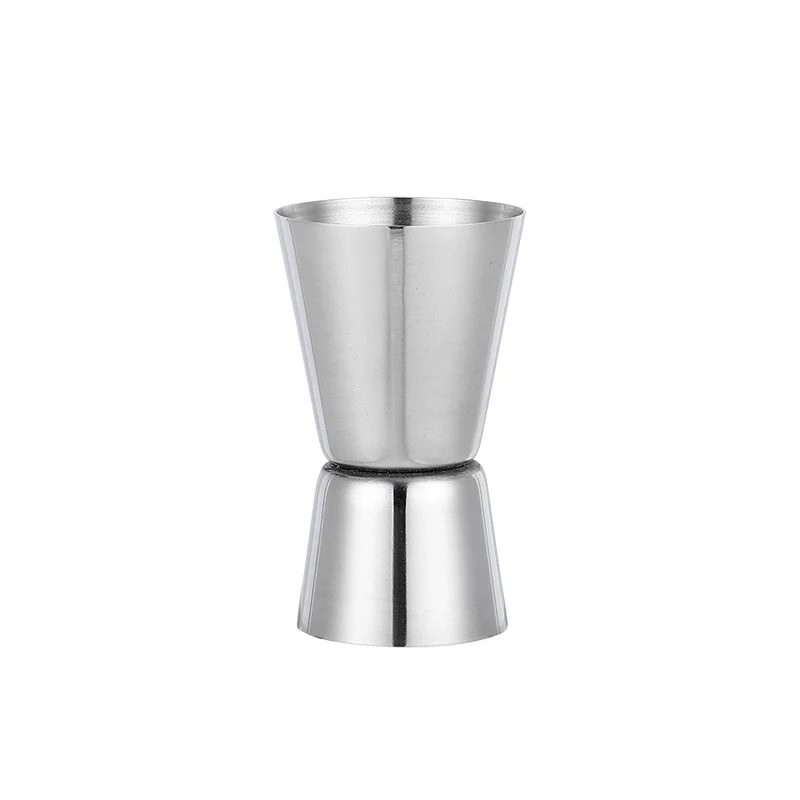
For a mixed soju pilot, compare Manchen’s straight-rim jigger, twisted bar spoon catalog-p26-r06 and bar tweezers catalog-p30-r02 with the approved recipe and garnish tasks. A straight-serve route may need fewer working pieces. Confirm the actual configuration through samples and keep the product explanation separate from the barware specification.

Explore the relevant collections
Discuss your product brief ↗References & further reading
References for the reported developments and supporting techniques. Trial plans and buying worksheets are original editorial suggestions.
