Private label & sourcing
Barware drawings and tolerances: specify the features that must fit
Turn nominal dimensions into a shared inspection plan for shaker joints, strainer fit, stand openings and packaging.
Manchen editorial team · Updated
The short answer
A dimension gives a target; a tolerance describes the allowed variation for a specified feature. Start with function-critical geometry and agree how it will be measured. Nominal height and diameter alone cannot establish that two parts will fit, seal, stand level or enter the same retail insert.
Begin with the assembly rather than isolated numbers
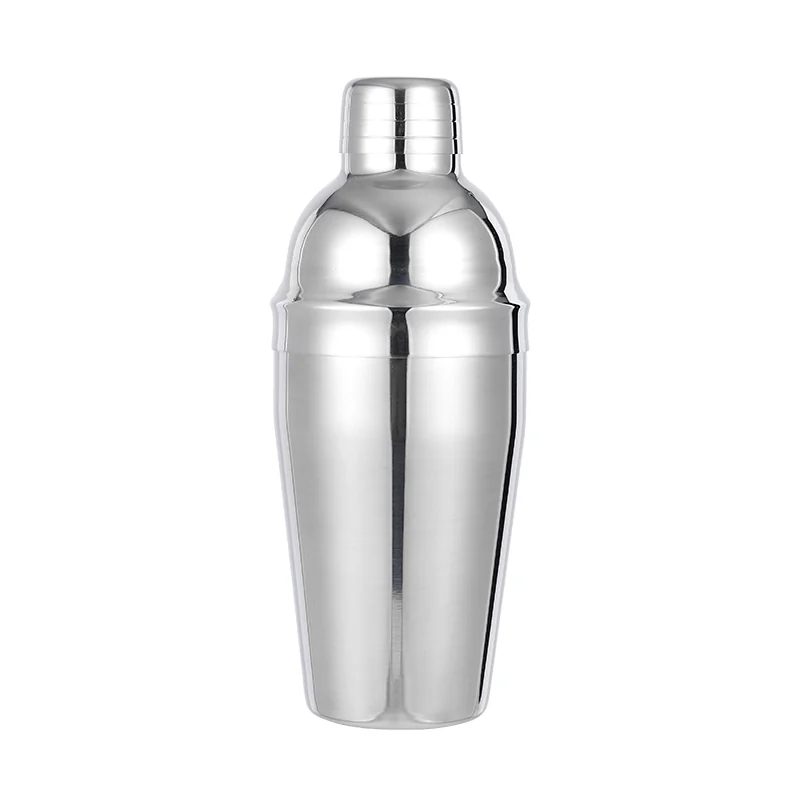
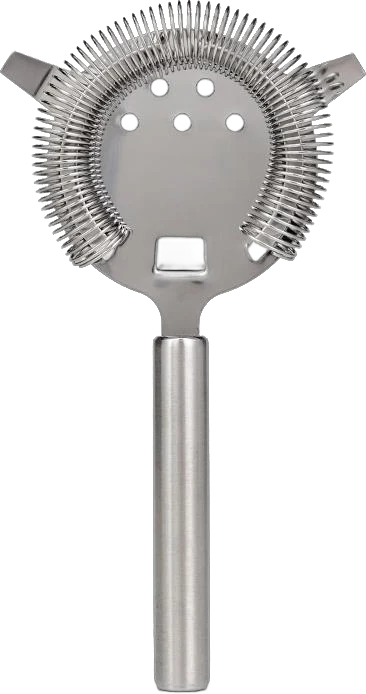
List the interfaces that matter: mating shaker rims, a strainer resting on a vessel, a jigger sitting in a stand or a lid closing on an ice bucket. Identify the surfaces that contact each other and the clearance needed for normal use. A tool can meet its overall height while still failing at the rim. Request drawings or annotated sample measurements that show those interfaces. Keep functional requirements visible instead of hiding them beneath a long list of decorative dimensions.
Define reference points and the measuring condition
State where each measurement starts and ends. “Diameter” may refer to the outside rim, inside opening or body at a different height. Identify units, the relevant tool and whether the item is measured assembled or separately. If formal drawing symbols are used, both parties should understand the selected convention. Do not measure a web photograph to generate acceptance dimensions: camera angle and scaling can create a convincing but false number. Resolve missing geometry with the supplier.
Choose tolerances for a reason
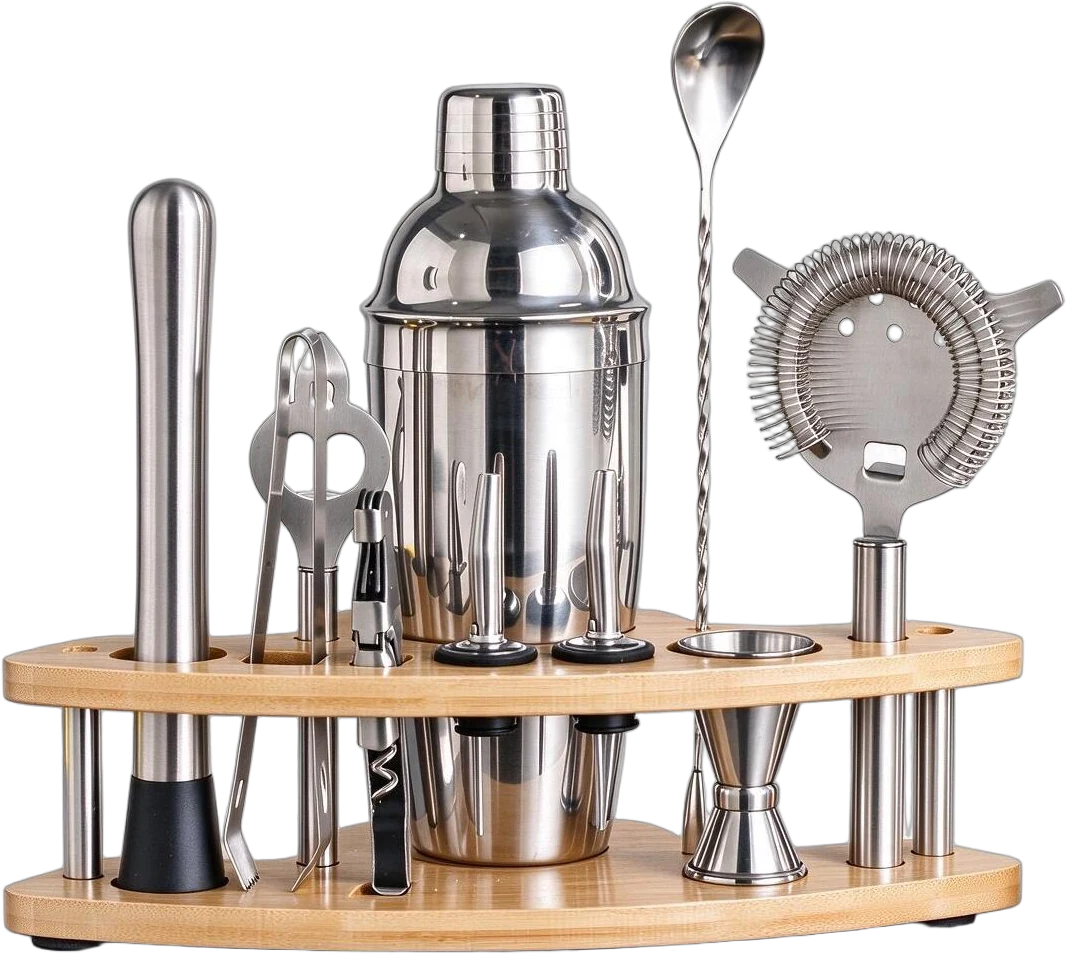
Extremely tight tolerances on every dimension can add complexity without improving the user experience. Loose tolerances on a critical joint can make an otherwise attractive item unusable. Discuss the intended fit, forming route and inspection method before selecting limits. An illustrative stand redesign might prioritize hole clearance and stable support while allowing more variation in a non-contact decorative edge. The actual limits belong in the agreed drawing; this example is not a universal manufacturing specification.
Connect dimensions to the inspection record
Number the inspected features and use the same labels on the drawing, sample report and production checklist. Record the observed value, equipment and any relevant setup notes instead of writing only “OK.” Check assemblies as well as components, because several individually acceptable variations can interact. ISO 2859-1 concerns lot acceptance sampling, but it does not choose the product dimensions for the buyer. Agree the geometry, functional checks and sampling plan as related but separate decisions.
Put it into practice
- Identify critical contact and support surfaces.
- State units, reference points and measurement setup.
- Check the complete assembly, not only separate parts.
Questions worth asking
Can the sample alone define every tolerance?
A sample is useful for comparison but does not describe all allowable variation. Record the critical dimensions and limits in writing, and clarify how the physical reference and drawing will be used together.
Examples from the Manchen catalog
When discussing a Manchen shaker pair or stand set, identify the interfaces your project depends on and request the corresponding dimensions. Provide any third-party tools or packaging constraints early. The team can then review the actual fit requirement rather than interpreting a request that only says “same size as the picture.”
Explore the relevant collections
Discuss your product brief ↗References & further reading
These references explain general techniques and requirements. They do not establish certification or tested performance for a Manchen product.
