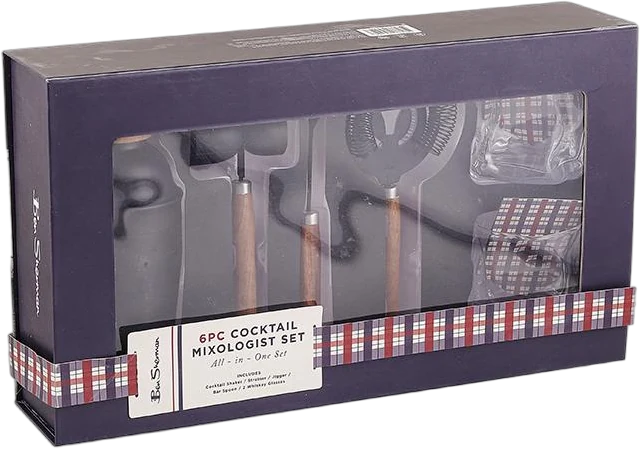
Bar setups & service
Designing a cocktail gift set that people will actually use
Balance recipient skill, useful tools, clear instructions and unpacking experience instead of maximizing the number printed on the box.
Manchen editorial team · Updated
The short answer
A good gift set connects a recipient with an achievable first use. Choose a small set of relevant tasks, supply the tools that perform them and explain the sequence clearly. Presentation matters, but the component list, unit markings and care instructions determine whether the gift remains useful after unboxing.
Define the recipient and the first successful experience
A beginner, an experienced enthusiast and a hospitality buyer do not need the same gift. Describe what the recipient should be able to make with the tools provided and ordinary accessible ingredients. Avoid requiring an unlisted specialist tool before the first recipe can be completed. A simple shaken drink or non-alcoholic equivalent can create a more coherent brief than a vague promise of a complete bar. Identify which glassware and ingredients are intentionally excluded.
Count functions before counting pieces
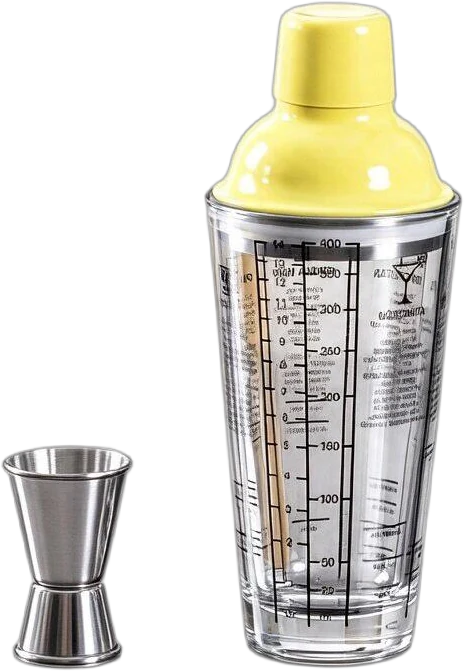
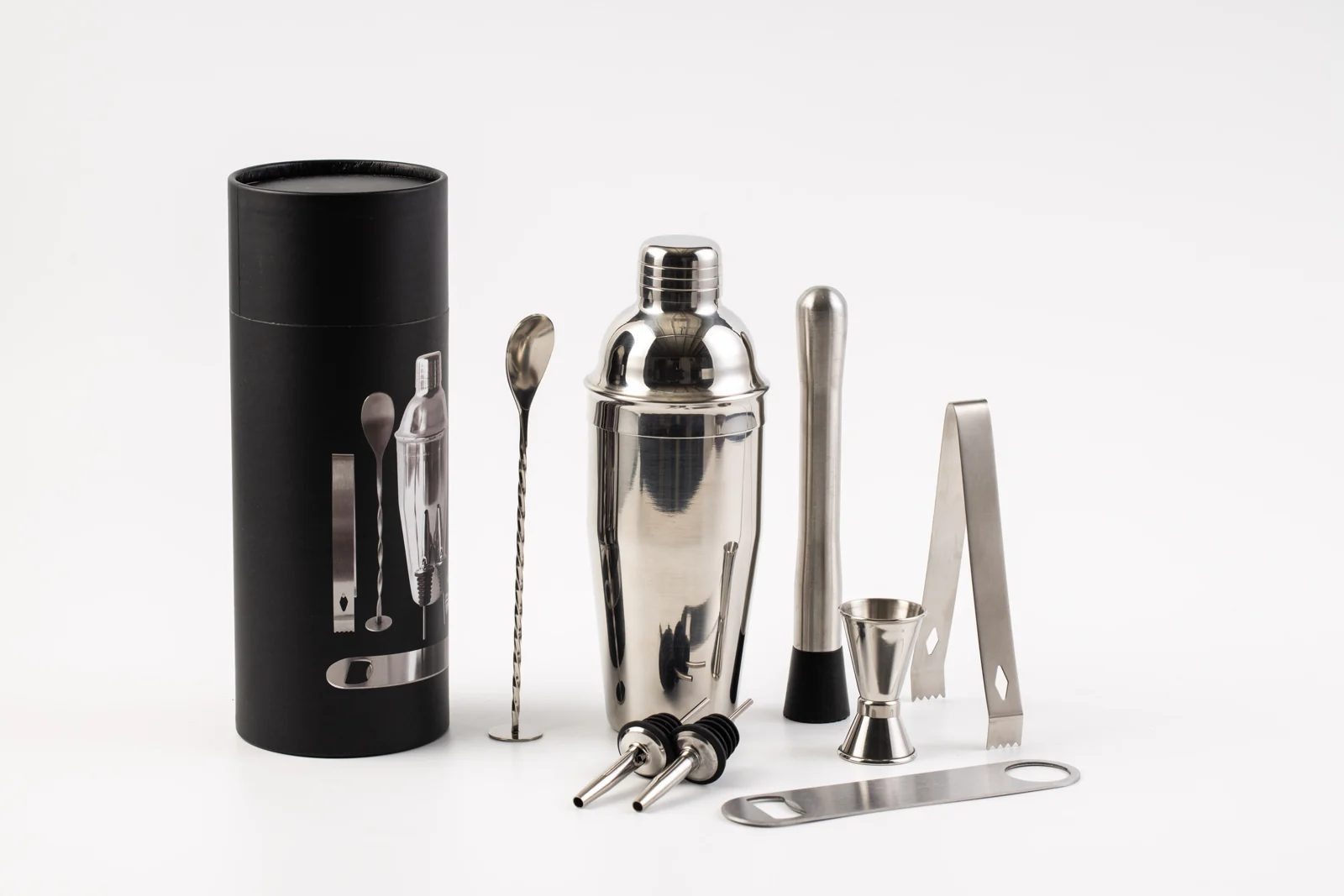
Two pourers and several decorative picks may inflate a piece count without adding a new preparation capability. List the shaker format, measuring capacities, strainers and other components individually. Check that the included jigger measures match the recipe cards and that the strainer fits the vessel. If a stand is part of the gift, evaluate it with the final assortment rather than a sample containing different tool shapes. The boxed contents should agree with the label and quotation.
Make instructions part of the design
Show what each tool does, how the chosen assembly closes and opens, and how the parts should be cleaned and stored. Use clear unit conventions rather than presenting rounded conversions as exact equalities. A recipe card should name the tools used at each step and explain any components not included. Translate the procedure naturally for the target market and review it against a real sample. A polished rendering cannot expose an instruction that tells users to assemble the wrong parts.
Evaluate the gift after transport, not only before it
Open a representative packed sample after an agreed handling trial. Check whether parts migrated, visible surfaces rubbed together and instructions remained easy to find. The insert should make removal straightforward without forcing users to pull sharp or delicate edges. Evaluate packaging volume and replacement possibilities as well as appearance. Describe any testing truthfully: an informal handling exercise is not an independent certification or a guarantee that every delivery will arrive undamaged.
Put it into practice
- Describe the recipient and one achievable first recipe.
- Match instructions and markings to the exact contents.
- Review a complete packed sample after handling.
Questions worth asking
Should every gift set include a stand?
Only when display and accessible storage fit the recipient. A stand adds dimensions and packing requirements; a compact case may suit some users better. Compare the real use and storage space.
Examples from the Manchen catalog
Manchen cocktail sets and stand arrangements offer starting points for a private-label gift brief. Select the functional combination first, then discuss finish, logo, insert and instruction requirements together. Confirm the exact contents and any customization options on a sample rather than treating a catalog photograph as the final bill of materials.