Recent industry trends
Coffee cocktails after the hype: planning the Espresso Martini handoff
Use a recent coffee-cocktail menu signal to test the connection between coffee preparation, measured mixing and the finished guest serve.
Manchen editorial team · Updated
The short answer
A coffee-cocktail station needs an agreed coffee component and a complete handoff, not just a shaker beside an espresso machine. Define the recipe, who prepares each component, how the order reaches the bartender and what the approved serve looks like. Test the workflow during actual café and bar activity before choosing additional tools.
Separate a menu signal from a station decision
Ground Signal’s review published in August 2026 and updated in October identifies coffee and the Espresso Martini as growing presences in its independent US on-premise menu dataset. That makes a useful starting point for checking the drink’s role on your own list.
Ask whether the venue wants a single recognizable coffee cocktail, a seasonal variation or a wider after-dinner group. Each choice produces a different workload. A focused pilot can reveal whether the practical issue is coffee access, preparation ownership, glass availability or the explanation given to guests. Buy equipment after identifying which of those tasks needs support.
Use a reference recipe and name variations clearly
The IBA’s Espresso Martini method uses a shaker with ice and a chilled cocktail glass. Use the official page as a recognizable reference, then keep a separate signed-off card for the exact version your venue offers. If you change the coffee component, sweetening or spirit, describe the house variation accurately.
The development card should identify the coffee as precisely as the other ingredients. Record the approved source, preparation method and quantity rather than leaving a vague instruction such as “add coffee.” This is especially useful when café staff and bar staff work from different familiar routines and use different serving containers.
Map an illustrative order handoff
For an illustrative workflow, divide a card into order received, coffee component prepared, measured mixing, serving and reset. Beside every stage, name the person responsible and the information that must travel to the next stage. The café team should not need to infer which cocktail ticket a coffee belongs to.
Run that sequence while the café also receives a normal coffee order. Observe any queue, repeated question or unclaimed component. Try a clear ticket identifier and a fixed handoff position before adding an extra vessel. The goal is an understandable process that staff can repeat when the person who designed it is absent.
Sample the complete tool combination
Evaluate shaker, measuring tool, strainer and serving glass together with the approved recipe. Check the working load with the intended ice and the operator’s normal handling. The catalog’s vessel description is a starting point for selection, while a sample trial answers whether the chosen combination fits the actual task.
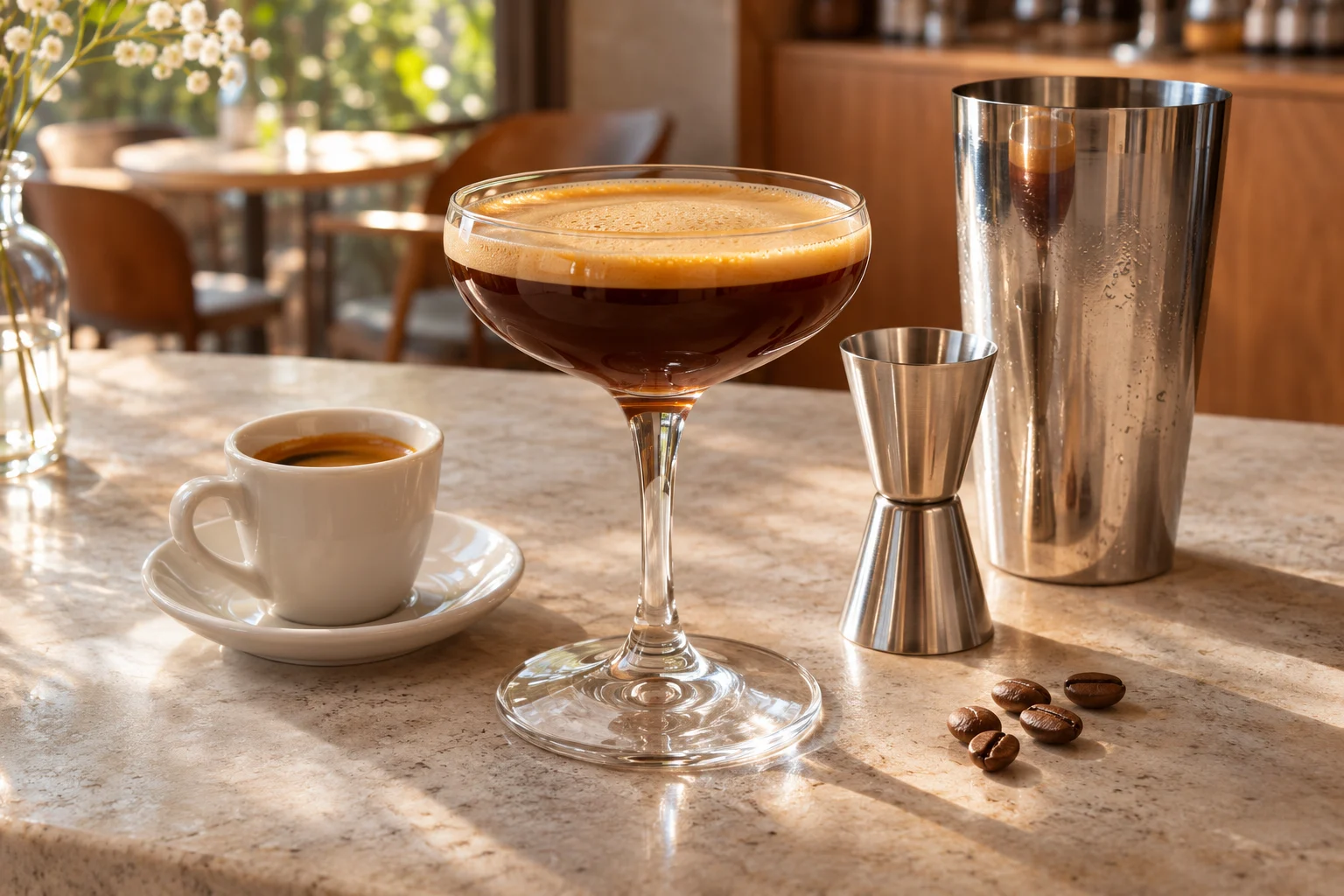
Take a photograph of the approved finished drink and write down observable criteria such as fill position, garnish placement and presentation at handoff. Avoid turning a photograph into an unsupported promise about how long a surface layer will last. Review the drink as served under your own conditions and agree what staff should do when it differs.
Choose the next variation through a controlled pilot
If the reference serve works reliably, test one variation at a time. Use a pilot sheet with the changed component, intended flavor difference, new preparation task and guest-facing name. Keep the base workflow visible so the team can tell whether a delay came from the flavor idea or from an unrelated service problem.
Review questions about sweetness, coffee intensity and ingredients alongside preparation notes. A variation earns its place when the team can describe and deliver it clearly. That decision might lead to another shaker, a different measure or no new tool at all; the useful outcome is a defined menu role rather than a larger equipment collection.
Put it into practice
- Specify the coffee component as precisely as the spirit.
- Name each owner in the café-to-bar handoff.
- Trial the full shaker, measure, strainer and glass combination.
- Change one component at a time in a variation pilot.
Questions worth asking
Does menu growth mean my venue needs several coffee cocktails?
No. Start with the role you want the drink to play and the station’s ability to serve it. One well-defined reference serve can be enough for a pilot. A second recipe should introduce a useful guest choice and a manageable extra task, not simply follow a headline.
Can café and bar teams share the same recipe note?
Yes, if the note includes both teams’ actions and an explicit handoff. Identify the coffee component, quantity, ticket and destination as well as the final mixing method. Test the note with someone who did not write it to find assumptions that remain unstated.
Examples from the Manchen catalog
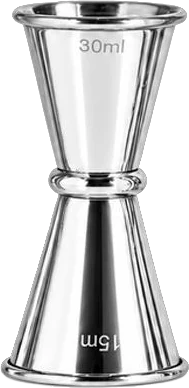
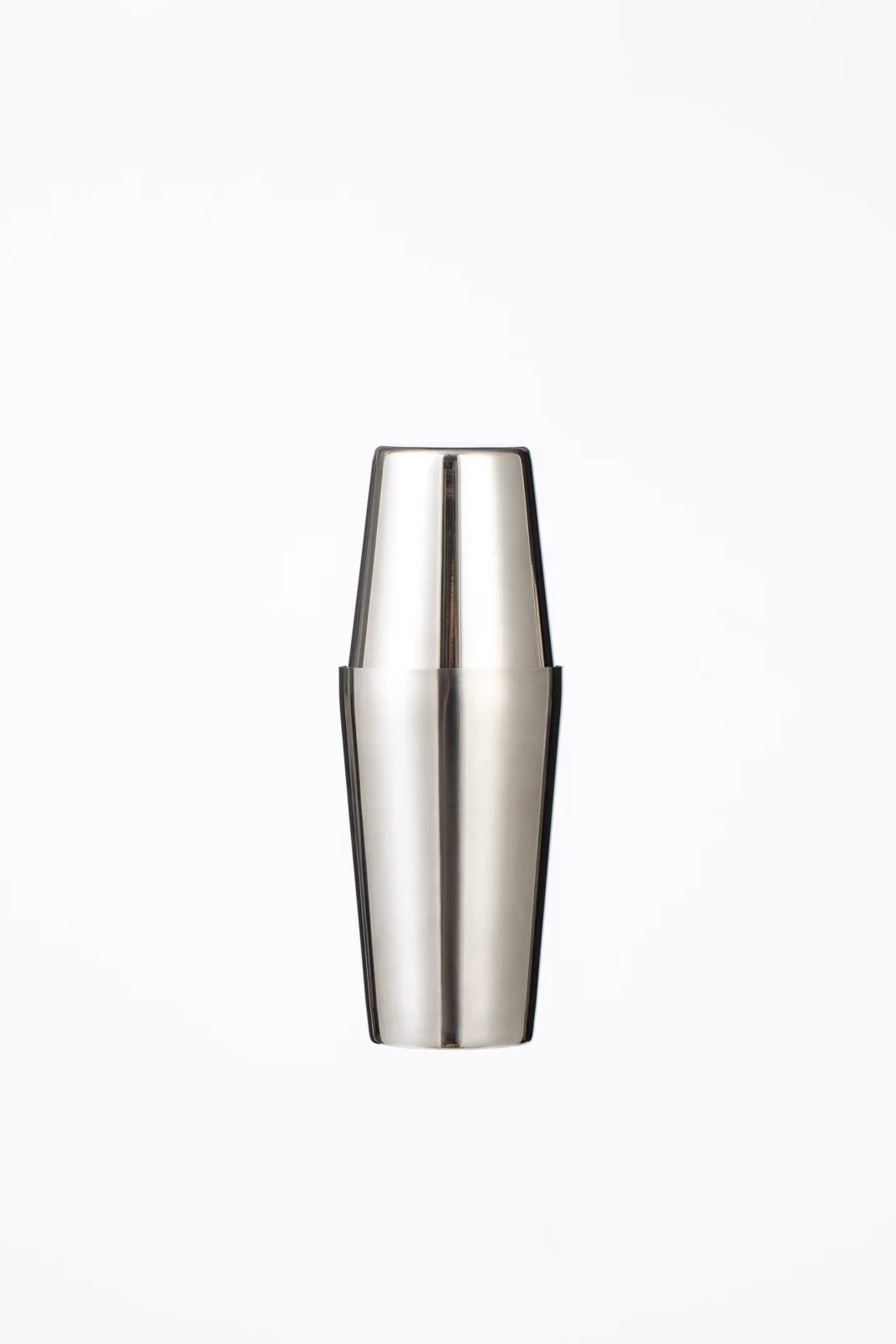
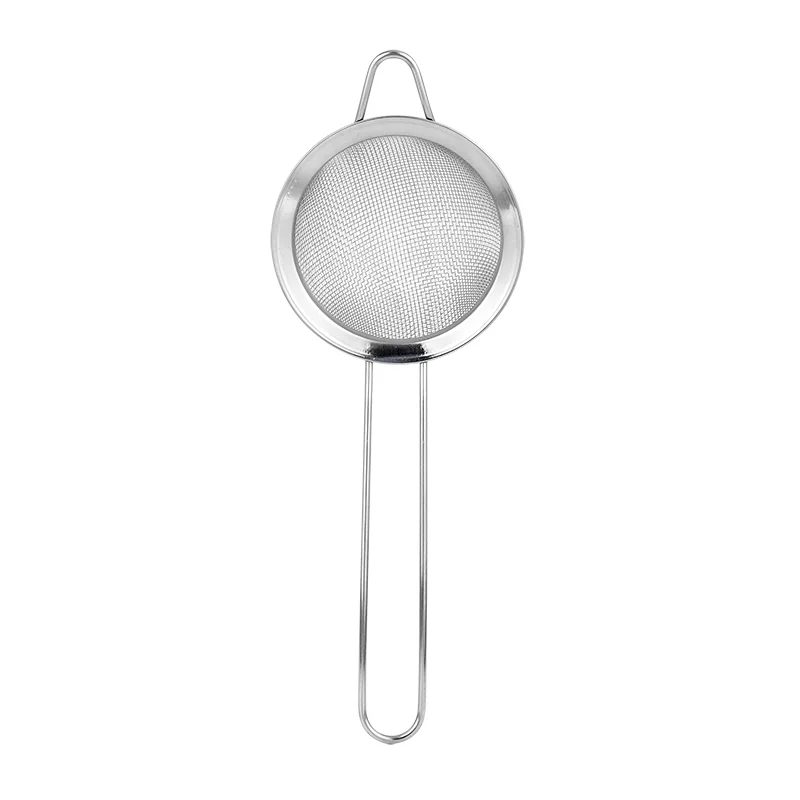
For a Manchen sample discussion, compare the tin-on-tin shaker catalog-p18-r04, marked double jigger catalog-p22-r02 and fine-mesh sieve catalog-p26-r01 against the approved coffee-cocktail workflow. Include the serving vessel and staff handling in the trial. Confirm the required components individually rather than assuming a photographed set defines the whole service.
Explore the relevant collections
Discuss your product brief ↗References & further reading
References for the reported developments and supporting techniques. Trial plans and buying worksheets are original editorial suggestions.
