Recent industry trends
Turn a creative cocktail menu into a practical tool plan
Tales’ 2026 menu award is a timely prompt to test a four-drink menu as a complete service sequence before buying more equipment.
Manchen editorial team · Updated
The short answer
Translate each drink on the menu into a row of actions, then rehearse a mixed order to find shared-tool conflicts. Record method, vessel, measuring needs, garnish and reset steps before deciding on duplicates. The recent Allegory award provides the editorial prompt; the four-drink worksheet below is original and does not describe the winning venue’s unpublished operation.
Separate the menu idea from its execution
Tales of the Cocktail Foundation’s 24 July 2026 release reports Allegory at the Eaton Hotel as World’s Best Cocktail Menu at the previous day’s Spirited Awards ceremony. That award recognizes a menu in its own program; it is separate from The 50’s October bar ranking. The release does not publish Allegory’s equipment plan.
For a different venue launching four drinks, the useful question is how a creative idea becomes an order another bartender can execute. Give each drink a clear identity, then set aside the descriptive language long enough to write the actions. A menu story and a preparation plan are related documents with different readers and different jobs.
Write four rows with the same fields
Create one row per drink with the method, measuring increments, mixing vessel, serving vessel, ice, garnish and final action. A hypothetical menu could contain a shaken citrus drink, a stirred aromatic serve, a direct-built long drink and a non-alcoholic option. These are worksheet categories, not copied menu items.
Use a consistent unit for written quantities. NIST’s volume reference provides mL notation and the relationship between milliliters and liters; mark any batch preparation separately from its per-drink use. Filling the same fields for every row exposes missing decisions that a polished menu description can easily conceal.
Read down the columns to identify shared work
Look first for repeated tasks rather than repeated ingredients. Two drinks may share a strainer even when their flavor profiles are unrelated. Another pair may use the same garnish tool at the moment both orders need finishing. Mark when each item becomes available again after the appropriate cleaning and reset.
Do not assume the solution is a full extra kit for every drink. A second measuring tool at one position, a separate prepared-garnish area or a different order of operations may address the actual conflict. Keep the tool requirement tied to a visible action so the purchasing brief remains understandable to someone who never attended the menu-development meeting.
Rehearse an actual mixed order
Choose a sample order that includes different methods and run it from ticket to table. Keep the ingredients, glasses and portions fixed for this rehearsal. Record pauses, missing information and tools that cannot return when needed. Include the final handover, because a preparation that works alone may become awkward when several finished glasses need carrying.
Repeat the same order after making a specific change. If a second spoon is proposed, note which conflict it resolves. If the team changes the method instead, revise the drink card before continuing. The rehearsal should generate a documented decision, not a vague impression that the menu needs more accessories.
Keep the launch record useful after opening
Finalize the accepted drink cards, the shared-tool list and the quantities assigned to each position. Add a version date so later recipe edits can be connected to equipment changes. A new garnish or portion may alter the finishing step even when the menu name stays the same.
For a reorder, send the current references and explain whether you need a replacement, a duplicate or a revised configuration. Those are different requests. Treat the launch rehearsal as the beginning of a useful operating record: it connects the creative menu to the tools actually required, without pretending to reveal how an award-winning venue runs its own service.
Put it into practice
- Use the same preparation fields for every menu item.
- Mark shared tools and the point at which each returns.
- Repeat a mixed order after one specific change.
- Keep drink-card versions with the final tool quantities.
Questions worth asking
Does a four-drink menu need four complete tool kits?
Not automatically. Identify simultaneous tasks and the time tools need to return after cleaning. Duplicate the items that resolve a demonstrated conflict, rather than multiplying every component because the menu has four names.
Does this worksheet describe Allegory’s actual setup?
No. The source establishes the July award. The worksheet is an independent planning method for another venue and should be completed with that venue’s own drinks, preparation requirements and service pattern.
Examples from the Manchen catalog
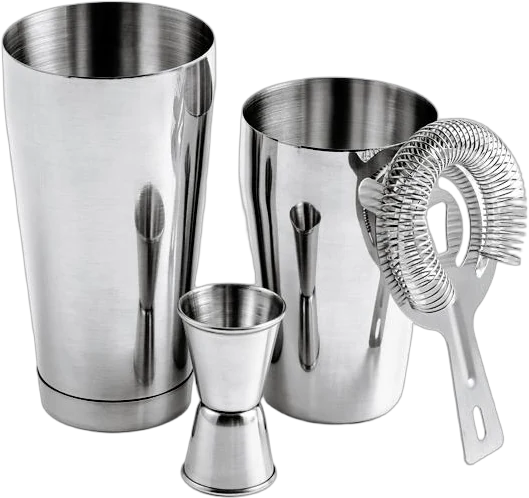
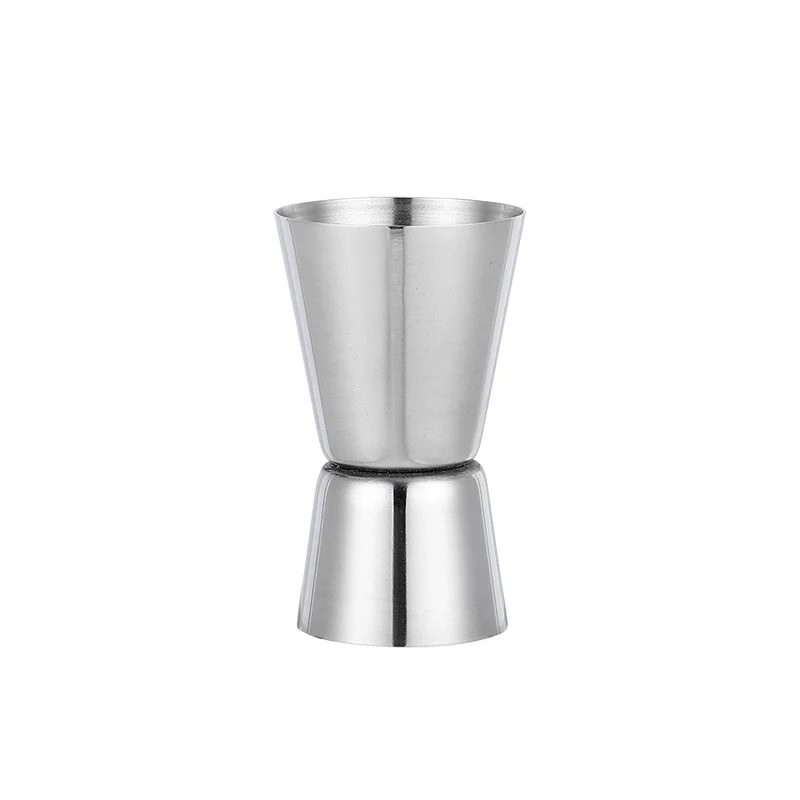
For a Manchen menu-launch brief, use the tin-on-tin set as a configuration reference, then identify separately where the straight-rim jigger and twisted spoon are required. Send the four-row preparation plan and mixed-order observations so the quotation can distinguish a complete set from specific duplicates.

Explore the relevant collections
Discuss your product brief ↗References & further reading
References for the reported developments and supporting techniques. Trial plans and buying worksheets are original editorial suggestions.
