Recent industry trends
SIAL's syrup agenda: write a dosing brief across café and bar menus
Connect small ingredient additions to the actual menu, measuring method and service conditions before selecting more tools.
Manchen editorial team · Updated
The short answer
Build a menu dosing matrix containing the recipe addition, unit, ingredient, serving context and intended measuring method. Test the proposed tools with the chosen ingredient and workflow. Purchase around that confirmed range of tasks, rather than assuming one familiar jigger or a supplier's nominal capacity will suit every drink.
Use the event as an ingredient-planning prompt
SIAL Paris scheduled an October 19 session on reinventing the syrup category, featuring Teisseire and Mâche&Maché. The organizer's programme describes changing consumption occasions and personalization. It does not provide published conclusions proving a particular tool choice. For buyers, the useful connection is the growing need to describe how the same ingredient is handled across different menu tasks.
Starbucks's November 4 holiday announcement offers a concrete first-party example of seasonal drinks using syrups and layered formats. It is an example from one operator, not a template every café should copy. Use the two sources to start a local menu review, then let your own recipes and service constraints define the equipment brief.
Build one matrix from the actual menu
List each drink that uses the ingredient, the required addition, unit system, serving size and preparation sequence. Add whether the addition is measured directly, dispensed through another device or prepared as part of a batch. Keep recipe ownership with the operator. Procurement's job is to ensure the tools are being compared against the same approved tasks.
For a hypothetical café-bar menu, an iced coffee, a mixed drink and a non-alcoholic serve may share one syrup but use different additions. Record each row instead of choosing a tool from the largest number alone. Small additions and repeated steps can matter as much as the maximum amount when evaluating a practical workflow.
Compare methods rather than nominal capacities
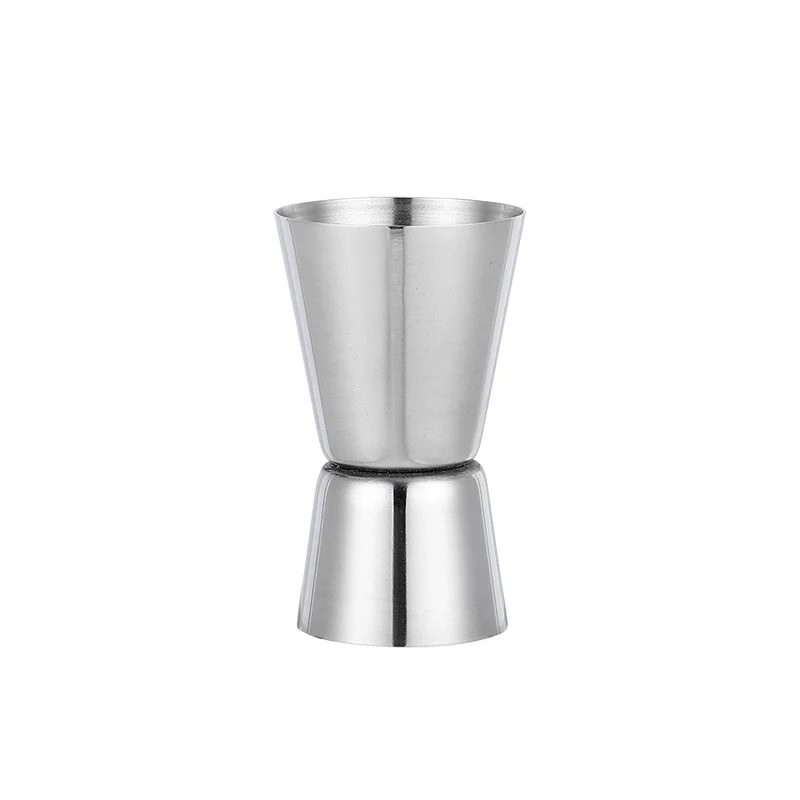
Identify the measuring method proposed for each row and the markings the operator needs. A double-sided jigger may provide a useful format for some tasks, while another dispensing method may suit others. Check that the relevant units and reading points are clearly specified. A product name or photograph cannot establish the exact markings available on an ordered configuration.
In a hypothetical comparison, one candidate could require several fills for an addition while another is awkward for the smallest dose. Ask staff to demonstrate the full sequence, including transfer to the vessel. The aim is to select a method that fits the task, not to declare that a larger or more detailed measuring tool is always better.
Pilot the chosen ingredient under real conditions
Use the operator's chosen ingredient and normal service conditions for the pilot. Observe filling, reading, pouring, residue and reset, and record what staff find difficult. Different ingredients and handling conditions can change the practical sequence; a water-only check should not be treated as proof of every syrup workflow. Follow the operator's relevant handling and cleaning procedures throughout.
Use a hypothetical trial record with drink reference, tool reference, measuring sequence, observation and proposed adjustment. If staff add an unplanned rinse or repeat fill, record that step. The result can be a revised method or clearer instructions rather than a new purchase. Keep any accuracy claim within what the actual evaluation supports.
Buy the approved method and maintain the matrix
Turn the pilot result into a purchasing line with the tool reference, required units or markings, intended task and approval record. Identify which menu rows the tool covers and which remain separate. This prevents a successful test for one drink from becoming an unsupported claim that the tool handles the entire menu equally well.
Review the matrix when a recipe, ingredient or service format changes. A seasonal menu can introduce a new small addition without changing the largest listed dose, so a capacity-only review may miss the practical difference. Keep the menu owner and purchasing owner connected through the same record, and retain the earlier version for reference.
Put it into practice
- List additions by drink and serving context.
- Specify units, markings and measuring method.
- Pilot with the actual ingredient.
- Update the matrix when the menu changes.
Questions worth asking
Can a single jigger cover every syrup addition?
Possibly, but confirm the complete range of tasks and actual markings first. Observe the smallest addition, repeated fills, transfer and reset rather than checking only the largest nominal volume.
Does the SIAL session prove a specific tool is required?
No. The programme establishes a dated industry discussion. Your operator's menu, pilot and purchasing requirements determine the appropriate method and configuration.
Examples from the Manchen catalog
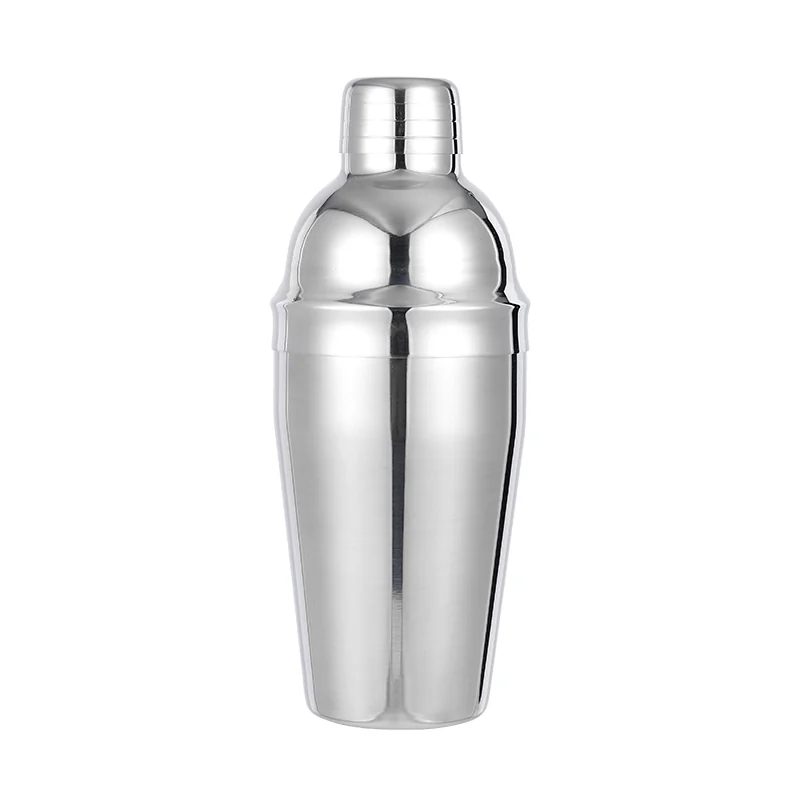
For a Manchen jigger inquiry, attach the dosing matrix and identify the desired catalogue profile. Ask which capacities and markings can be confirmed for that configuration, then evaluate a suitable sample against the operator's actual menu tasks.
Explore the relevant collections
Discuss your product brief ↗References & further reading
References for the reported developments and supporting techniques. Trial plans and buying worksheets are original editorial suggestions.
