Private label & sourcing
Food-contact documents for barware: match the evidence to the article
Review material, coating, intended use and traceability instead of treating a steel grade or a familiar logo as universal approval.
Manchen editorial team · Updated
The short answer
Food-contact review starts with the destination market and the finished article’s materials and intended use. Ask what evidence applies to the exact components, coatings and contact conditions. A steel-grade statement, unrelated test report or supplier’s general “FDA” claim does not establish that every bar tool is compliant.
Describe what touches the drink and how
Map the surfaces that contact liquids, fruit, ice or the user’s mouth. A tool may combine metal, a polymer head, decoration and an adhesive or joint material. Record the intended food types, temperature range, contact duration and repeated-use conditions relevant to the actual application. These inputs help a competent reviewer determine the applicable assessment. Do not assume an external decorative finish has no relevance without checking where the liquid and cleaning process can reach.
Distinguish a legal framework from a product claim
The European Commission identifies Regulation (EC) No 1935/2004 as the general food-contact framework, alongside good-manufacturing and material-specific rules. Applicable documentation depends on the materials and market requirements; rules for plastic materials should not be presented as the sole rule for an entire metal set. In the United States, FDA describes authorizations for food-contact substances under defined conditions, with food-contact notifications having specific company and intended-use scope. Neither explanation is a certification of a particular Manchen product.
Read the report identity before its conclusion
Check the applicant, sample description, material or coating, product reference, test conditions, date and issuing laboratory. Ask how the tested sample relates to the proposed order. A report for an uncoated cup may not answer questions about a newly coloured version, while one component’s result does not automatically cover every accessory. Request clarification from the supplier or laboratory when the scope is unclear. Avoid copying a pass statement onto retail packaging before the connection has been established.
Keep evidence tied to production changes
Maintain a file linking the approved configuration, component materials, relevant reports and supplier declarations where required. Record lot or order identifiers that support traceability. Revisit the assessment when material, coating, supplier or intended use changes, rather than assuming an old file remains universally valid. A practical procurement checklist can organize the questions, but market-specific legal determinations and testing plans require appropriate expertise. The goal is a defensible evidence chain for the product actually supplied.
Put it into practice
- Define destination, contact materials and intended conditions.
- Match every report to the proposed configuration.
- Review changes before reusing old evidence.
Questions worth asking
Does 304 stainless steel automatically prove food-contact compliance?
No. Grade is only one material description. The finished article, coatings, manufacturing and intended use still need the evidence applicable to the market and configuration.
Examples from the Manchen catalog
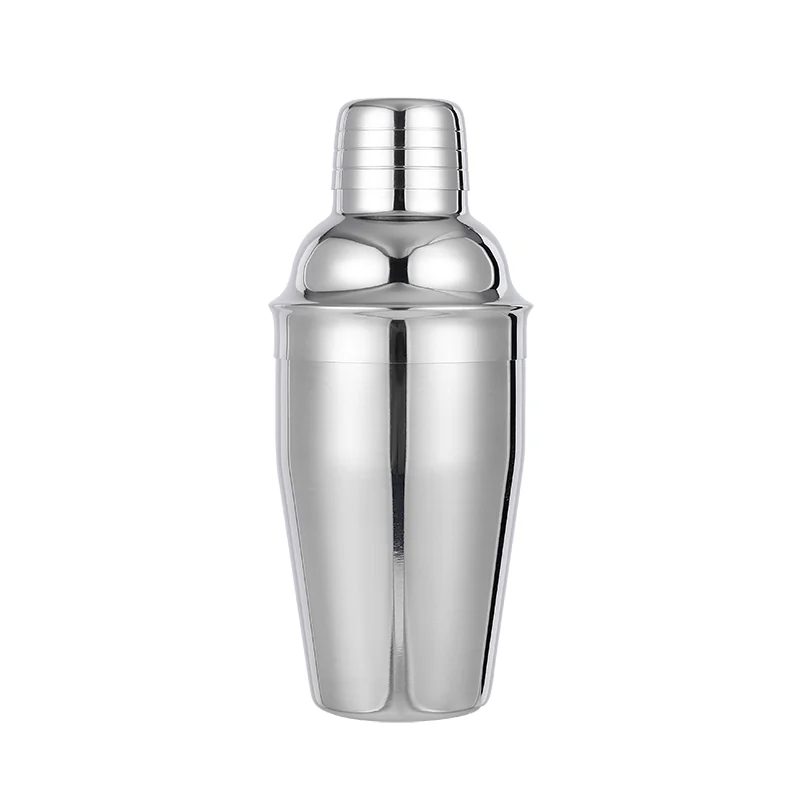
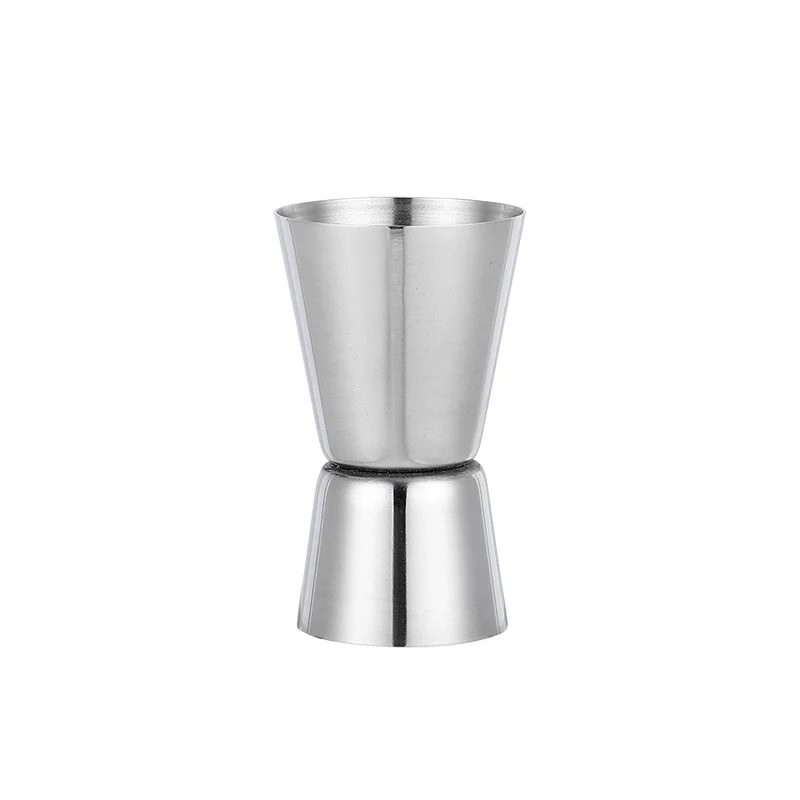
Use a Manchen catalog reference to identify the proposed article, then ask for its component materials and applicable supporting documents. Confirm these for the selected finish and destination. The educational explanation here helps frame the discussion; it does not claim that every pictured tool carries the same report or approval.

Explore the relevant collections
Discuss your product brief ↗References & further reading
These references explain general techniques and requirements. They do not establish certification or tested performance for a Manchen product.
