Bar setups & service
Choosing bar tools for smoother service
Look for fewer searches, awkward handoffs and mismatched parts, then verify improvements with a realistic service trial.
Manchen editorial team · Updated
The short answer
Tools support smoother service when they fit the menu, the operator and one another. Start by observing where work stops: finding a measure, changing grip, clearing a blocked sieve or waiting for clean parts. Buy against that specific interruption rather than accepting an unmeasured claim that one design is faster.
Observe the interruption before changing the tool
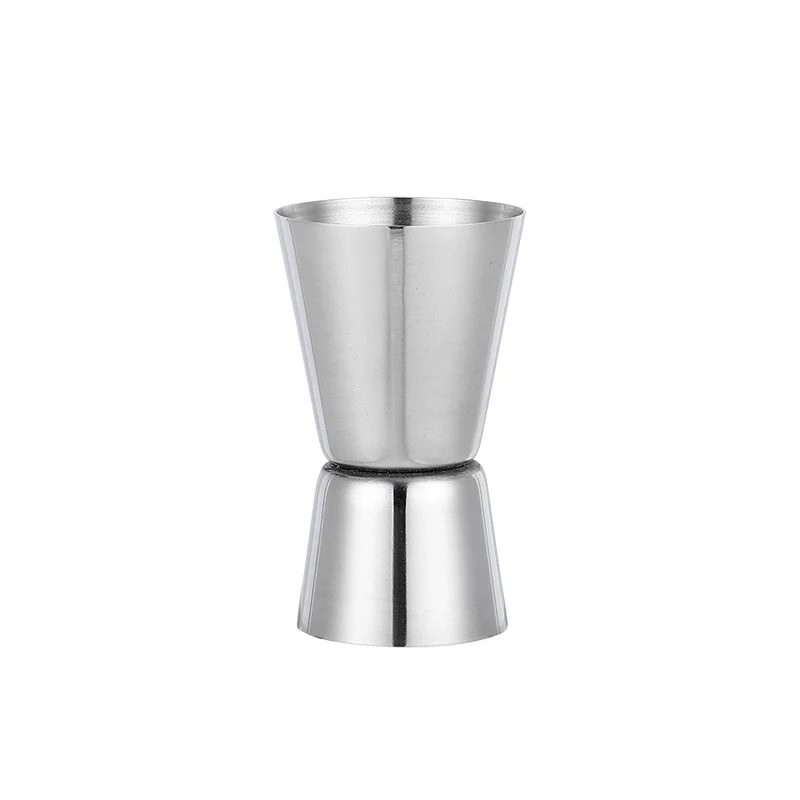
A slow-looking task may have several causes. The jigger could be hard to read, the common recipe measure may require two fills, or staff may keep it in an inconvenient location. Similarly, a shaker that takes time to open may be a training issue, a fit issue or the wrong assembly for that team. Note the exact point where motion stops and keep the recipe constant while evaluating alternatives. Otherwise a tool purchase can leave the original bottleneck untouched.
Compare complete sequences rather than isolated gestures
A tool that measures quickly but drips during transfer may create extra cleanup. A fine sieve that gives the desired texture can still become a recurring blockage with the menu’s pulp load. Test from ingredient measurement to final handoff, including resetting the station. Record errors and interruptions as well as elapsed time. The aim is a repeatable service result, not merely a dramatic demonstration of one fast movement performed by an expert.
Value compatibility and replaceable working sets
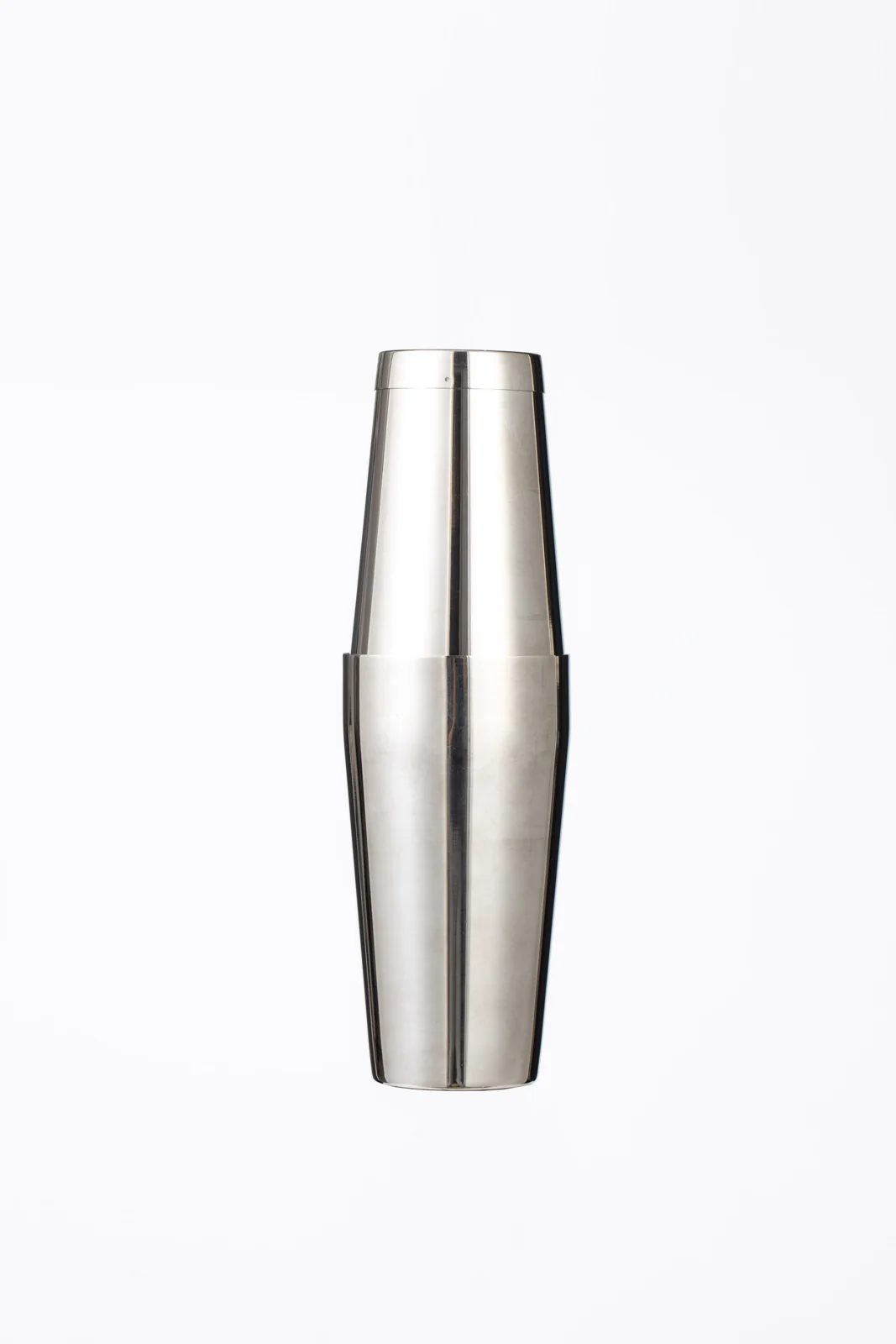
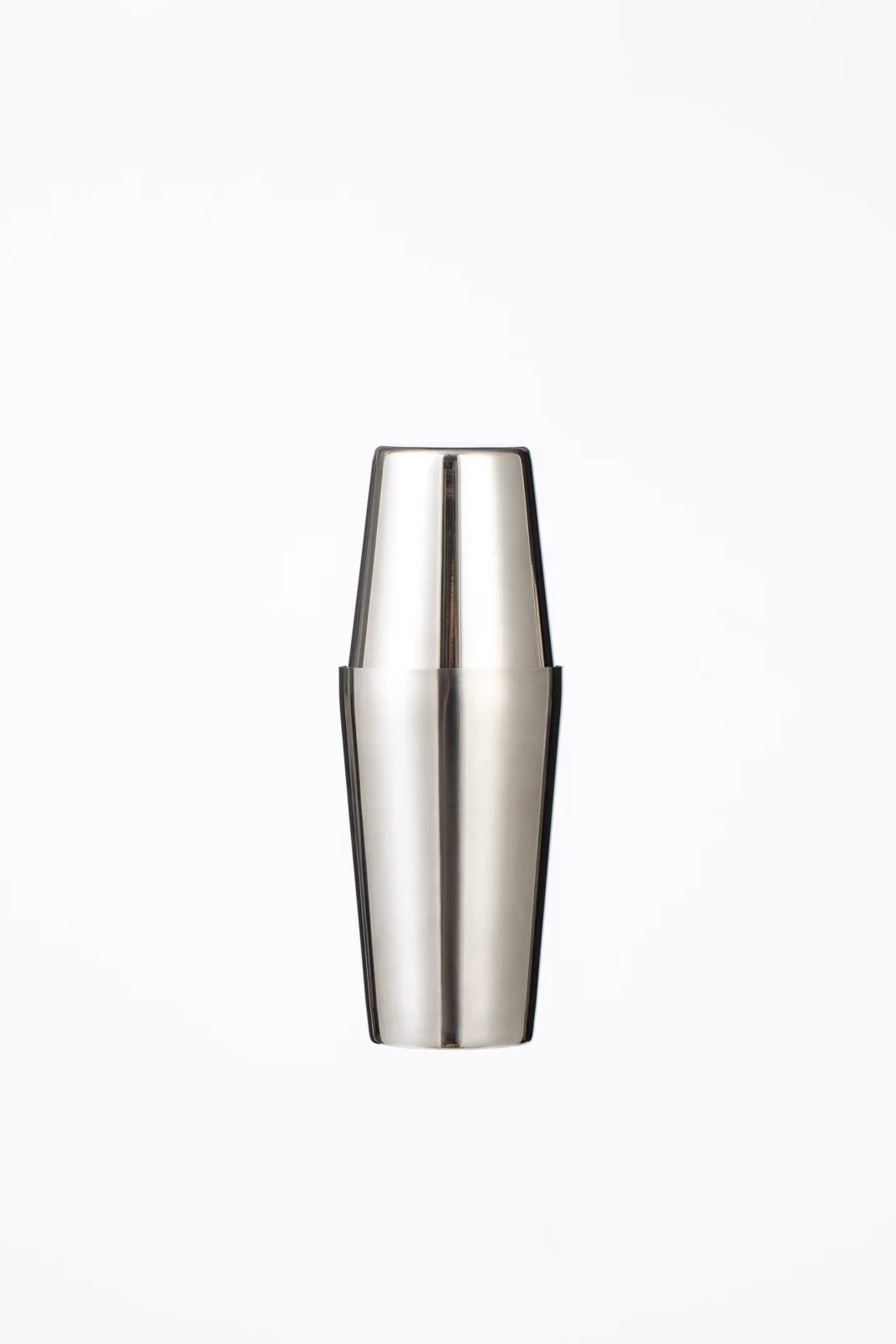
Check the proposed shaker and strainer as a pair, the spoon against vessel depth, and the measuring marks against the recipe list. If a part goes for cleaning, verify what compatible replacement remains available. A coordinated finish does not guarantee compatible geometry. For a multi-station purchase, keep the approved component reference and pairing information so that replenishment does not create a collection of similar-looking but incompatible parts. This can reduce avoidable searching without promising a particular throughput.
Make improvements teachable and measurable
Trial the proposed tools with the people who will use them, including less experienced staff. Use the same menu sample, starting conditions and reset requirements for each comparison. A hypothetical practice exercise can identify problems, but only measured operational data can support a numerical time-saving claim. Document the new layout and handling routine after approval. If training becomes more complicated or cleaning takes longer, include that cost in the decision rather than focusing solely on the front-of-house gesture.
Put it into practice
- Name one interruption the new tool should resolve.
- Compare the full measure-to-reset sequence.
- Record errors and cleaning effort as well as time.
Questions worth asking
Does professional styling prove faster service?
No. Appearance, weight and price do not establish a time saving. Evaluate fit, readability, handling and reset in your own menu workflow before making that claim.
Examples from the Manchen catalog
Use the Manchen catalog to shortlist alternatives for a specific interruption: a more suitable jigger measure, a different vessel format or a compatible strainer. Ask for dimensions and sample options, then run a controlled team trial. Keep the final component list for repeat orders so the approved workflow remains reproducible.