Recent industry trends
Plan a hot-and-cold coffee cocktail tasting
The 2026 Coffee in Good Spirits winner connected cold and warm drinks through one theme. Build your own pair with distinct service plans.
Manchen editorial team · Updated
The short answer
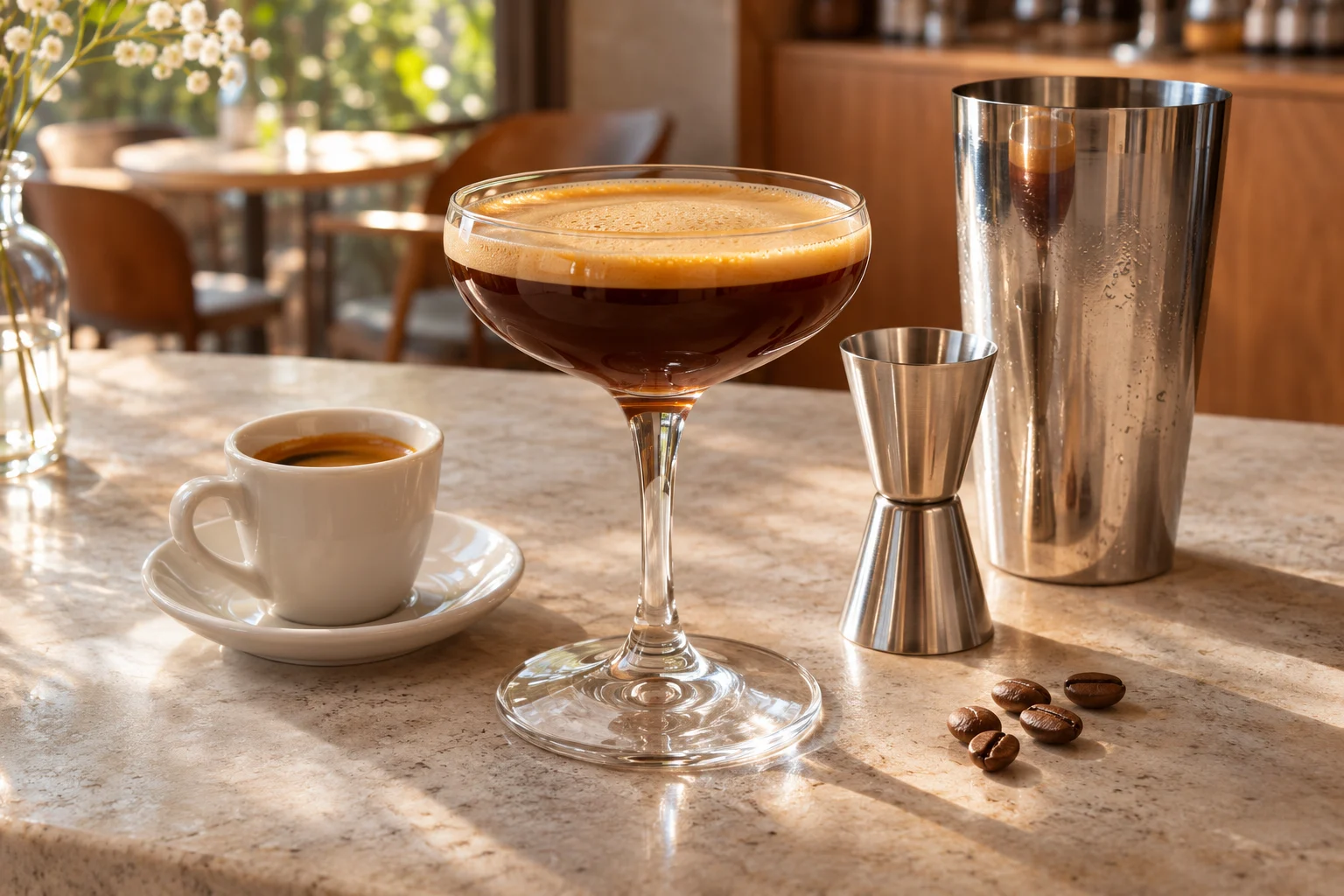
Create a paired tasting by choosing one theme, then writing separate cold and warm service cards. Record the coffee preparation, measured additions, vessel and final action for each drink. The competition result supplies the inspiration; the planning example here is original and does not reconstruct the winner’s unpublished recipes or equipment.
Use a shared idea without copying the winning drinks
The World Coffee Championships’ 28 June 2026 announcement names Andy Philein as the Coffee in Good Spirits champion in Brussels. It describes two space-inspired drinks: a cold signature called Saturn and an Irish Coffee titled Afterglow of the Cosmos. The announcement provides a theme and format, not a complete recipe specification.
For an independent tasting, choose a theme your host can explain in one sentence. A morning-and-evening pair, for example, might contrast a bright cold serve with a warm finishing drink. Name the contrast before choosing elaborate garnishes. The connection should help guests follow the tasting rather than require a long explanation between every sip.
Give the coffee its own preparation record
Write down the coffee product, brewing method, preparation time and intended serving condition before recording the alcoholic or non-alcoholic additions. If the coffee changes between rehearsals, the host may mistake a brewing difference for the effect of a new garnish or spirit. Keep a small tasting note with each trial.
For the cold serve, state whether the coffee reaches the build already chilled or is cooled during a defined preparation step. For the warm serve, record how it reaches the intended service condition. Follow the relevant equipment and vessel instructions. A coffee cocktail card needs more information than the instruction to add one coffee.

Separate the cold build from the warm finish
For an original cold drink, choose its method after testing the actual ingredients. A shaken preparation, a stirred preparation and a direct build create different work sequences. List any filtering step where it belongs, rather than assuming every coffee serve needs a fine sieve or a shaker.
The IBA’s Irish Coffee reference uses warm coffee, whiskey and sugar, with chilled cream added carefully over a spoon. It offers a named example of a warm drink’s distinct finishing action. Consult the full reference if making that classic. A spoon used for the final layer has a different immediate role from one stirring a cold drink in a mixing vessel.
Test the pair in its intended order
Rehearse the two serves as guests will receive them, including the explanation and the interval between drinks. A warm drink may require a different handover pace from a cold sample. Check the last serving as well as the first; the pair should not depend on everyone being served at exactly the same instant.
Use vessels suitable for the intended temperature and follow their manufacturer’s guidance. Confirm portions with the complete garnish or cream finish in place. Leave practical headspace and make carrying part of the rehearsal. These observations help refine the session without claiming that a particular bar tool guarantees a serving temperature or a perfect layer.
Turn the rehearsal into a compact tool brief
List the tools for each route beside its preparation card. The cold serve might need measuring, mixing and straining; the warm route might need measuring, stirring and controlled finishing. Mark shared items and any point where one tool cannot return in time. Include appropriate cleaning and ingredient-handling arrangements in the session plan.
Then remove accessories without a defined action. A two-drink theme does not require two identical full kits. Keep the final coffee record, recipe card and tool list together so another host can reproduce the planned experience and identify which variable changed when the next version is developed.
Put it into practice
- Choose one theme and two clearly different service routes.
- Record the coffee preparation separately from added ingredients.
- Test vessels and portions at the intended serving condition.
- Rehearse both drinks in order, including the handover.
Questions worth asking
Can I make the champion’s drinks from the announcement?
The announcement gives names and a theme, not complete formulas. Use it as inspiration for an original pair, or locate a recipe released by its owner before claiming to reproduce a competition drink.
Does a coffee cocktail always need shaking?
No. Select the method for the actual recipe. The IBA Irish Coffee reference has a warm assembly and a cream-finishing step, which illustrates why coffee drinks should not all be assigned the same shaker workflow.
Examples from the Manchen catalog
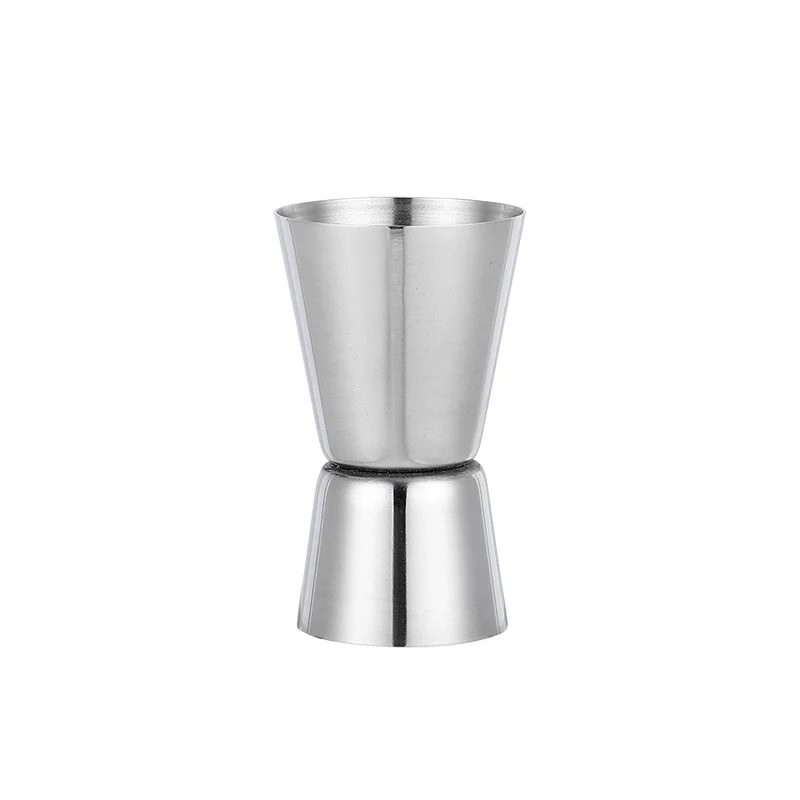
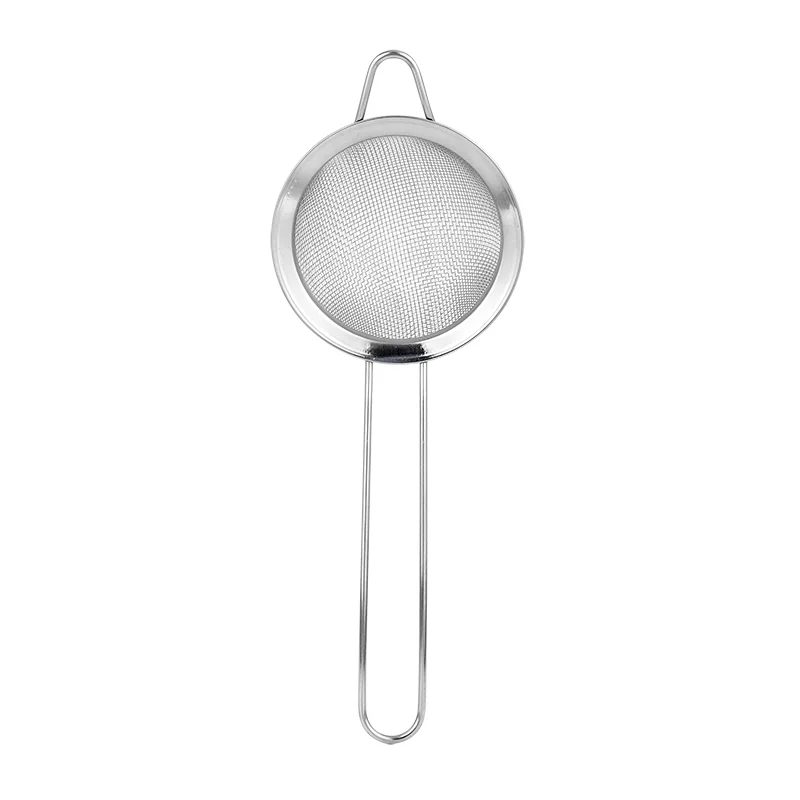
For a Manchen coffee-tasting inquiry, use the straight-rim jigger as a measuring reference and the wide-bowl spoon as a separate finishing option. Add the fine-mesh sieve only for a tested cold recipe that needs it; confirm dimensions and cleaning guidance for the selected products.
Explore the relevant collections
Discuss your product brief ↗References & further reading
References for the reported developments and supporting techniques. Trial plans and buying worksheets are original editorial suggestions.
