Private label & sourcing
A private-label barware tech pack that people can actually use
Turn a product idea into linked component, artwork and packaging records, with a clear place for unresolved decisions.
Manchen editorial team · Updated
The short answer
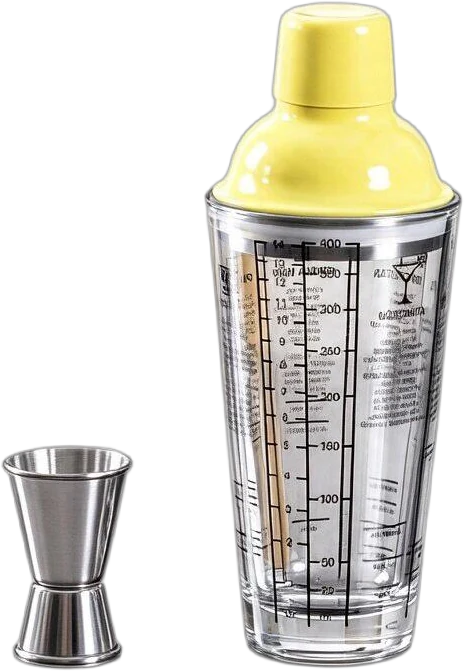
A useful tech pack is a controlled description of one sellable configuration. It links the component list, dimensions, materials, finish, artwork, packaging and approval records. Give it a version and separate confirmed requirements from open questions; a reference photograph alone cannot carry those decisions.
Define the unit that will be sold
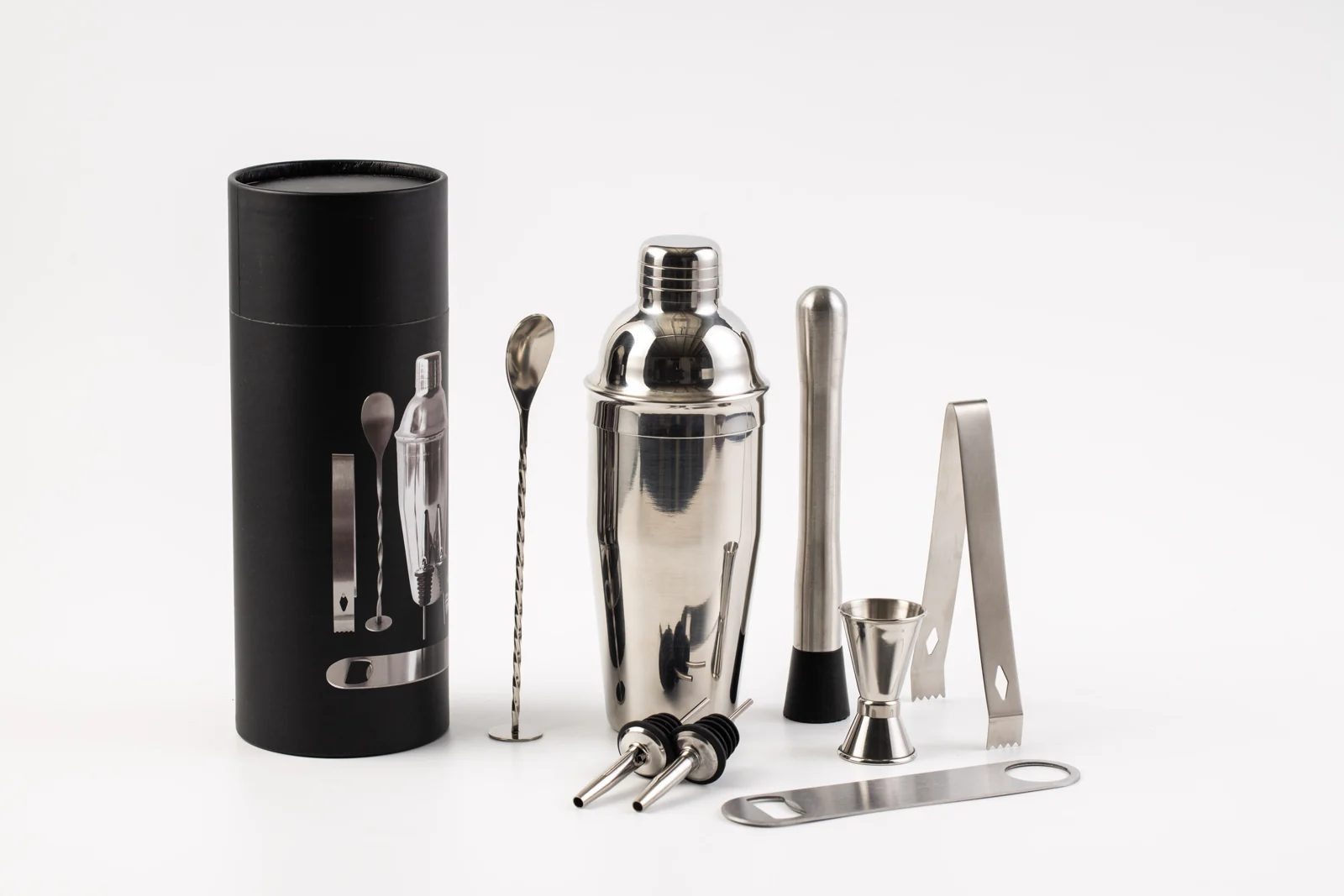
Start by naming what the customer receives: one shaker, a two-tin pair, or a complete set with a stand and individual accessories. Number each component and show its quantity. An illustrative ten-piece gift set might count both a shaker cap and several picks as separate pieces; that number alone does not describe its usefulness. Build a component table with a photograph or drawing reference for each item, and keep optional add-ons outside the approved base configuration.
Link the files instead of hiding decisions in email
Give the drawing, artwork, finish sample and packing layout their own identifiers, then reference them from one master sheet. “Logo final” is not a reliable filename if several files have that name. Include a revision date and identify who approved each release. Keep one current issue for quotation and sampling, with earlier versions retained as history. This reduces the chance that a factory uses a new logo with an old tool list or an outdated insert.
Turn adjectives into inspectable requirements
Words such as premium, heavy-duty and gold are useful mood references but incomplete acceptance criteria. Explain which surface is visible to the customer, where a logo sits and which parts must fit together. Identify the specified material per component rather than assigning one grade to an entire mixed-material kit. If a feature is undecided, mark it as a question with an owner and a decision date. Do not fill missing values with assumptions simply to make the document appear complete.
Release the pack as a coordinated change
Before requesting a revised quote, check whether a change affects adjacent decisions. A wider jigger can alter stand clearance and the retail insert; a heavier gift box can affect carton weight. Issue a short change log naming the old requirement, the new requirement and the approvals that must be repeated. Ask the supplier to acknowledge the exact release used. The tech pack becomes useful when it controls communication, not merely when a large PDF has been assembled.
Put it into practice
- Identify every component and quantity.
- Link current drawing, artwork and packaging versions.
- List open questions before asking for a firm quotation.
Questions worth asking
Can a supplier photograph replace a tech pack?
It can identify a visual starting point, but it does not establish materials, measurements, included parts or packaging. Use it as a labelled reference inside the pack and confirm the remaining requirements separately.
Examples from the Manchen catalog
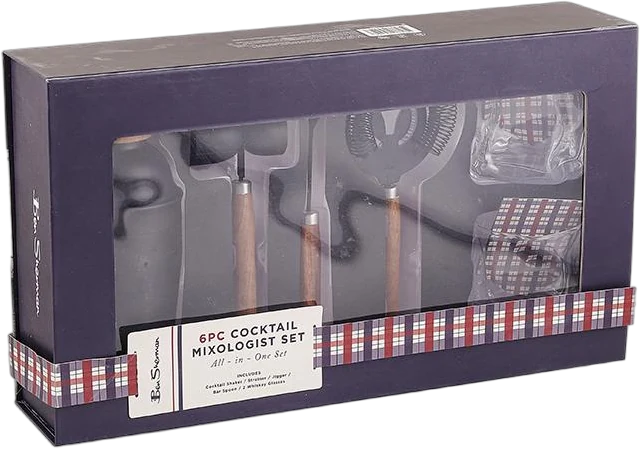
Use Manchen cocktail-set and stand-set references to shortlist a configuration, then build the component record around the selected example. Send the current tech pack with an OEM inquiry so the team can identify available options and unresolved details. The discussion should confirm the exact proposal rather than assume every photographed accessory is included.
Explore the relevant collections
Discuss your product brief ↗References & further reading
These references explain general techniques and requirements. They do not establish certification or tested performance for a Manchen product.
