Recent industry trends
Tea crosses the cocktail divide: one ingredient family, several service formats
Distinguish brewed tea, tea powder and packaged sparkling tea before developing the recipe, measuring brief and finished service.
Manchen editorial team · Updated
The short answer
Tea-led drinks need a format decision before a tool decision. Identify whether the recipe starts with brewed liquid, a powder preparation or a packaged sparkling product, then define its measured role and finishing method. A small pilot can compare the guest experience and preparation work without treating every tea ingredient as interchangeable.
Read tea as a flexible flavor platform
IWSR’s analysis published on 27 July 2026 describes tea-led innovation across alcoholic and nonalcoholic formats. For a venue, that offers a useful development question: which form of tea suits the occasion and the existing station?
Start with the drink’s intended role rather than a list of fashionable tea names. A quiet afternoon option, an aperitif-style serve and a mixed evening drink may need different presentations. Write the intended flavor and service in a sentence before choosing an ingredient. This keeps the project grounded in a clear menu purpose instead of asking one tea product to satisfy every occasion.
Separate three ingredient formats
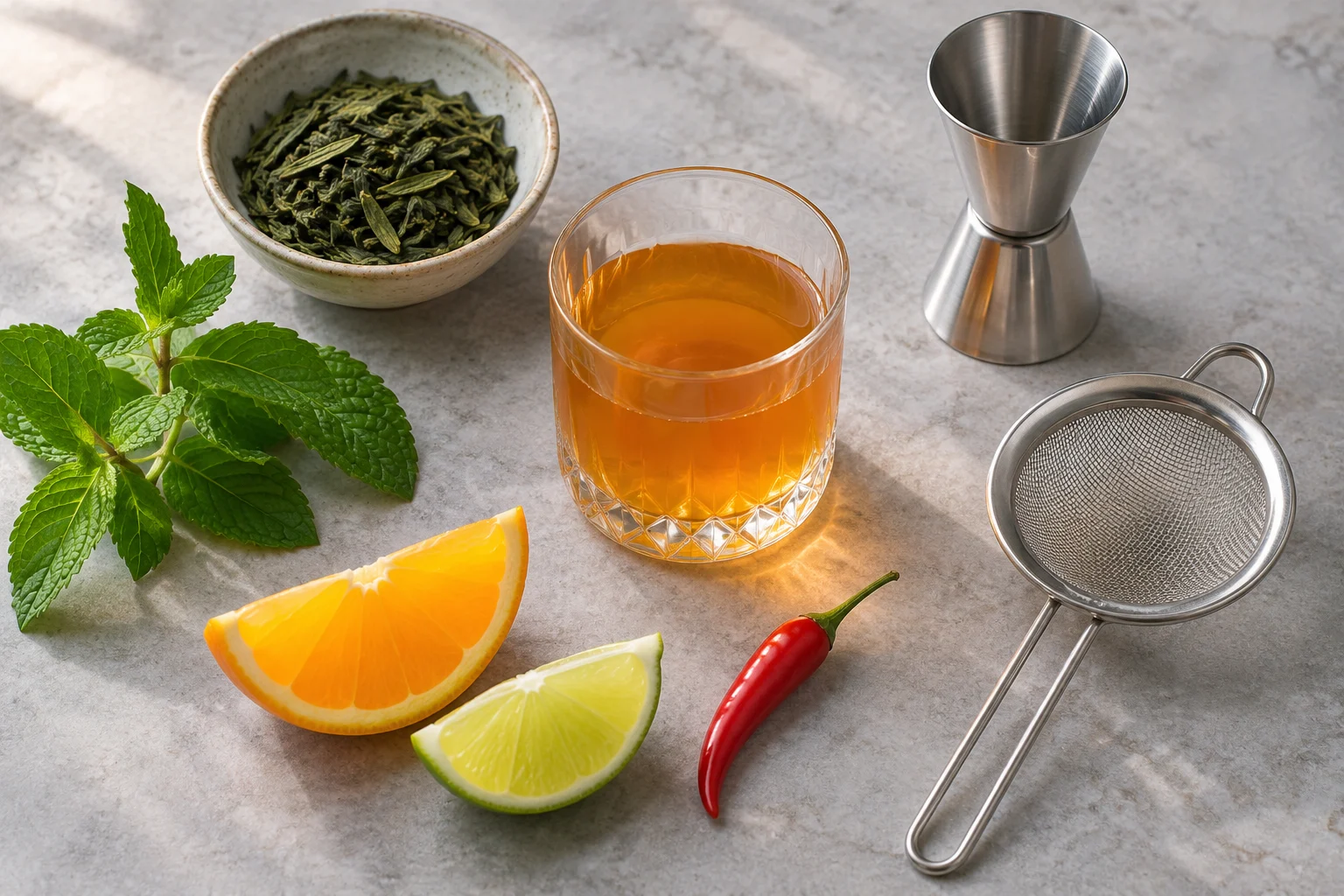
Build an illustrative comparison with three rows: brewed tea used as a measured liquid, a tea-powder preparation and a packaged sparkling tea finished in the serving vessel. Record ingredient identity, preparation owner, measuring step, serving method and required customer information. The rows illustrate development choices; they are not equivalent recipes.
Use the actual supplier’s product information when completing the sheet. A product name alone does not tell staff whether it contains sugar, alcohol or additional ingredients. Keep that information with the approved card so a replacement product receives a deliberate review. This is more useful than giving every tea drink the same vague preparation instruction.

Write a preparation handoff that survives a shift change
If the team prepares a tea component in-house, define the approved method and how the finished component is identified within the venue’s handling procedures. Name the person who prepares it and the person who checks the service supply. The bartender should not need to guess which container belongs to which recipe.
Rehearse a shift change using the written card. Ask the incoming colleague to locate the component, identify its recipe and explain its measured role. Record any question the card fails to answer. This exercise often reveals a missing label or responsibility more directly than buying another piece of equipment at the start of the project.
Choose mixing and finishing from the real recipe
Sample the measuring and mixing arrangement with the selected tea component. Observe whether staff can reproduce the approved appearance and flavor using the written sequence. A powder preparation may need a different development trial from a clear brewed liquid; define the desired result before deciding on the tools.
For a packaged sparkling tea, plan a finishing route that follows the product and recipe directions, rather than automatically sending it through a shaker. Keep the serving vessel, ice decision and garnish together in the card. The useful standard is the complete drink the team has approved, not the assumption that every tea-led menu item shares one mixing technique.
Evaluate a guest choice rather than a wellness promise
The National Restaurant Association’s August 2026 US beverage report includes tea among areas where consumers seek choice. A venue can respond with a flavor-led explanation that helps guests understand the tea’s role, the serving temperature and whether the drink contains alcohol.
During a pilot, collect questions about taste, ingredients and format alongside preparation notes. Avoid building the sales description around unverified health effects. At review, retain the version the team can explain and execute clearly, then save its ingredient record, preparation method and serving photograph. That makes the tea offer a maintained part of the menu instead of a name briefly added to follow a trend.
Put it into practice
- Identify the tea format before selecting a mixing method.
- Record the actual product and its ingredient information.
- Rehearse preparation and shift handover from the card.
- Review flavor questions and preparation work together.
Questions worth asking
Can brewed tea and a tea powder share one recipe instruction?
Only if the instruction explicitly defines the actual preparation used. They are different ingredient formats and should be tested on their own terms. Record the approved component and quantity rather than allowing staff to substitute a similarly named tea without reviewing the finished drink.
Should a tea cocktail be described as healthier?
Describe the verified ingredients, flavor and alcohol status. The presence of tea does not establish a health benefit for the finished beverage. A clear sensory description and accurate product information give guests useful reasons to choose the drink without requiring a wellness claim.
Examples from the Manchen catalog
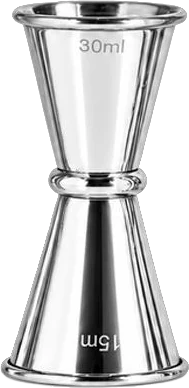
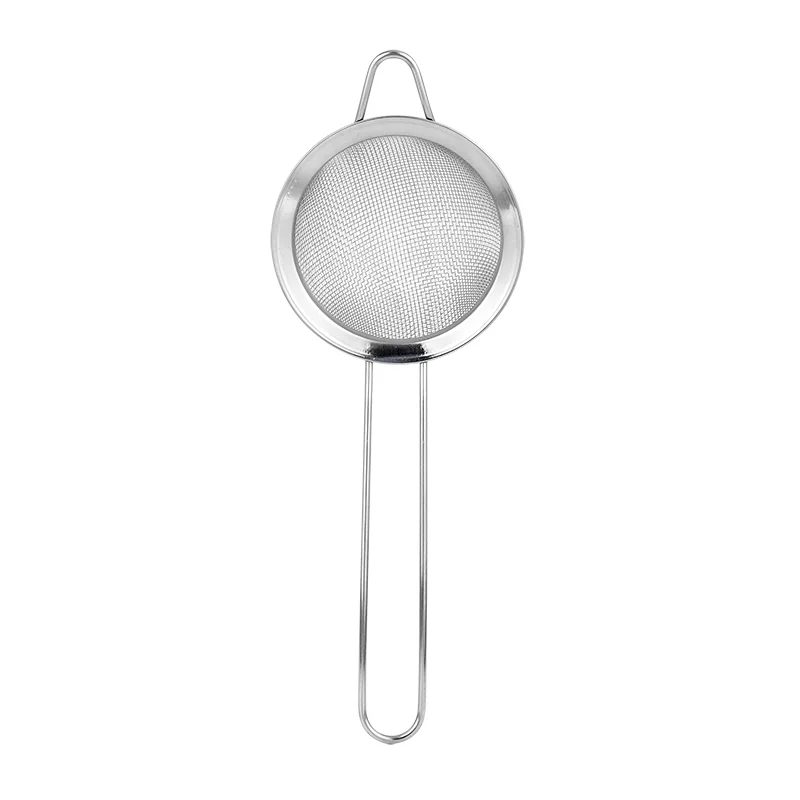
Compare Manchen’s marked jigger catalog-p22-r02 and twisted bar spoon catalog-p26-r06 with the approved tea-drink cards. Where a recipe requires a separate straining step, evaluate sieve catalog-p26-r01 with the actual component. Confirm each tool through the pilot, keeping format decisions and product information visible in the inquiry.
Explore the relevant collections
Discuss your product brief ↗References & further reading
References for the reported developments and supporting techniques. Trial plans and buying worksheets are original editorial suggestions.
