Recent industry trends
Holiday 2026 value pressure: build a clear three-tier barware assortment
Translate holiday shopping intentions into an assortment worksheet that explains useful upgrades, promotional costs and reorder choices.
Manchen editorial team · Updated
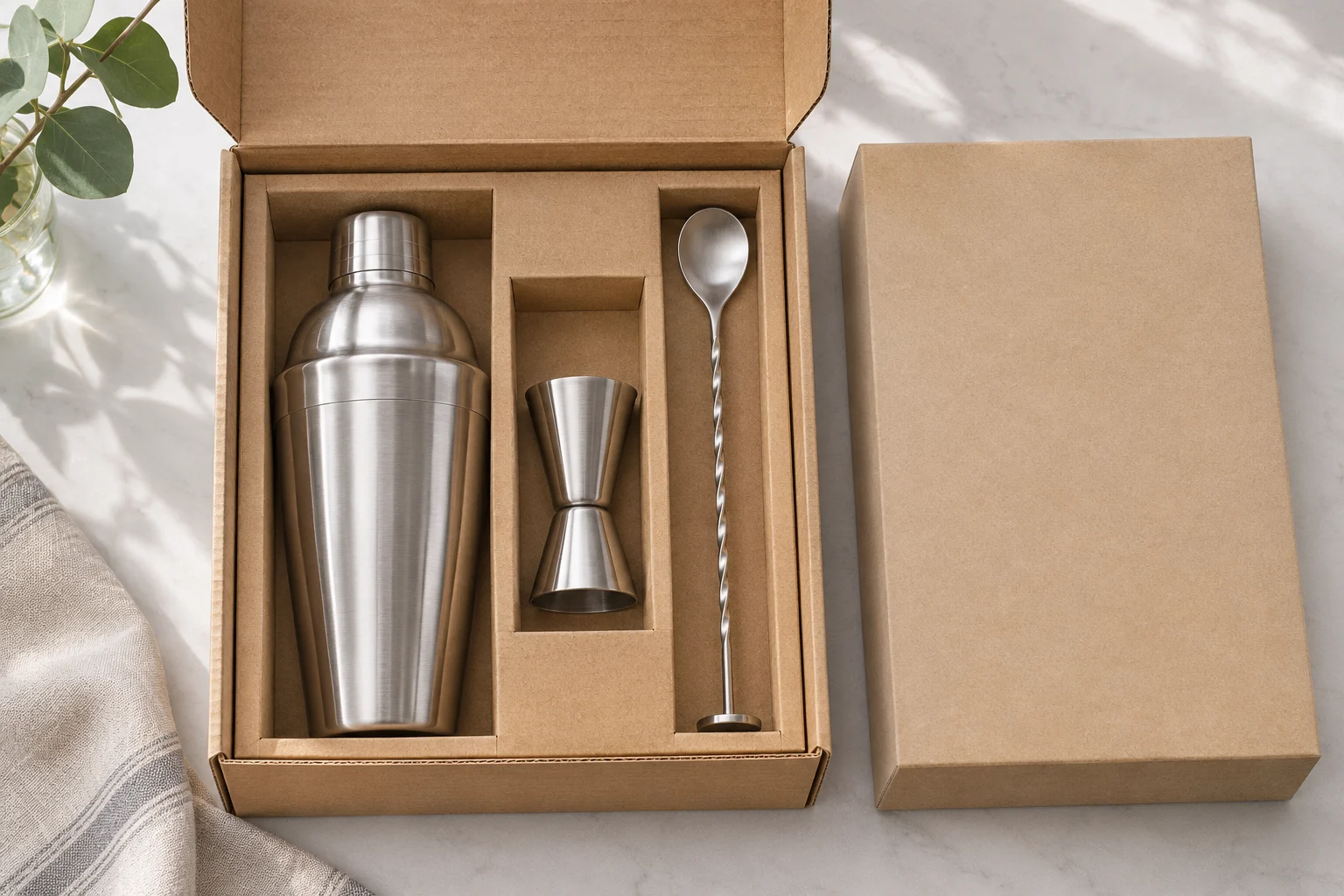
The short answer
Give each assortment tier a clear job and one understandable reason to trade up. Compare the actual tools, presentation and commercial costs rather than relying on piece count. Use current holiday research to frame the discussion, then set quantities from your own channel evidence and available inventory.
Use the survey as a question, not a sales forecast
NRF reported on October 28 that 64% of surveyed consumers were likely to wait until Thanksgiving weekend for most holiday shopping. It also found that merchandise quality mattered when choosing retailers. This combination gives a barware buyer a useful question: can the assortment communicate value quickly when shoppers compare several offers at once?
Adobe's September holiday forecast offers another view of the promotional season, but neither source predicts demand for your particular cocktail set. Keep the market context beside your own sales, returns and stock records. The worksheet below is an editorial method for deciding how an assortment differs, not a recommendation to expand orders because a headline sounds positive.
Give entry, core and premium different jobs
Start with a single customer occasion, such as a first cocktail-making gift. The entry tier should complete its promised task; it should not need an undisclosed extra tool just to become usable. Define the core tier through a meaningful workflow or presentation difference. Give the premium tier a specific benefit that staff can demonstrate without inventing durability or material claims.
For a hypothetical range, the entry offer might prioritize compact storage, the core a different mixing workflow and the premium a display arrangement. These are possible positioning choices, not specifications of named products. Write each tier's promise in one sentence, then check it against the actual component list and approved sample.
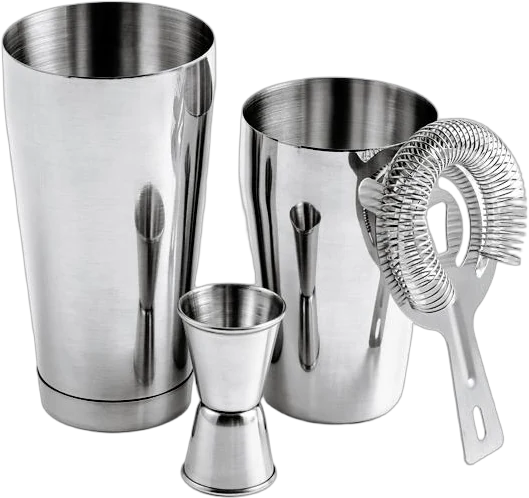
Build the comparison customers actually need
Use columns for intended task, included components, storage footprint, presentation and verified care information. Add a final column called reason to choose this version. If that field only says more pieces, inspect whether the extra items change the experience or merely increase the count. Two tiers that tell the same story may create unnecessary buying and inventory complexity.
Ask a colleague unfamiliar with the range to explain the differences from the comparison alone. Record questions about ambiguous accessory names or missing inclusions. This check is especially useful where photography shows optional tools. Fix the selling information before deciding that a lower price is the only way to make one tier attractive.
Cost the offer after the promotion
Record the complete sellable configuration, packaging, handling and the retailer's applicable selling costs. Compare the planned promotional offer with a buyer-defined contribution threshold. A low unit quotation can still support an unattractive promotion if it adds packaging work, slow picking or a confusing substitution. Keep the calculation attached to the version customers will receive.
In a hypothetical two-offer review, one set could arrive ready for retail while another needs local assembly. Enter that assembly effort before comparing offers. The purpose is not a universal margin formula; it is to expose costs that change between tiers. Assign a commercial owner to approve the planned offer and the conditions under which it can run.
Set reorder rules before the peak
Choose the evidence that will trigger a reorder: sell-through by channel, finished-set availability and the time needed to receive stock. Avoid letting a promotional spike in one location automatically reset every market's order. Keep an agreed rule for selling out, substituting an approved version or ending an offer when the promised configuration is unavailable.
After the season, compare tiers by useful outcomes such as units sold, realized contribution and reasons for returns. Separate a weak product proposition from a stockout or unclear listing. That review makes the next assortment more coherent and gives a factory inquiry a better starting point than simply asking for the largest possible set.
Put it into practice
- Give each tier one clear customer job.
- Show an actual benefit beyond piece count.
- Cost the finished promotional offer.
- Set channel-specific reorder triggers.
Questions worth asking
Should all three tiers use different tools?
No. Storage or presentation can create a meaningful distinction if customers understand it and the supplied configuration supports it. Avoid adding accessories solely to make the premium tier look larger.
Does the NRF survey justify a larger factory order?
No. It describes broad consumer intentions. Use your own channel performance, confirmed availability and commercial constraints to determine quantities; the survey helps frame the questions rather than supply the answer.
Examples from the Manchen catalog
For a Manchen assortment inquiry, shortlist catalogue references for each intended tier and send the comparison worksheet. Ask for confirmation of each tool combination and presentation option before comparing quotations, so the proposed retail differences correspond to configurations that can actually be discussed.
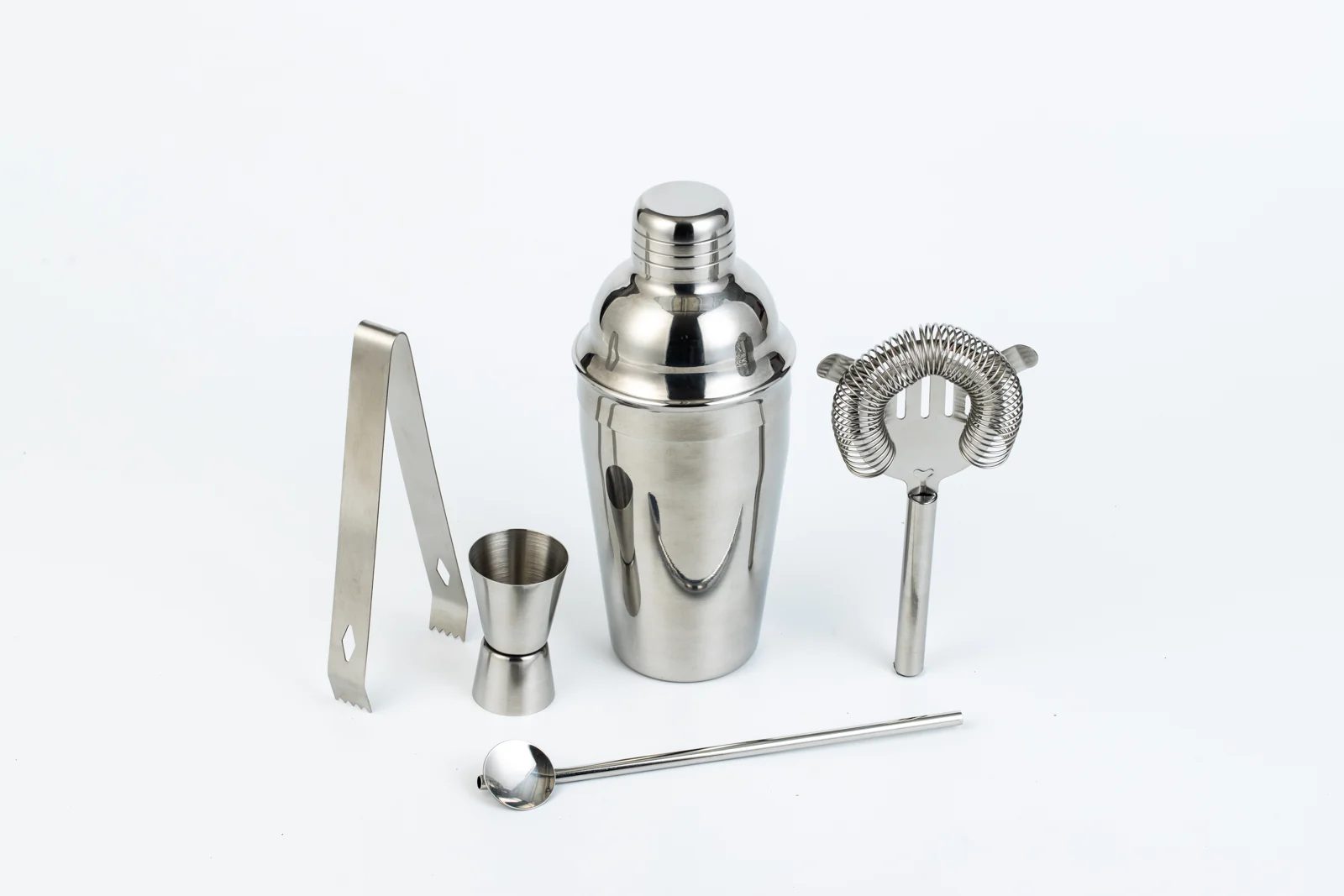
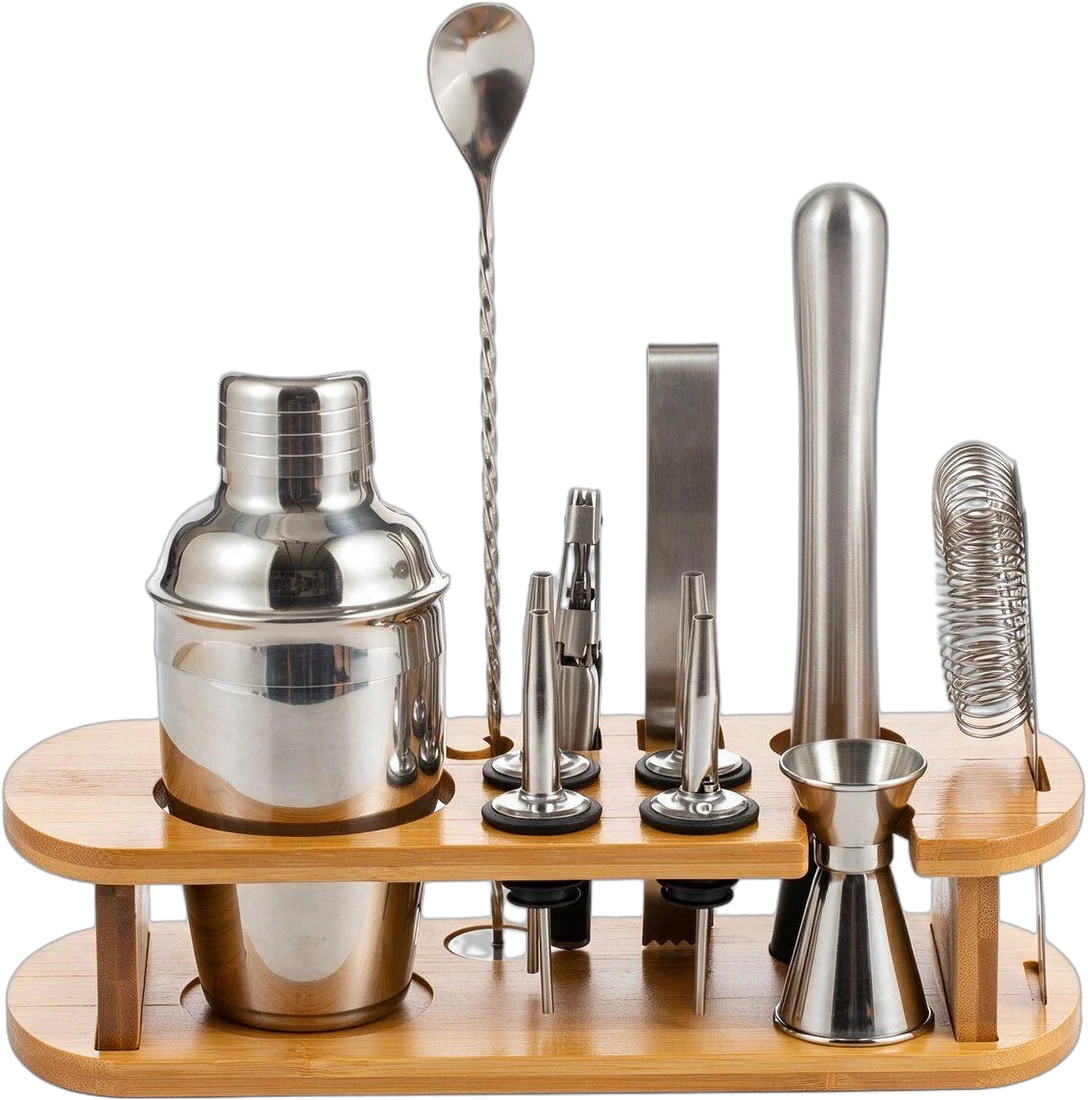
Explore the relevant collections
Discuss your product brief ↗References & further reading
References for the reported developments and supporting techniques. Trial plans and buying worksheets are original editorial suggestions.
