Recent industry trends
Dessert-inspired drinks: treat occasions need a repeatable build
Turn a dessert flavor idea into a manageable drink with separate decisions for the base, topping, garnish and guest description.
Manchen editorial team · Updated
The short answer
A dessert-inspired beverage needs a defined flavor promise and an achievable serving sequence. Start with the recognizable dessert cue, then specify the drink format and each finishing element. Test the complete serve during a limited pilot, measuring the ingredients and recording extra work before adding specialist accessories or a wider range.
Choose the dessert cue guests should recognize
Beyond the Bean’s research discussion published on 17 August 2026 highlights dessert-inspired café drinks and treat occasions. Its public survey page does not specify respondent geography or sample size, so the practical starting point is a local test of a clear flavor idea.
Write the intended association in one sentence: for example, a familiar caramel dessert expressed as an iced drink. Then identify which element carries that association. It may be aroma, a measured flavor component or a finishing detail. This avoids a development process in which several decorative additions compete without making the central idea easier to understand.
Separate the liquid build from the finish
Treat the drink base, topping and garnish as separate specification lines. Each line needs an ingredient identity, amount or portion standard, preparation owner and storage location within the venue’s procedures. A finished photograph can show the intended appearance, while the written card explains how to reach it.
Do not let a large topping hide an undefined base recipe. Taste the liquid separately during development, then assess the complete drink. The purpose is to know which component needs adjustment when the result differs. This also gives purchasing a clear task list rather than a broad request for “dessert-drink tools.”

Use an illustrative treat-drink pilot sheet
An illustrative sheet could compare a simple caramel iced drink with a more elaborate finished version. Keep the same approved base and record what the added finish changes: presentation, ingredient information, preparation action and service explanation. This comparison is a test design, not a recipe or a promise that an elaborate version commands a premium.
Ask staff to prepare both from the cards without the developer’s help. Note ambiguous instructions such as “a little topping” or “decorate nicely.” Replace them with observable portion and placement criteria that fit the ingredients. Confirm the team can repeat the result before expanding the seasonal menu.
Make the presentation usable for the guest
Check the finished serve from the guest’s position. Can it be carried comfortably, placed on the table and enjoyed with the supplied accessories? If an additional spoon or straw is needed, include it in the service card and the reset plan. Presentation should support the occasion rather than create an unexplained obstacle.
Use accurate ingredient wording where the dessert name is only an inspiration. A caramel-inspired drink may contain ingredients guests would not infer from the name. Build customer questions into the staff rehearsal and keep the current ingredient information available. This is particularly useful when seasonal toppings or purchased components change.
Retain the occasion as well as the flavor
The National Restaurant Association’s August 2026 beverage report also highlights mid-afternoon beverage-only visits in US restaurants. A venue can connect a treat drink to a defined local occasion, then check whether the offer fits its seating, preparation and handover arrangements.
Review guest descriptions, unfinished components and extra finishing work together. Decide whether to retain the simple version, the elaborate one or a revised middle ground. Save the approved build, portion standard and serving photograph as one package. That gives the next menu cycle a usable starting point instead of a seasonal idea that has to be rebuilt from memory.
Put it into practice
- Name the single dessert association the drink should express.
- Specify base, topping and garnish separately.
- Rehearse ingredient questions and guest handling.
- Compare added presentation with added work in the pilot.
Questions worth asking
Does a dessert-inspired drink need several toppings?
No. Choose the finishing elements that make the intended flavor and presentation clear. Compare a simpler serve with an elaborate one during development. If an extra component adds preparation without improving the defined experience, simplify the recipe before it becomes part of the permanent menu.
Can the same measuring tool serve liquid and topping portions?
Determine the portion method from each actual ingredient and the venue’s handling procedures. A liquid volume measure does not automatically define an appropriate portion for a solid or aerated finish. Write down the selected method and test whether staff can reproduce it with the chosen equipment.
Examples from the Manchen catalog
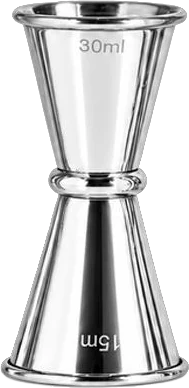
For a dessert-drink pilot, compare Manchen’s marked jigger catalog-p22-r02 and wide-bowl bar spoon catalog-p26-r07 against the liquid and finishing tasks on the recipe card. Add a fine-mesh sieve only where the approved preparation calls for it. Confirm the actual component dimensions and handling through samples before agreeing a branded collection.
Explore the relevant collections
Discuss your product brief ↗References & further reading
References for the reported developments and supporting techniques. Trial plans and buying worksheets are original editorial suggestions.
