Recent industry trends
Design a bartender workshop with a job for every tool
Use BCB’s education framework to connect an idea, a guest conversation and a practical exercise in one manageable session.
Manchen editorial team · Updated
The short answer
Build the workshop around one learning outcome and three connected activities: explain an idea, describe it to a guest, then perform a repeatable task. Choose equipment only after deciding what participants must practice. The sample session below adapts BCB’s published framework; it is an original planning exercise rather than an official BCB class.
Give the session a single outcome
In its 21 October show report, BCB describes Heads as ideas and innovation, Hearts as the human side of hospitality, and Tails as practical operational skills. The framework suggests a useful connection: technical practice becomes more meaningful when people understand its purpose and can explain it.
For an illustrative 45-minute workshop, choose one outcome: participants can read a short stirred-drink card, explain the intended experience, and perform the sequence with an agreed method. Keep the recipe deliberately simple. A session that tries to teach every classic, every tool and every presentation style will be harder to observe and improve.
Allocate time to thinking, speaking and doing
One possible timetable is five minutes for the goal, eight for a demonstration, seven for discussing the guest experience, fifteen for paired practice, and ten for feedback and a repeat. These are planning allowances, not BCB’s program timings. Adjust them after a trial with the actual group size.
During the discussion, ask participants to describe the drink without relying on specialist vocabulary. During practice, let one person build while the other reads the card and observes. Swap roles before the repeat. This gives both participants a practical task and makes unclear instructions visible without turning the session into a speed contest.
Pack the teaching tasks, not an impressive display
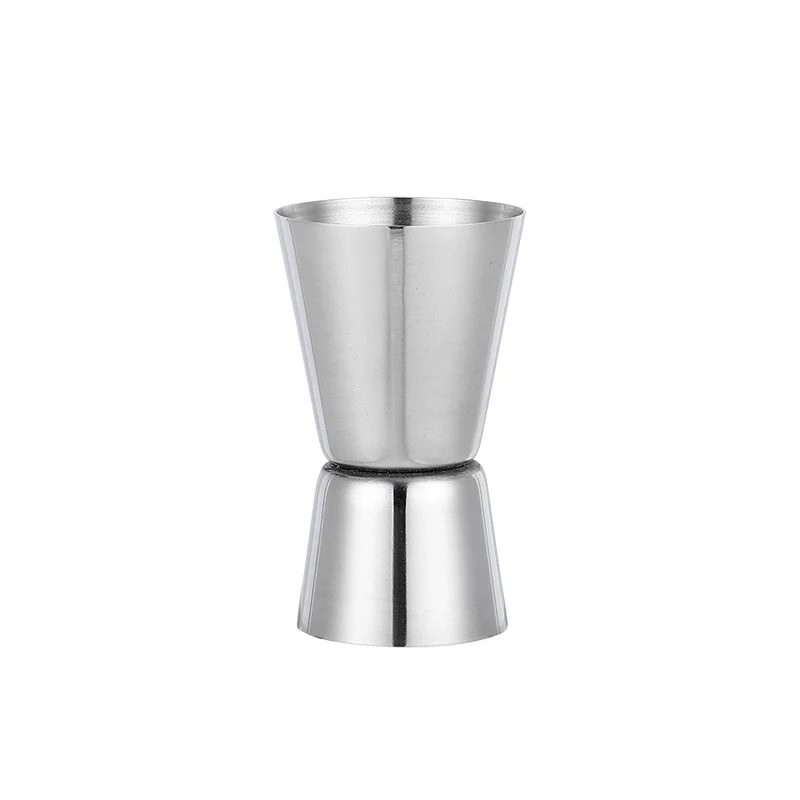
Write down which actions require individual practice and which can be demonstrated with shared equipment. If everybody must measure, access to measuring tools matters more than a large display set at the front. If only the instructor demonstrates a garnish, there may be no reason to issue that tool to every pair.
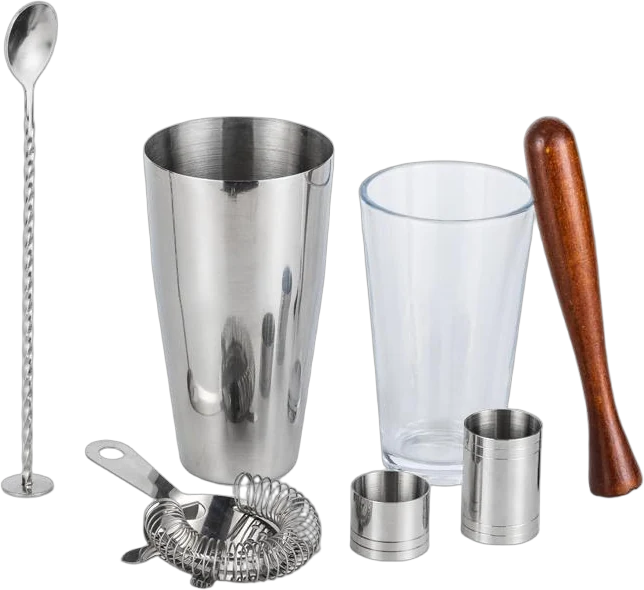
For the stirred-drink example, list the mixing vessel, spoon, measuring tool, strainer and serving vessel separately. Count complete practice positions rather than assorted pieces. Provide an appropriate route for cleaning and returning used equipment. Leave enough preparation time that the instructor can check the station before participants arrive.
Use a reference card and an observation card
The IBA’s official cocktail list is a primary reference for established drinks. If you use a classic, name the reference and record your teaching version clearly; an adaptation should not silently claim to be the official recipe. For a non-alcoholic practice, use a separately labeled training formula.
Keep the observer’s sheet shorter than the recipe. Ask whether the builder found each tool, followed the written sequence, and could explain the final serve. Add space for one missing instruction and one useful change. Judge against the agreed exercise rather than personal preferences that were never included in the learning goal.
Make the second attempt the useful part
After the first attempt, change one instruction or one station detail and repeat the same exercise. Moving the spoon to the point where it is needed, for example, may resolve a hesitation more directly than adding another accessory. Record the change so the next instructor does not have to rediscover it.
End with a compact take-home card: the learning goal, the agreed sequence, the tool list and the participant’s next practice task. For a retailer or hotel team, that document can guide a later equipment inquiry. It also preserves the connection between the tools purchased and the activity they are expected to support.
Put it into practice
- State one observable learning outcome.
- Count complete practice stations and shared demonstration items.
- Prepare a recipe reference and a short observer sheet.
- Repeat after changing one unclear step.
Questions worth asking
Can this work without serving alcohol?
Yes. Use a clearly identified practice formula suited to the skill being taught. Keep ingredient information accurate, and explain that the training liquid demonstrates the sequence rather than reproducing the taste of an alcoholic classic.
How many tool kits should I order for a class?
Base the number on simultaneous practice positions, the cleaning turnaround and the actions each participant must perform. A demonstration-only audience and a paired practical class have different needs even when the total attendance is identical.
Examples from the Manchen catalog
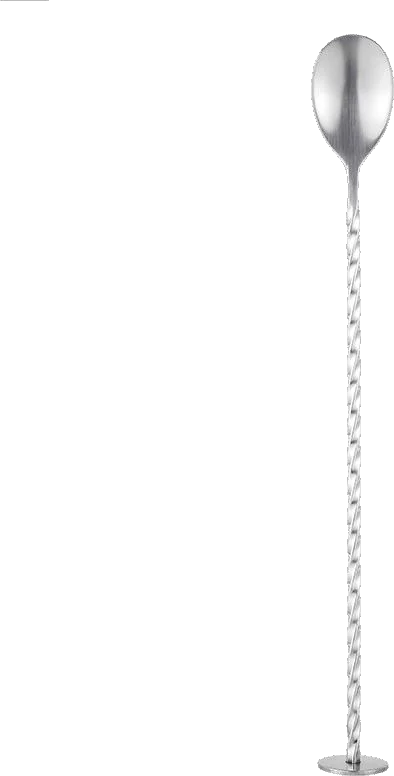
For a Manchen workshop brief, start with the mixing-glass set as a configuration reference, then list the individual jiggers and spoons each practice pair needs. Confirm the exact included components and spare quantities against your session plan before comparing a quotation.
Explore the relevant collections
Discuss your product brief ↗References & further reading
References for the reported developments and supporting techniques. Trial plans and buying worksheets are original editorial suggestions.
