Recent industry trends
Afternoon beverage-only visits: a new brief for the bar station
Treat the afternoon drink visit as its own service occasion, then test a compact menu and a clear handover between café and evening bar.
Manchen editorial team · Updated
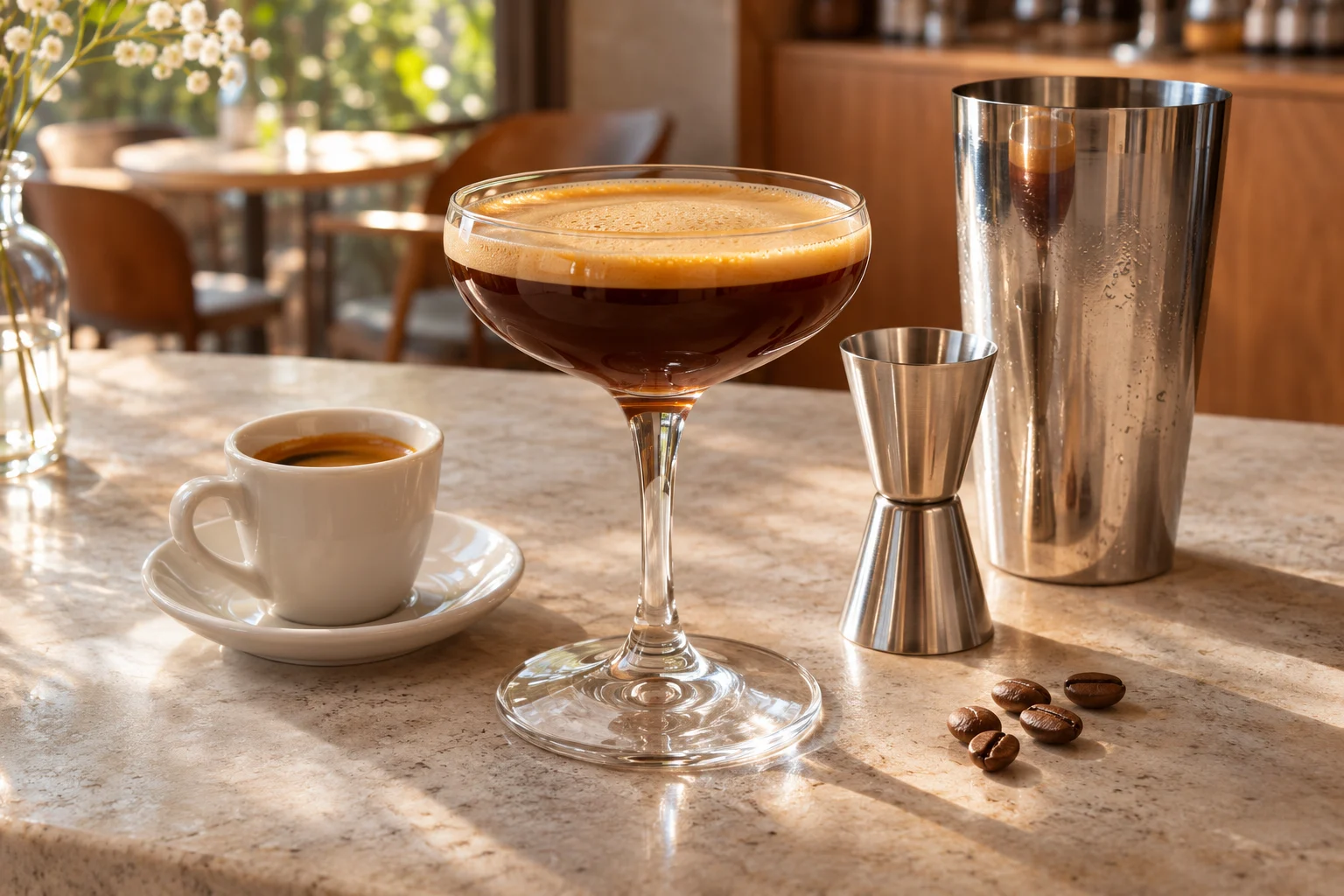
The short answer
An afternoon beverage pilot should define who serves, which drinks are available and how the station changes over. Start with a few contrasting formats that share manageable components. Record guest questions and preparation steps, then buy tools against the approved daytime workflow instead of copying the evening cocktail station.
Identify the occasion before the equipment
The National Restaurant Association’s report published on 25 August 2026 identifies mid-afternoon beverage-only occasions among younger US restaurant consumers. Treat that finding as a prompt to inspect your own quiet period: what can a guest comfortably order without also committing to a meal?
Define the intended visit in plain language. It could be a short meeting, an individual break or a casual catch-up. Then write down the service promise: where ordering happens, whether the drink is brought to the table and which items are available. This makes the pilot specific enough for staff to rehearse.
Use an illustrative three-format pilot
An illustrative pilot sheet might contain an iced coffee drink, a fruit-and-tea drink and a sparkling alcohol-free serve. For each, record the preparation location, measured components, finishing action, serving vessel and person responsible. These are menu-development examples, not a claim that this exact trio will succeed in every location.
Look for useful overlap without making every drink taste similar. One garnish may suit two recipes, while a common syrup may not. Mark components that require an extra purchase or a separate preparation step. The sheet should reveal the true work behind a menu name before launch.

Write the café-to-bar handover
A daypart transition creates decisions that a recipe alone cannot answer. Identify which prepared components remain available, which working tools change location and who checks the daytime menu has been removed or updated. Use labeled storage positions so staff do not have to discover the setup at the start of a shift.
Rehearse the handover while someone places an order. Watch for interruptions such as a shared jigger being moved, a serving glass becoming unavailable or a garnish tray being taken for evening preparation. Solve those specific conflicts with ownership and placement; add another tool only when it resolves an observed need.
Make the serve comfortable to order
Use descriptions that tell guests what the drink is, rather than assuming café and cocktail vocabulary mean the same thing to everyone. State whether it contains alcohol or coffee when the name could be ambiguous. Describe flavor and temperature, and show optional additions as explicit choices rather than unannounced defaults.
Beyond the Bean’s August 2026 research discussion also treats afternoon indulgence as a café opportunity. An operator can apply that idea through a clear treat option, while retaining a less elaborate choice. Compare the two through a staff tasting and a menu-reading exercise before deciding how many finishing accessories to stock.
Review the service as a separate shift
Collect a short note for each session: available menu, missing components, guest questions, unfinished preparation and handover issues. Count the extra tasks created by the afternoon offer as well as the orders it receives. A drink that looks simple on paper may need a dedicated preparation window, which should be visible in the review.
At the end of the pilot, choose what to keep, simplify or move to another time. Save the final service sequence and a serving photograph with each recipe. The purchasing brief can now specify actual working sets and replacement needs instead of treating a new daypart as a reason to buy a large assortment.
Put it into practice
- Define the afternoon visit and ordering route.
- Map preparation and finishing for each pilot drink.
- Rehearse an order during the daypart handover.
- Record extra work as well as guest response.
Questions worth asking
Must a daytime beverage menu include alcohol?
No. Build the pilot around the occasion and your venue’s permissions, audience and service capacity. A clearly described alcohol-free range can be a complete offer. If alcohol is included, make its availability and identity explicit rather than relying on the menu’s evening associations.
Should the afternoon menu use separate tools?
Map the simultaneous tasks first. A shared tool is practical when ownership, location and cleaning turnaround are clear. Separate working pieces become useful where an observed handover conflict or ingredient-control requirement creates a need; the daypart label alone does not decide the purchase.
Examples from the Manchen catalog
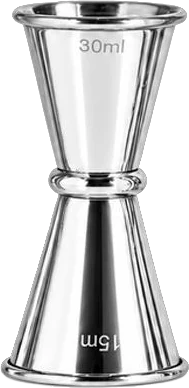
Compare a Manchen marked double jigger and twisted bar spoon with the approved daytime recipe cards. The relevant question is whether their actual measures and handling suit those tasks. Include the handover plan in a sample discussion so the selected tools can be evaluated as part of a working afternoon service.
Explore the relevant collections
Discuss your product brief ↗References & further reading
References for the reported developments and supporting techniques. Trial plans and buying worksheets are original editorial suggestions.
