Materials & care
Why stainless barware can show rust, stains or spots
Distinguish surface deposits, transferred iron and possible corrosion before choosing a cleaning action or deciding whether a tool should stay in service.
Manchen editorial team · Updated
The short answer
Stainless steel relies on a thin chromium-rich passive film, rather than immunity to every environment. Local film breakdown can cause corrosion, while deposits or transferred iron can create similar-looking marks. Inspect and record the condition before cleaning; pits or damaged food-contact areas need assessment rather than cosmetic polishing.
Why the protective film can stop protecting
A chromium-rich passive film slows stainless steel’s reaction with its surroundings. With sufficient oxygen it can reform after small surface damage, but chloride exposure or stagnant crevices can undermine protection. Rust therefore involves more than whether the metal was ever scratched. Start by noting where the mark sits and whether it wipes away: a waterline deposit, scattered orange specks and a rough pit are different observations. Photograph the area before treatment. The mechanism explains vulnerability; appearance alone cannot prove that the underlying steel is corroding.
Check for contamination introduced during cleaning
The British Stainless Steel Association explains that carbon-steel particles from ordinary steel wool or previously contaminated pads can leave rust-coloured marks. Keep stainless-tool cleaning implements separate from brushes used on ordinary steel equipment. Start with the item’s approved detergent, clean water and a soft suitable implement. If a mark remains, ask the supplier for a compatible treatment instead of escalating through household acids, metal scourers and mixed chemicals. The cure should not remove a decorative finish or create new scratches.
Review wet storage and chemical exposure
Stainless does not mean immune to every chemical. BSSA warns about chloride-containing cleaners, concentrated bleach and prolonged exposure to some salt-rich conditions. Check whether staff leave tools soaking overnight, concentrate chemicals by guesswork or stack them with trapped liquid. Change the routine rather than repeatedly removing the same stain. Foodservice sanitizing remains necessary where required, but it needs a compatible product used at the labelled concentration and contact time under the establishment’s applicable hygiene procedure.
Know when appearance is no longer the main issue
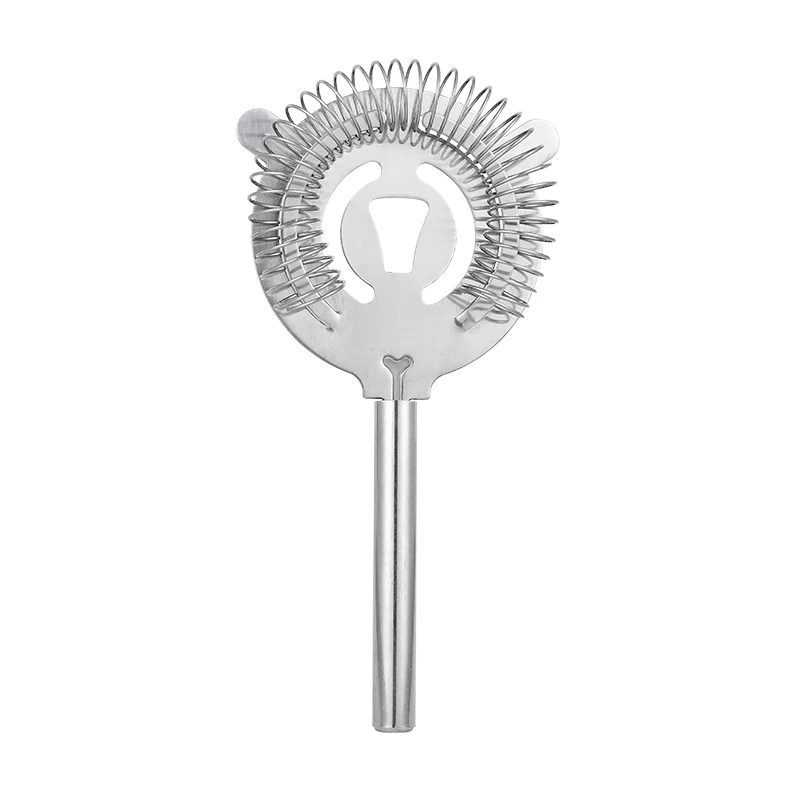
A pitted, peeling or persistently rough food-contact surface can be harder to clean effectively. Remove a questionable tool from the active station while it is assessed, and retain its reference, batch details and photographs for the supplier. Do not grind or aggressively polish a measuring edge, mating rim or coated interior simply to hide damage. Recheck the surrounding workflow, too: a damaged scoop or contaminated drying rack can undo the care taken with the main shaker.
Put it into practice
- Record where the mark appears and whether it wipes away.
- Exclude ordinary steel wool and contaminated cleaning pads.
- Assess pitting and damaged food-contact surfaces before reuse.
Questions worth asking
Does every orange mark mean the item is the wrong grade?
No. Deposits and transferred iron can resemble rust from other causes. Material identity and the reason for a surface mark require different evidence; preserve the condition and ask for an assessment.
Examples from the Manchen catalog
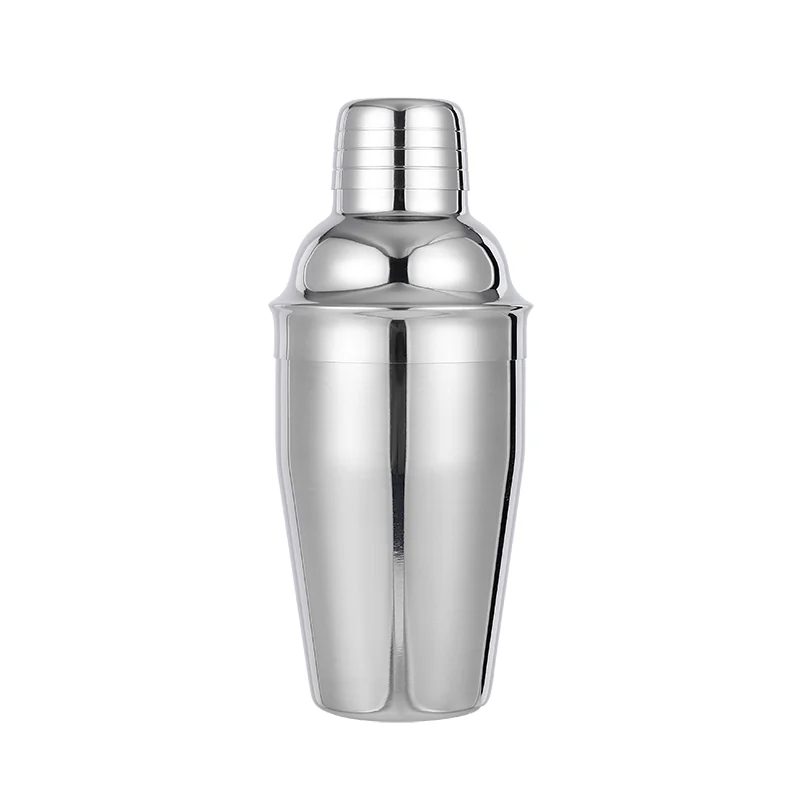
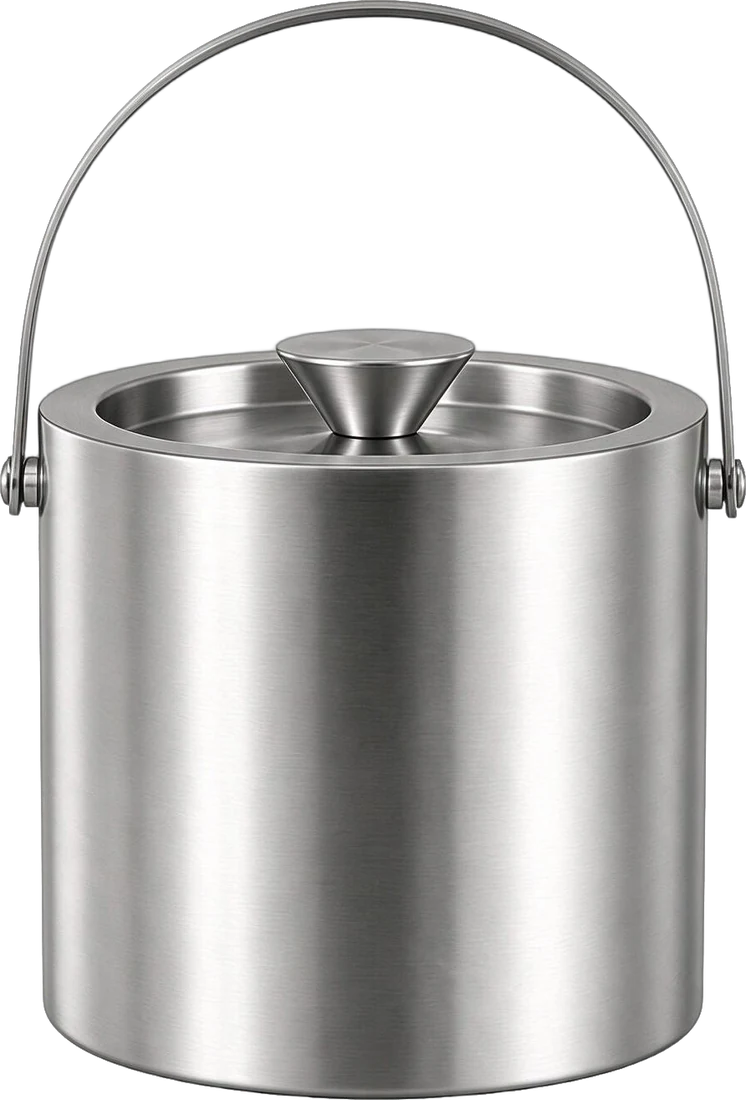
For a Manchen tool that develops an unusual mark, share the exact product reference, cleaning products, soak history and clear photographs. That information supports a useful investigation. An unrelated catalog photograph or a general stainless-steel claim cannot establish what happened to the item in your bar.
Explore the relevant collections
Discuss your product brief ↗References & further reading
These references explain general techniques and requirements. They do not establish certification or tested performance for a Manchen product.
