Private label & sourcing
Compare barware quotations without hiding the missing items
Normalize the sellable configuration, decoration, packing and delivery basis before deciding which proposal offers better value.
Manchen editorial team · Updated

The short answer
Compare quotations against one requirement sheet and list differences openly. Unit price only becomes meaningful when components, materials, finishes, branding, packaging, quantities and delivery terms are aligned. An inexpensive proposal with missing accessories or undefined transport responsibilities is not automatically an equivalent offer.
Normalize the actual selling configuration
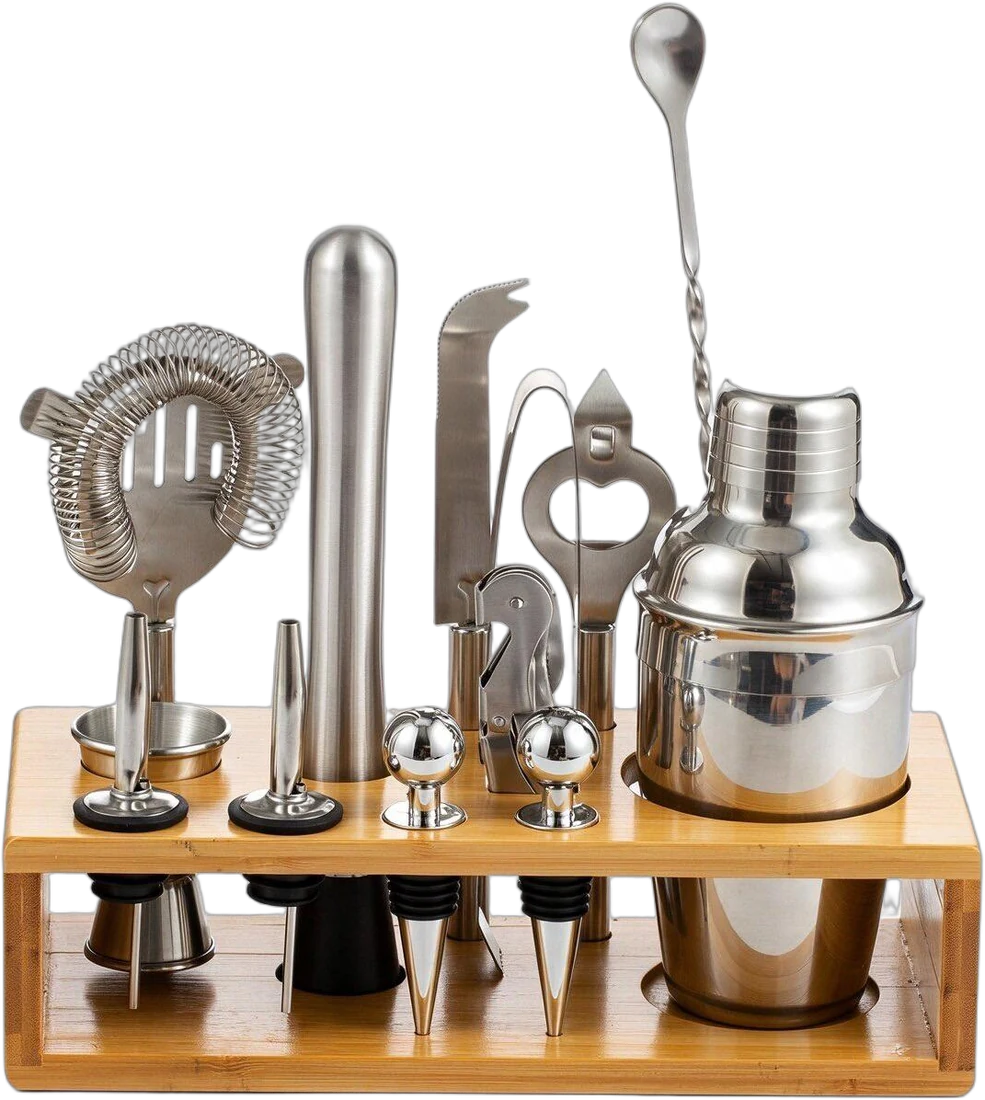
Start with the bill of materials and quantity per sellable unit. Confirm whether a shaker price includes both tins, whether a stand is supplied assembled and whether a photographed sieve or gift box is included. Keep optional pieces in separate lines. For an illustrative comparison, two twelve-piece sets might contain different numbers of picks and pourers while only one includes a spoon. Compare tasks and component quantities, not the headline piece count or a visually similar photograph.
Separate recurring cost from development cost
Ask which costs apply to every unit and which apply only to artwork setup, tooling, samples or a particular order. Record the quantity basis and any conditions attached to the quote. Do not spread an unconfirmed one-time cost across a guessed lifetime volume to make a proposal look cheaper. A useful comparison table shows the supplier’s stated charges, exclusions and assumptions, with unresolved items marked clearly instead of filled with optimistic estimates.

Specify the delivery basis with a named place
When an Incoterms rule is used, record the chosen rule, named place or port and edition. ICC’s rules allocate specified responsibilities, costs and risks between buyer and seller; they do not turn every quotation into a complete purchase contract. Clarify freight, insurance where relevant, customs responsibilities and destination charges with the parties involved. A three-letter abbreviation without a location leaves important details unresolved. Obtain appropriate professional advice for contractual or customs questions specific to the transaction.
Compare the risk of changes after the quote
Check how long the proposal remains valid and what happens when finish, quantity, logo or packing changes. Keep sample timing, production timing and transit timing in separate fields rather than treating one as the total delivery window. Ask what evidence will accompany the chosen configuration and how inspection is arranged. Record deviations from your requirement sheet so the purchase decision remains reviewable. The cheapest comparable unit price is one input, alongside usability, documentation and the reliability of the agreed scope.
Put it into practice
- Compare the same components, quantity and packing.
- Record setup costs, exclusions and validity conditions.
- Write the delivery rule, named place and edition.
Questions worth asking
Can I compare two quotes by price per piece?
Only after defining what a piece means. It could mean one tool, one complete set or one packed retail unit. Normalize the unit and the included scope first.
Examples from the Manchen catalog
Send Manchen the same component and packing brief used for your other shortlisted proposals. Ask the team to identify the offered configuration, optional items and delivery basis explicitly. This supports a fair comparison without assuming that a lower price must represent the same set, material or service scope.
Explore the relevant collections
Discuss your product brief ↗References & further reading
These references explain general techniques and requirements. They do not establish certification or tested performance for a Manchen product.
