Private label & sourcing
Golden samples and version control: prevent a good sample becoming the wrong order
Link the physical reference to drawings, finishes and packaging, then control changes after approval.
Manchen editorial team · Updated

The short answer
A golden sample is an agreed physical reference, not a guarantee that every later item will be identical in every respect. Label it with a version and configuration, state what it approves and keep it linked to written specifications. Changes need documented review rather than silent substitution.
Say exactly what the sample approves
A sample may establish shape and handling while the final logo or carton is still pending. Another may approve the finish but use temporary accessories. These are useful development steps if their limitations are visible. Attach an approval sheet listing component versions, materials to be confirmed, artwork status and packing status. Avoid writing “approved” across the whole project when only one appearance question was answered. The approval scope should be understandable to a person who never attended the sample meeting.
Give the object an identity that travels with it
Label the sample with the project, configuration, revision and approval date without damaging the surfaces being evaluated. Photograph the sample alongside its identifier, including details not obvious in a front view. If buyer, factory and inspection agency hold separate references, confirm that they represent the same release. Keep storage conditions suitable so corrosion, fading or handling damage does not turn the reference into an inaccurate appearance standard months later.
Control the change that seems too small to matter
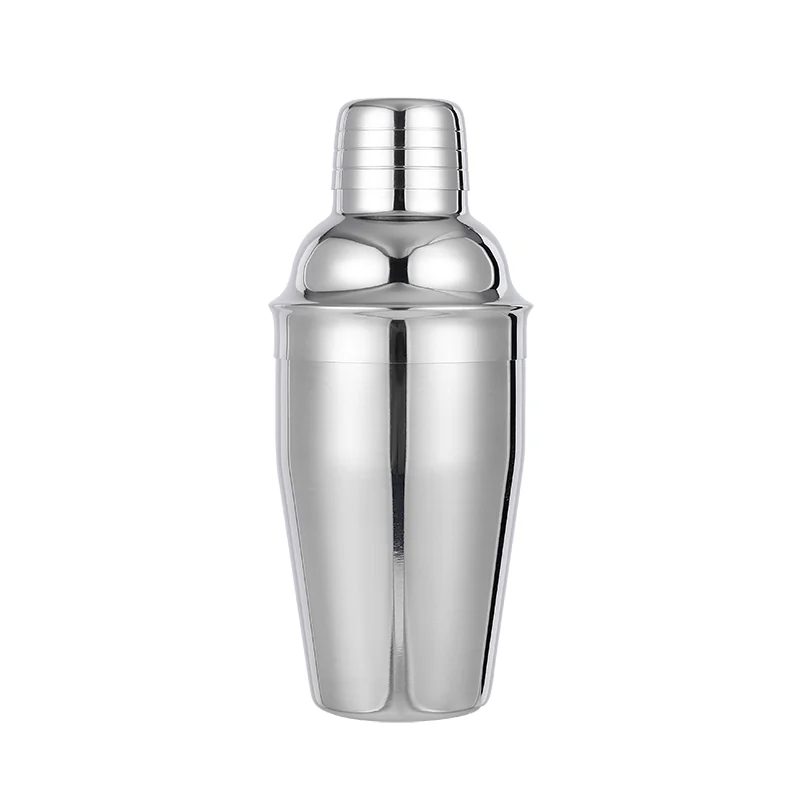
A slightly different spoon, replacement coating route or revised insert may affect usability, appearance or documentation. Record who requested the change, which files and components it affects and which checks must be repeated. A change can be acceptable without restarting the whole project, but that decision should be explicit. Send a marked change summary rather than replacing a file with another of the same name and assuming everyone will notice what changed.
Use the sample beside measurable criteria
A reference helps with appearance and handling, while written dimensions, capacity checks and defect criteria define decisions that cannot be judged reliably by memory. Compare production items using the agreed lighting, viewing approach and functional procedure. Record deviations and dispositions so an inspector is not forced to invent acceptable differences on the day. Keep shipment acceptance separate from sample approval: a good reference does not prove that the shipped lot follows it.
Put it into practice
- Label the physical sample and its approval scope.
- Keep matching references with every reviewing party.
- Document changes and shipment acceptance separately.
Questions worth asking
Does signing the golden sample approve the whole shipment?
No. It approves the stated reference and scope. Production and shipment checks still need to follow the agreed specification, inspection plan and order terms.
Examples from the Manchen catalog
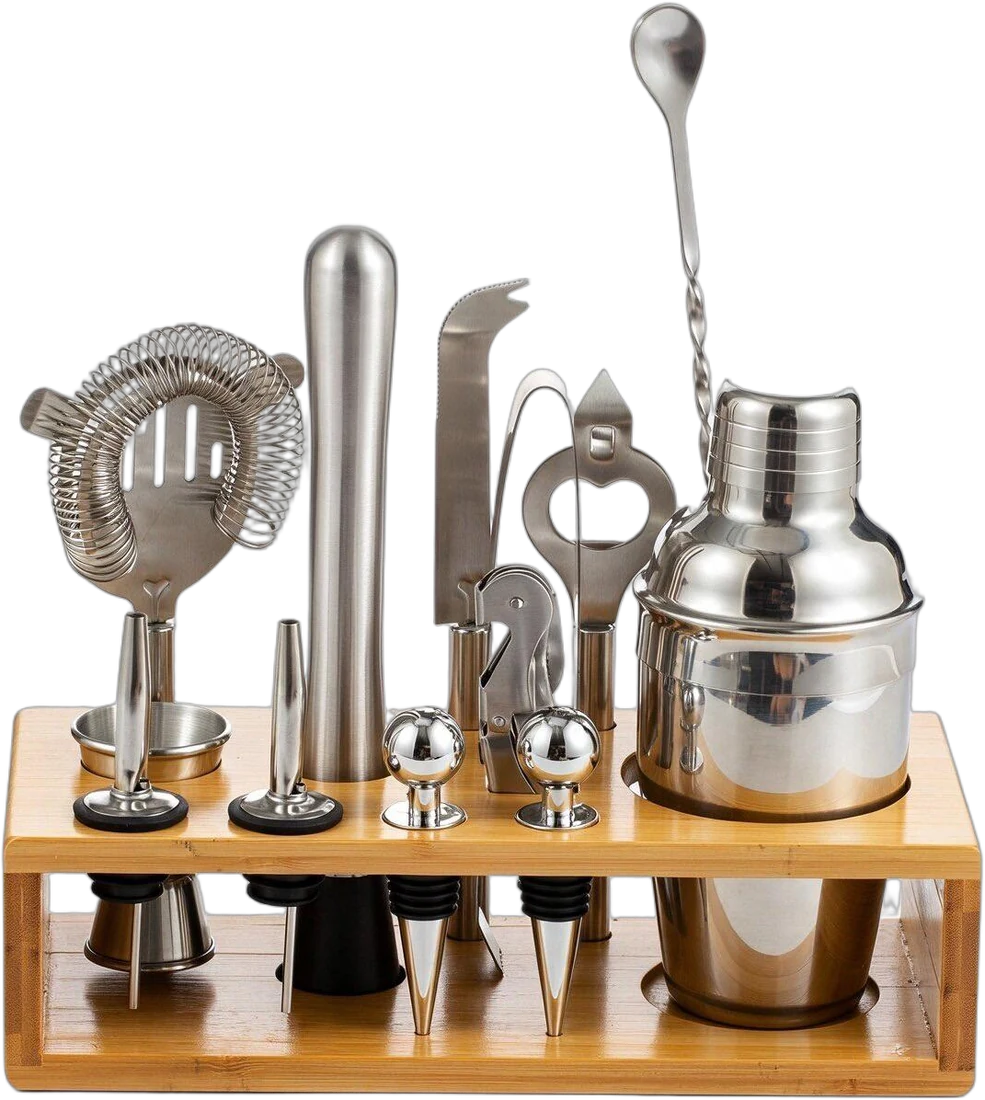
For a Manchen private-label set, link the selected catalog reference to the confirmed component list and the physical sample identifier. Ask the team to record any later accessory, finish or packaging changes against that release. This gives repeat orders a clear starting point without assuming that an old photograph is sufficient.
Explore the relevant collections
Discuss your product brief ↗References & further reading
These references explain general techniques and requirements. They do not establish certification or tested performance for a Manchen product.
